

EN
Alice Strings News
News

Everything You Should Know about a 4-String Banjo

Release time: 2022-06-29
Views: 3455
Share : icon-n1 icon-n2 icon-n3


The 4-string banjo is an excellent beginning instrument for anyone interested in finger picking and the classic Dixieland sound known throughout the United States. These have excellent, bright sounds offering a ton of versatility that you can tune in many different ways similar to instruments like a mandolin, guitar, or ukulele.

You’ll find a lot of traditional jazz, Irish, seafarer, and hymnal music appropriate for a 4-string guitar, like:

-Old Rugged Cross
-Amazing Grace
-Cripple Creek
-Salty Dog Blues
-Wildwood Flower
-Camptown Races

There are also modern applications like Southern Man by Neil Young or artists like Led Zeppelin. Simply put, you can enjoy many fun music pieces and styles when you pick up a 4-string banjo.


What is a 4-String Banjo?


The 4-string banjo tends to have one short drone string and ranges in length between 26 and 28 inches. It does have around 17-22 frets, but it is considered one of the more accessible instruments to play because the 4 strings are more straightforward compared to 5 or even 6-string banjo versions.

There are two well-known types of 4-string banjos known as:

1. Tenor Banjo: This 4-string banjo is tuned in the same way a viola or an     octave above a cello would be tuned using CGDA as a guideline. It has a     shorter neck, resulting in a higher pitch that helps the instrument sound     rise above ensemble pieces.

2. Plectrum Banjo: This actually started as a 5-string banjo until the fifth     string was removed to enable strumming with a plectrum. You use the same     tuning CGBD but on a longer instrument resulting in lower tone capability     and not as much fingerpicking.

How to Tune the 4-String Banjo?

Tuning a 4-string banjo depends on the type of music and style you wish to play. If you are sticking to classical pieces, you will use a different tune structure than a Dixieland or jazz song. The three most popular patterns are:

1. CGDA - this is considered standard     tuning for a tenor banjo and matches how you tune a viola.
2. GDAE - this is more of a classical     feel similar to a fiddle.
3. DGBE - this is more towards a     guitar with fuller chord sounds.

To tune a banjo, you can use another instrument as your lead. This is usually a lead guitar or piano in a band that everyone tunes so that the entire piece sounds right, even if you shift into different keys together.

You can also use an electronic tuner tool that often includes a few other accessories for maintenance. Most people in the modern era use an online tuning resource or mobile app to quickly tune their 4-string banjos until they have the tone quality memorized.


What Type of Banjo to Purchase?

Even though a 4-string banjo is relatively easy to learn, they do get on the pricier side. People see videos and movies with incredibly nimble and fast-playing musicians that make them nervous about whether or not they will learn. This causes many of the banjo-playing population to start with a used instrument.

While that can certainly save you a few dollars, it means you will need to learn how to restring your instrument. When getting a used banjo, you are suggested to buy the best banjo strings available on the market to replace the old and loose ones.

Whether you want a tenor or plectrum banjo, check out your local music shop, online message boards, social media, and local high school. There is a great chance that you can find a quality instrument for a lot less price than a brand-new purchase.
Where to Find Quality Banjo Strings

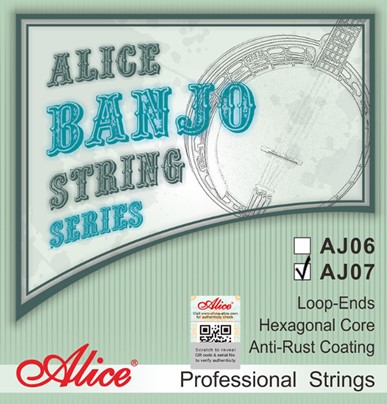
Alice offers a superior set of 4-string banjo strings with the AJ07. These are plated steel plain strings with phosphor bronze winding and an anti-rust coating that provide the versatility and warm, bright timbre of a classic banjo. With only a little wiping down from a microfiber cloth, you too can enjoy the classic sounds of a beautiful banjo in your home and performance space.

Since 1999,Alice has been a manufacturer of high-quality strings for all kinds of instruments, including the 4-string banjo. With robust research & development branch and a commitment to exceptional quality involving string processing and coating, we are sure that you will find the best possible banjo strings for your new acquisition here.

We can offer you various unique strings, and you can visit our website to find the proofs. You’ll be easily able to outfit your guitar, bass, acoustic, and 4-string banjo with durable and well-performed strings and other accessories.


Relate News

Extend the Lifespan of Your Guitar Strings

How to Extend the Lifespan of Your Guitar Strings

This guide explains practical methods to extend the lifespan of your guitar strings, common mistakes to avoid, and why Alice Guitar Strings are designed for long-lasting performance.
guitar strings guide

How Guitar Strings Impact Tuning Stability

Discover how material, gauge, and winding impact your guitar's tuning stability. Learn expert tips for string maintenance and why Alice Guitar Strings are the top choice for consistent performance. Read our full guide to stay in tune longer!
Guitalele Strings

Guitalele Strings: Common Mistakes and Selection Tips

This guide explains the most frequent guitalele string mistakes, how to avoid them, and tips for selecting the right strings, including why Alice Guitalele Strings are trusted by learners and performers alike.
Guitar Strings, String Gauge

How String Gauge Affects Guitar Tone and Comfort

The gauge, or thickness, of guitar strings is one of the most important factors influencing both tone and playing comfort. Whether you play acoustic, classical, or electric guitar, understanding string gauge helps you choose strings that match your style, skill level, and musical goals.
Guitar Strings

How to Choose the Right Guitar Strings for Beginners

Alice Guitar Strings are developed through years of focused string manufacturing experience, with strict control over material selection, winding consistency, and tension balance. Instead of chasing short-term trends, Alice emphasizes stable tone, comfortable playability, and predictable performance—qualities that matter most to beginners and advancing players.
Guitar Strings

How to Clean Guitar Strings Without Damaging Them

Guitar strings are the heart of your instrument’s sound. They not only produce tone but also directly influence playability and feel. Over time, however, strings can accumulate dirt, sweat, oils, and other debris that dull their tone and shorten their lifespan. Cleaning your guitar strings regularly is essential for maintaining consistent performance and prolonging their life. In this guide, we’ll explore safe and effective ways to clean guitar strings without damaging them, ensuring that your guitar always sounds its best.
Guitar String

Common Guitar String Problems and How to Fix Them

Whether you’re a beginner learning your first chords or a touring professional playing night after night, guitar strings are the heart of your tone. But even the best strings can run into problems — from tuning instability to premature breakage. Understanding the most common guitar string issues and knowing how to fix them can keep your instrument sounding its best and help you avoid unnecessary frustration.
guitar strings

Why Your Guitar Strings Keep Breaking (and How to Prevent It)

Discover why guitar strings break and how to prevent it. Learn expert tips from Alice, a leading guitar strings manufacturer and OEM provider.
Acoustic Guitar String

A Beginner’s Guide to Acoustic Guitar Strings

(Everything You Need to Know Before Changing Your First Set) When you first start playing the acoustic guitar, strings may seem like a small detail — but in reality, they’re one of the most critical factors shaping your tone, comfort, and overall playing experience. Choosing the right acoustic guitar strings can make your instrument sound brighter, fuller, and more expressive, while also helping you develop proper technique.
Alice guitar accessories

How to Source High-Quality Guitar Strings: A Complete Buyer’s Guide

As one of the world’s leading guitar strings manufacturer and guitar accessories suppliers, Alice combines decades of expertise with cutting-edge technology to produce strings that meet the highest professional standards. From classical nylon to electric steel and acoustic bronze, Alice Guitar Strings deliver unmatched tone, durability, and playability for musicians of all levels.
acoustic guitar string types

Phosphor Bronze Strings vs. 80/20 Bronze Strings: Which Should You Choose?

When it comes to acoustic guitar strings, two of the most popular choices are phosphor bronze and 80/20 bronze. Both are widely used by guitarists around the world, but they differ in composition, tonal characteristics, durability, and playing applications.
Alice ACU108 Nylon Guitalele Strings

What is the Difference Between Guitar Strings and Guitalele Strings?

While the guitar and guitalele share many similarities, their strings are designed for different purposes. Guitar strings come in nylon, steel, or coated varieties and provide a wide tonal palette suitable for diverse genres. Guitalele strings, usually nylon-based, are tailored for higher tuning, lower tension, and the hybrid sound of this compact instrument.
Leave A Message