

How Bass Strings Are Made: Inside the Manufacturing Process
Learn how bass strings are made, from material selection and precision winding to quality control and packaging, with insights into OEM manufacturing.




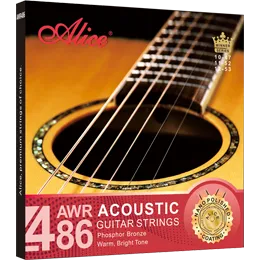
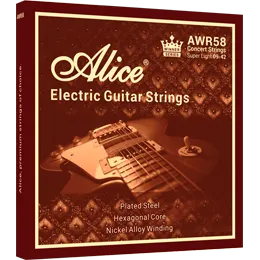
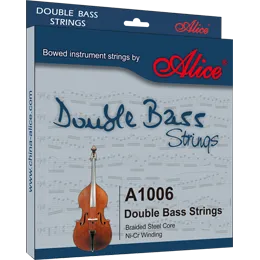
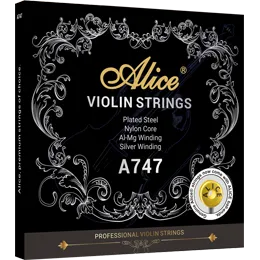
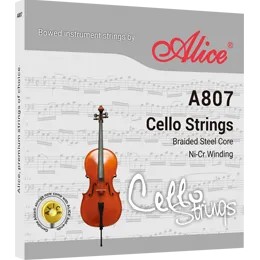
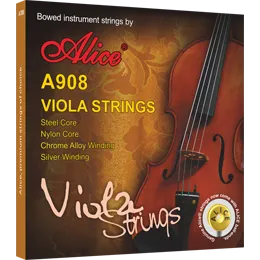
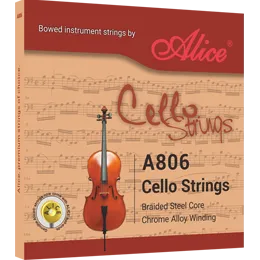


In the world of traditional and folk music, the choice of strings on your instrument is not merely a technical decision—it’s an artistic one. Whether you're playing a Chinese guzheng, a Western acoustic guitar, a pipa, or even an adapted folk arrangement on classical guitar, the type of string you use significantly affects tone, comfort, expression, and the cultural authenticity of your performance.
Among the many string options available, three dominate discussions around traditional and acoustic instruments: silk strings, steel strings, and nylon strings. Each has unique characteristics, strengths, and limitations. But which one is truly best for your playing style, musical tradition, and personal preference?
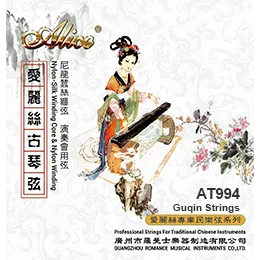
Silk strings—traditionally made from real silk or now often silk-wrapped cores with metal windings—are renowned for their gentle, warm tone and lower tension. These strings are most famously used on ancient and traditional Chinese instruments such as the guqin, guzheng, or early versions of the pipa.
Warm, mellow, and rounded sound
Lower volume but with expressive dynamics
Extremely smooth under the fingers, suitable for subtle finger slides and ornaments
Traditional East Asian music
Meditative, poetic, or solo performance settings
Historical reenactments or period-accurate performances
Authentic traditional sound
Less finger fatigue due to low tension
Excellent for delicate ornamentation
Less projection compared to steel strings
Sensitive to humidity and wear
Often more expensive and harder to source
If you're performing historically-informed traditional music or want a gentle, expressive tone, silk strings may be the perfect choice. They won’t overpower, but they invite introspection and nuance—a beautiful complement to ancient melodies.
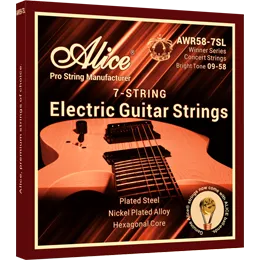
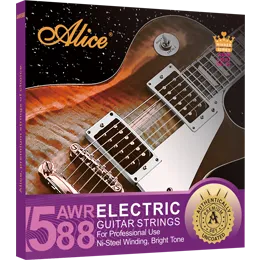
Steel strings are commonly found on modern acoustic guitars, mandolins, and even adapted Chinese instruments with Western string systems. They offer brightness, projection, and the kind of tension that supports fast, articulate playing.
Bright, crisp, and penetrating sound
High volume and excellent sustain
Higher tension provides stronger attack and better projection
Modern folk, bluegrass, and fusion styles
Outdoor or ensemble performances where projection matters
Players needing a more “modern” edge to traditional music
Excellent clarity and power
Works well with dynamic playing and rhythmic patterns
Easily available in many brands and gauges
Can be harsh on fingers, especially for beginners
Less subtlety in dynamics compared to silk or nylon
Might overpower soft vocals or delicate arrangements
Steel strings are your ally if your traditional music performance leans toward energy, rhythm, and clarity. Whether you’re strumming lively folk songs or playing modern interpretations of heritage music, steel provides cut-through tone and stability.
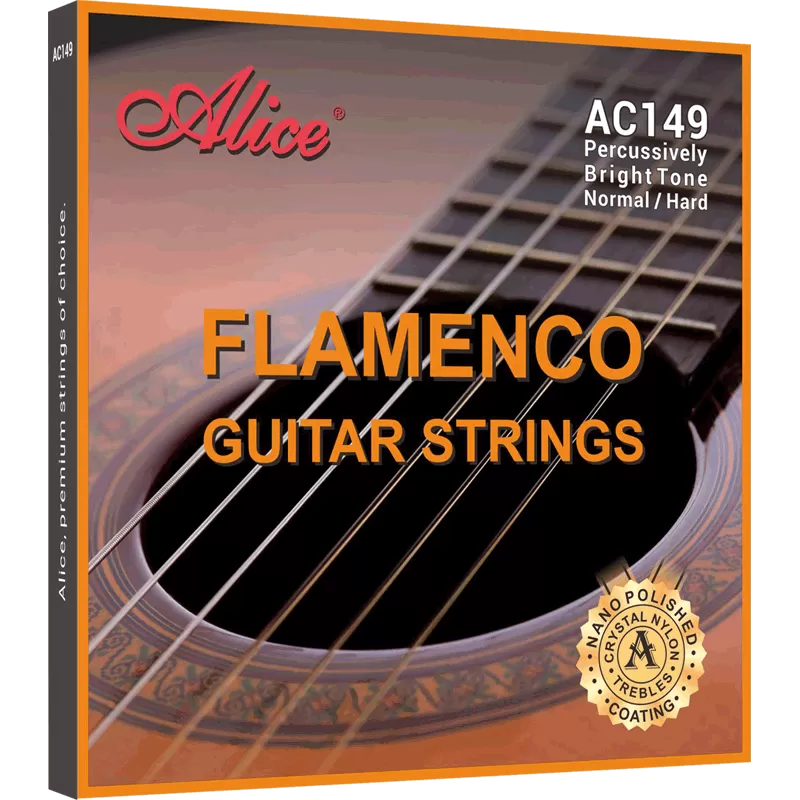
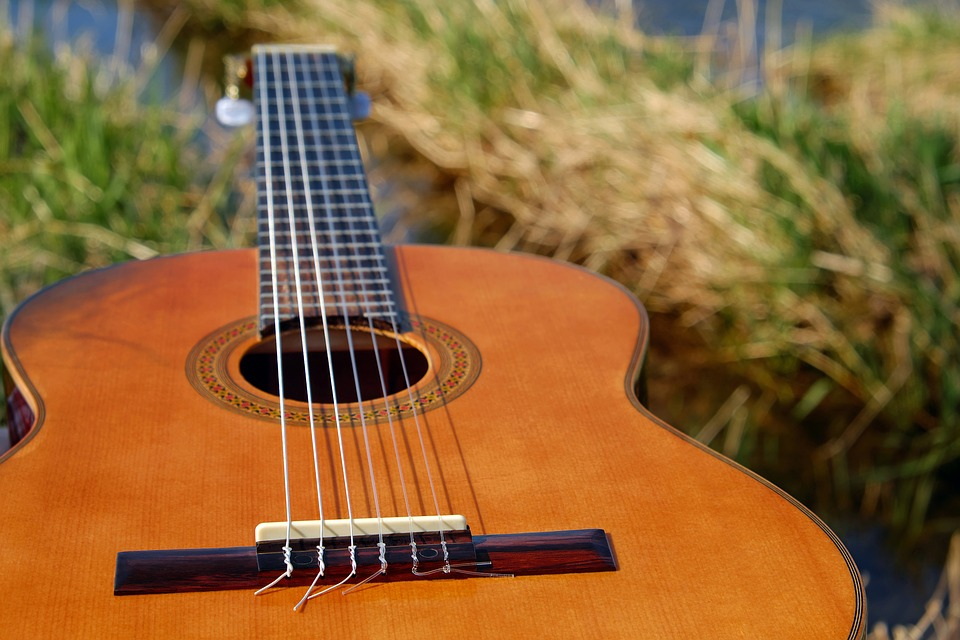
Nylon strings, originally developed to replace gut strings on classical guitars, have found a place in many world and folk music traditions. They are now a mainstay on classical guitars, flamenco guitars, and certain hybrid instruments used for modern folk or world music.
Warm, smooth, and rounded tone
Balanced between silk’s softness and steel’s brightness
Softer under the fingers with medium-low tension
Classical and Latin folk music
Adapted traditional music for classical guitar
Players who prioritize comfort and tonal warmth
Great for fingerstyle and expressive melodies
Widely available and affordable
Easy on the fingers—ideal for long playing sessions
Less brightness and projection than steel
Some players find it too muted for ensemble use
Sensitive to tuning fluctuations with temperature
Nylon strings are a great middle ground—perfect for players transitioning between styles or adapting traditional music to modern settings. If you play in solo settings or small groups and want rich tone with comfort, nylon strings won’t disappoint.
Music Style | Best String Type |
Traditional Chinese music (guqin, guzheng) | Silk (or synthetic silk alternatives) |
Western folk or bluegrass | Steel |
Classical guitar adaptations of folk music | Nylon |
Contemporary fusion of East and West | Nylon or Steel |
Intimate solo performance | Silk or Nylon |
Outdoor or amplified settings | Steel |
Tip: Always match the instrument’s build and tension tolerance to the string type. Some older or traditional instruments may not handle the tension of steel strings.
Your choice of strings should reflect not only the genre you play but also your technique, expression style, and audience setting. Silk strings whisper with history. Steel strings shout with confidence. Nylon strings sing with balance and warmth.
Try them all if you can. Feel how each responds to your fingers and your musical voice. Let the tone speak to you, and you’ll soon know which is right for your own interpretation of folk and traditional music.
Brought to you by Alice Strings — a trusted name in string craftsmanship offering a full range of silk, steel, and nylon strings for traditional and modern players alike. Whether you’re performing a centuries-old melody or writing new ones, Alice has the strings to bring your music to life.