Classical Guitar Strings: Normal vs High Tension Comparison
Classical guitar strings may look similar at first glance, but string tension has a significant impact on tone, volume, playability, and even long-term guitar health. Among nylon strings, normal tension and high tension are the two most common options. Choosing the right tension can dramatically affect your playing experience.
This guide explains the differences between normal tension vs high tension classical guitar strings, how each performs, and how to select the right one based on skill level, playing style, and musical goals.
Understanding String Tension
String tension refers to how much pulling force a string exerts when tuned to pitch. Classical guitars use nylon or composite trebles and silver-plated copper wound basses, making tension differences highly noticeable in feel and response.
Normal tension = softer feel, easier fretting
High tension = firmer feel, greater resistance
Even small changes in tension influence tone, projection, and finger comfort.
Normal Tension Classical Guitar Strings
Normal tension strings are often recommended for beginners and many intermediate players.
Characteristics:
Softer, more flexible feel under the fingers
Warm, balanced tone
Easier fretting and reduced finger fatigue
Lower stress on the guitar top
Best For:
Beginners and students
Fingerstyle and classical repertoire
Long practice sessions
Vintage or lightly-braced guitars
Normal tension strings allow players to focus on technique, dynamics, and tone control without overloading the fingers or the instrument.
High Tension Classical Guitar Strings
High tension strings are firmer and provide a different tonal response.
Characteristics:
Higher resistance under the fingers
Increased volume and projection
Clearer note definition and stronger bass attack
Slightly higher stress on the guitar top
Best For:
Advanced or professional players
Concert performance or recording
Flamenco or modern classical styles
Players seeking more projection and sharper articulation
High tension strings reward precise technique but may feel demanding for beginners or long practice sessions.
Normal vs High Tension: Side-by-Side Comparison
Feature | Normal Tension | High Tension |
Playing Feel | Soft, forgiving | Firm, more resistant |
Finger Fatigue | Low | Higher |
Volume | Moderate | Louder, more projecting |
Tone | Warm, rounded | Focused, defined |
Guitar Stress | Low | Higher |
Skill Level | Beginner–Intermediate | Intermediate–Advanced |
How Tension Affects Tone and Playability
Normal tension allows greater string vibration, producing a warmer tone and smoother response.
High tension increases string stability, improving clarity, sustain, and projection but requiring more finger strength.
Players sensitive to finger comfort usually prefer normal tension, while performers needing projection in large spaces or recordings often choose high tension.
Can High Tension Strings Damage a Classical Guitar?
On modern, well-built classical guitars, high tension strings are generally safe. However:
Older or lightly-braced guitars may not withstand prolonged high tension
Sustained high tension can increase stress on the soundboard
If uncertain, start with normal tension or consult the guitar manufacturer.
Choosing the Right Tension by Playing Style
Beginners & Students: Normal tension
Fingerstyle & Classical Repertoire: Normal or mixed tension
Flamenco & Stage Performance: High tension
Recording: Normal tension for warmth; high tension for clarity
Some players even mix tensions—normal trebles with high-tension basses—for a customized response.
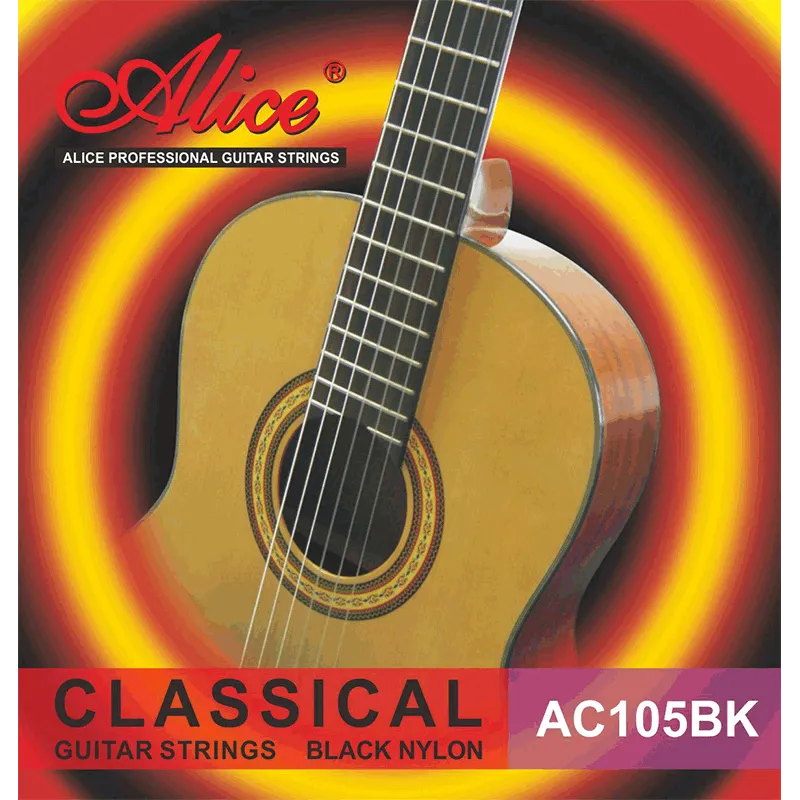
Why Choose Alice Classical Guitar Strings?
Alice Classical Guitar Strings are engineered with precise tension calibration, ensuring consistent feel, reliable intonation, and stable tone across normal and high tension sets.
Key advantages:
Stable tuning and controlled string stretch
Smooth nylon trebles with balanced attack
Even-wound bass strings for clear projection
Trusted by students, educators, and performers, Alice strings provide dependable tone and comfortable playability across all skill levels and musical styles.
➡ Explore Alice Classical Guitar Strings
➡ View the full Guitar Strings collection
Conclusion
There is no universal “better” between normal and high tension classical guitar strings—only what works best for your hands, your guitar, and your music.
Normal tension: comfortable, warm, forgiving
High tension: powerful, clear, projecting
Understanding these differences allows players to make informed choices, protect their instrument, and enjoy better musical results.
Author
Written by Alice Strings Technical Team
Based on Alice’s guitar string manufacturing experience and long-term feedback from educators and beginner players.

Relate News
-
The global guitar strings market is undergoing a significant transformation in 2026, driven by evolving musical preferences, technological innovation, and shifting consumer behavior. For distributors, understanding these trends is crucial not only to stay ahead of the competition but also to identify new growth opportunities. Whether you are targeting professionals, hobbyists, or OEM partnerships, knowing where the market is heading can help you make informed sourcing and sales decisions. -
Electric Guitar Strings Explained: Gauge, Material, Tone
Choosing the right electric guitar strings is a journey of tone, comfort, and style. By understanding gauge and material, you’ll unlock the sound that best fits your music. -

What Type of Guitar Pick Is Best?
Choosing the right guitar pick may seem like a small decision, but for guitarists, it can have a surprisingly big impact on tone, technique, and overall playing experience. Picks come in a wide range of shapes, sizes, thicknesses, and materials, each designed to meet different musical needs. Whether you are a beginner learning your first chords or a professional guitarist performing on stage, understanding how different picks influence sound and playability will help you choose the one that best suits your style. -

Are Acoustic and Classical Guitar Strings the Same?
As a global brand specializing in professional guitar strings, Alice offers a complete range of acoustic and classical guitar strings tailored to different playing styles, skill levels, and performance needs. Manufactured with advanced technology and strict quality control, Alice strings deliver consistent tone, durability, and comfort—making them a reliable choice for distributors, retailers, and OEM partners worldwide. -

Acoustic Guitar Strings Guide: Types and How to Choose the Right One
And when you're ready to choose your next set, consider Alice Acoustic Guitar Strings—crafted for clarity, built to last, and trusted by guitarists around the world. Whether you're strumming under the stars or recording in the studio, Alice brings your music to life. -

From Classic Rock to Modern Indie: The Evolution of Guitar String Trends
Guitar strings may seem like a small component of the instrument, but over the decades, they’ve played a major role in shaping the sound, tone, and feel of countless musical movements. From the electrifying riffs of classic rock to the textured soundscapes of modern indie music, the trends in guitar strings have evolved alongside musical tastes, technology, and player preferences. -

What Strings Fit Your Instrument? The Ultimate Guitar String Matching Guide
Choosing the right strings for your guitar isn't just a matter of brand or price—it’s about compatibility. Your instrument has specific tonal characteristics, structural limits, and musical goals. The right strings enhance your sound, feel better under your fingers, and prolong your guitar’s life. The wrong strings, however, can dampen your tone, strain your guitar's neck, or even cause damage over time. -

What Are the Different Types of Guitar Strings?
Guitar strings may seem like a small part of your instrument, but they play a crucial role in the overall tone, playability, and performance of your guitar. Whether you're a beginner or a seasoned player, understanding the different types of guitar strings can help you make informed decisions that enhance your playing experience. -

Wholesale Guitar String Purchasing: A Practical Guide for Retailers and Distributors
In the musical accessories industry, guitar strings remain one of the most frequently sold and restocked items. Whether you run a music store, manage an e-commerce platform, or distribute to local schools and bands, purchasing guitar strings in bulk requires more than just choosing the lowest price. -

How to Choose the Right Guitar String Models for Export Markets
one string gauge or material might be popular in the U.S., a completely different specification may be in demand in Japan, Brazil, or Germany. For manufacturers and distributors, adapting to these nuances is essential to gaining market share and building lasting relationships with music retailers and players around the world. -

From Factory to Store: Guitar String Supply Chain Trends
As musicians become more conscious of quality, sustainability, and ethical sourcing, guitar string manufacturers and distributors are responding with greater transparency and innovation. -

Give Charm to Sound, Make Music Magic: Discover ALICE, the Exceptional Wholesale Guitar Strings
ALICE, as a leading manufacturer of premium-quality wholesale guitar strings, we are dedicated to providing the tools that empower musicians to create enchanting melodies and captivating harmonies.