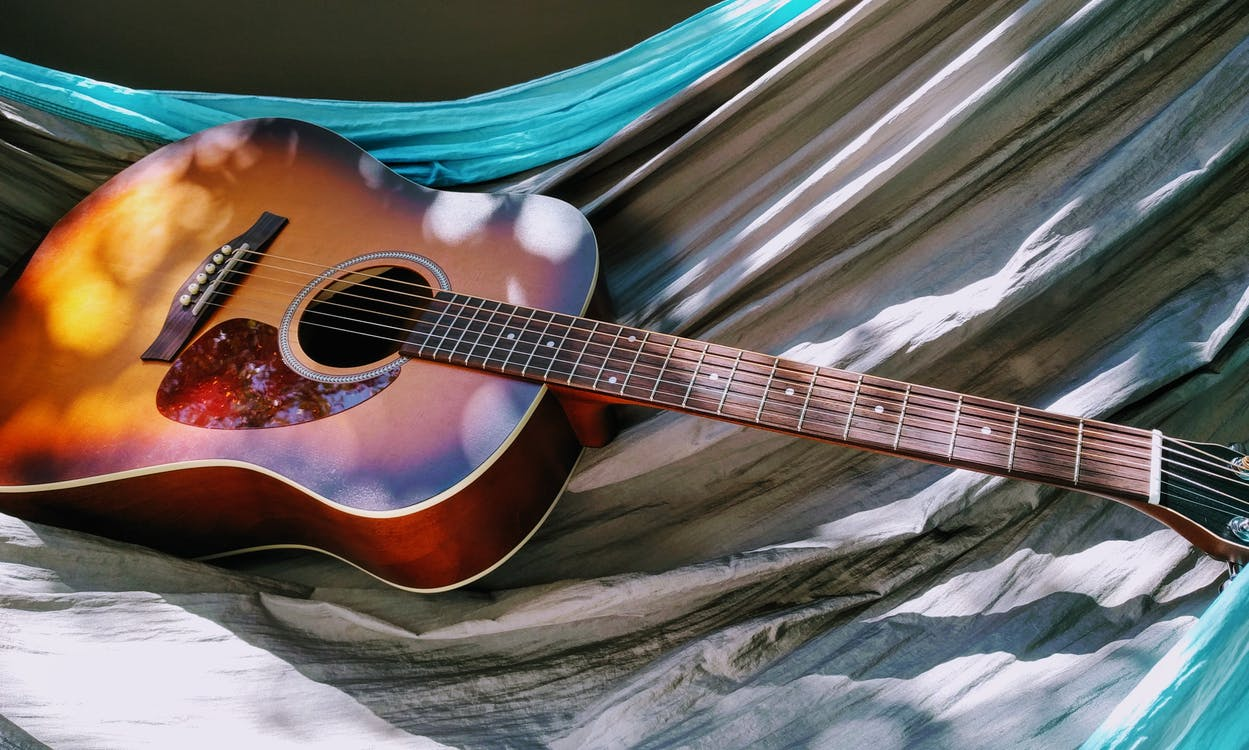
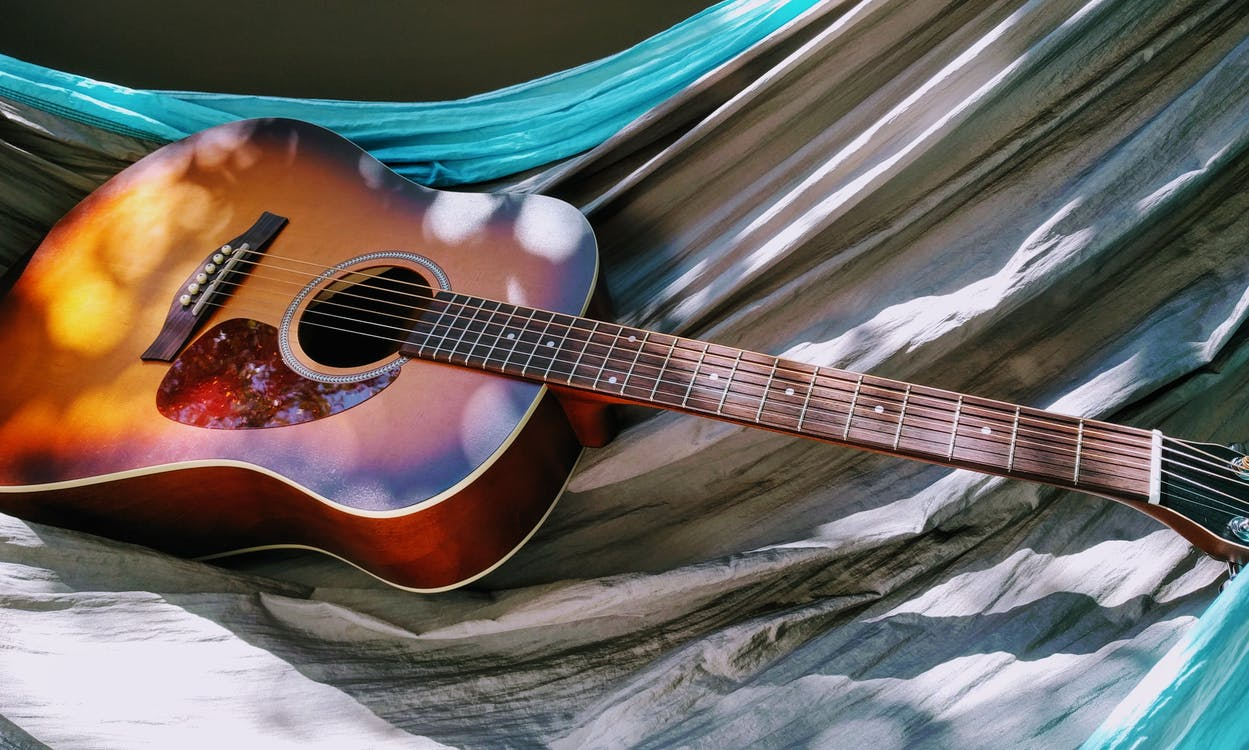
Few things are more frustrating for a guitarist than a string snapping mid-song. Whether you’re a beginner learning bends or a professional performing live, broken strings can disrupt your flow and affect your tone. Understanding why strings break and how to prevent it can save you time, money, and stress.
a. Old or Worn-Out Strings
Strings naturally lose their strength over time due to constant tension, sweat, and dirt. Old strings are more likely to snap, even under light playing.
b. Improper String Installation
Incorrect winding at the tuning peg, uneven tension, or overlapping coils can create weak points, increasing the likelihood of breakage.
c. Sharp Guitar Components
Rough bridge saddles, nut slots, or string trees can cause strings to fray and snap, especially on high-gain setups or heavy strumming.
d. Aggressive Playing Style
Frequent bends, heavy picking, or aggressive strumming can place extra stress on strings. Certain gauges are more prone to breaking under these conditions.
e. Environmental Factors
Humidity, sweat, and even temperature changes can weaken strings. Corrosion caused by moisture can make even high-quality strings snap faster.
2. How to Prevent Guitar Strings from Breaking
a. Regularly Change Your Strings
Replace strings before they become dull or corroded. For frequent players, this may mean every 1–2 months, depending on usage.
b. Proper Installation and Winding
Ensure that strings are correctly wound on tuning pegs with no overlapping coils. Maintain consistent tension and stretch strings gently after installation.
c. Smooth Bridge and Nut Slots
Polish or lubricate nut slots and bridge saddles to reduce friction. Guitar accessories like string lubricants or nut conditioners can help extend string life.
d. Choose the Right Gauge
Lighter gauge strings are easier to bend but break more easily, while heavier gauges offer durability but require more finger strength. Choose strings that suit your style and playing intensity.
e. Maintain a Clean and Dry Guitar
Wipe down strings after each session to remove sweat and oil. Store your guitar in a controlled environment to reduce corrosion and wear.
3. Additional Tips for String Longevity
Rotate playing positions slightly to avoid stressing the same points on the string repeatedly.
Consider coated strings for extended lifespan, especially if you sweat heavily while playing.
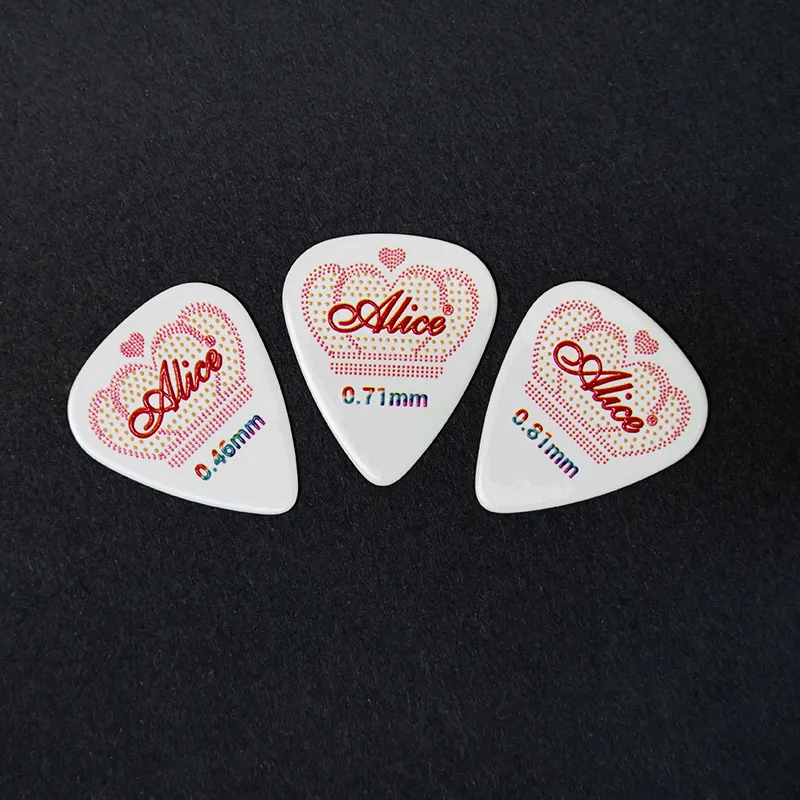
Avoid using overly rough picks or pick aggressively in ways that damage the string surface. Consider giving Alice picks a try: with their gentle bevel and resilient material, they provide a smoother contact to protect your strings, ensuring both tone and string life last longer.
Alice Guitar Strings
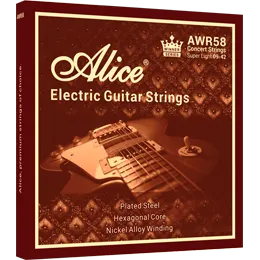
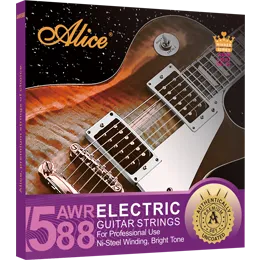
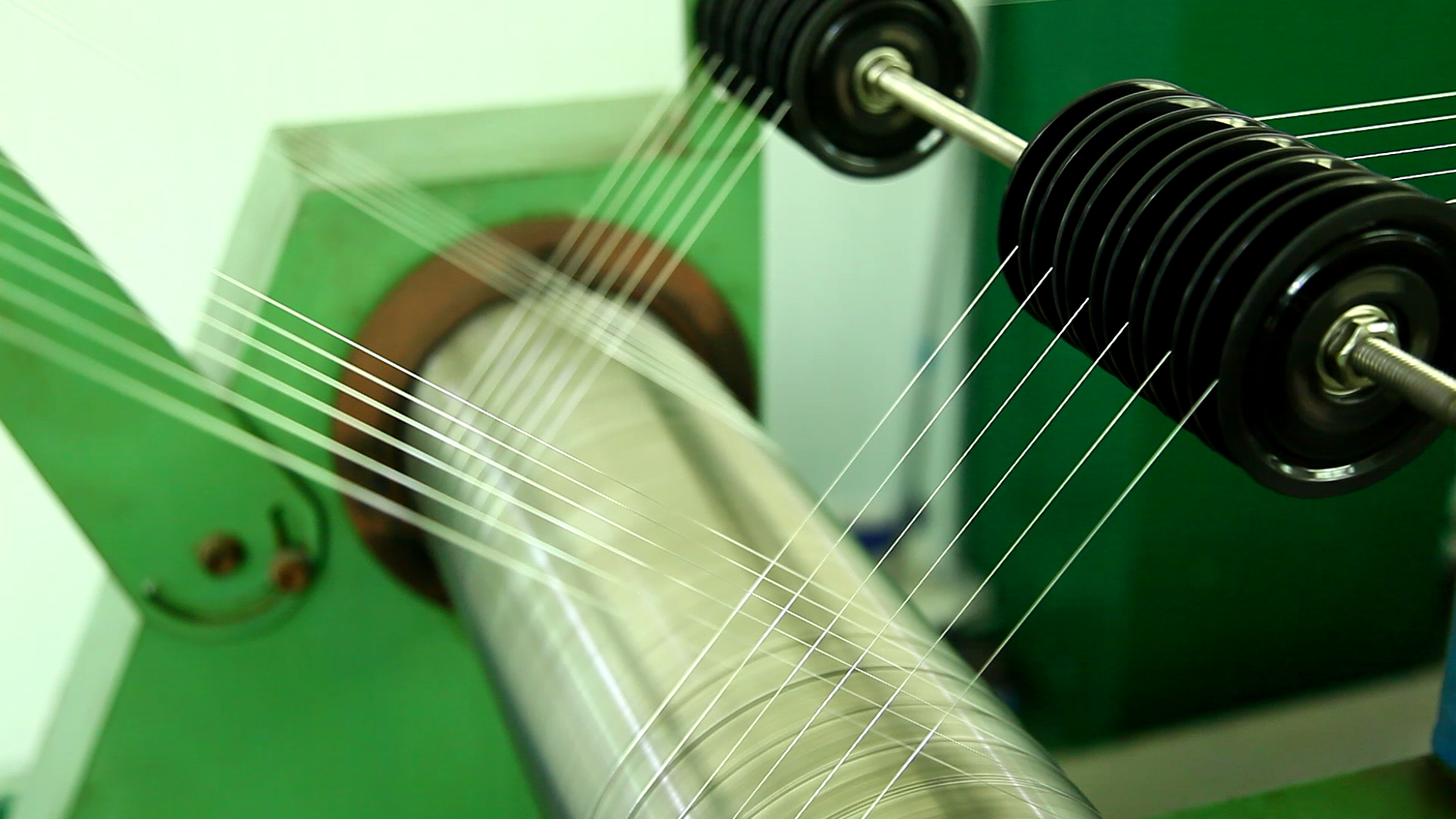
When it comes to reliable guitar strings, Alice is a global name that guitarists trust. As a professional guitar strings manufacturer and OEM provider, Alice combines decades of experience, advanced production technology, and strict quality control to create strings that excel in tone, durability, and playability.
Why Choose Alice Guitar Strings:
Founded in 1999, Alice Strings is a technology-based enterprise integrating R&D, manufacturing, and sales.
The company has a professional R&D center. Chemical, mechanical, and structural methods thoroughly test materials and finished products. In addition, we have won many industry honors, such as high-tech enterprise, ISO9001:2015 certification, and more than 50 invention patents.
Alice Strings supplies more than 2000 products, Wide range of electric, acoustic, and bass guitar strings
Premium materials including nickel-plated steel, stainless steel, and pure nickel
Hexagonal core design for stable tuning and improved sustain
Anti-rust coating for longer lifespan
Full OEM capabilities for guitar brands
Compatible with other guitar accessories for optimal performance
Whether you are a hobbyist or a professional, Alice Guitar Strings ensure consistent tone and minimize breakage. Musicians looking for high-quality strings from a trusted guitar strings manufacturer with guitar strings OEM services can rely on Alice.
Discover Alice Guitar Strings today to enhance your tone and performance.