
How Bass Strings Are Made: Inside the Manufacturing Process
Learn how bass strings are made, from material selection and precision winding to quality control and packaging, with insights into OEM manufacturing.


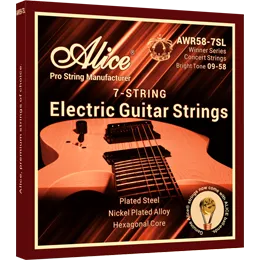
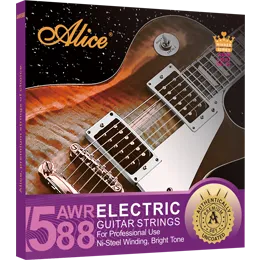
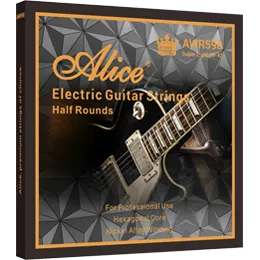

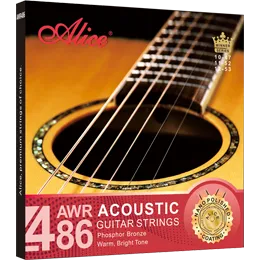
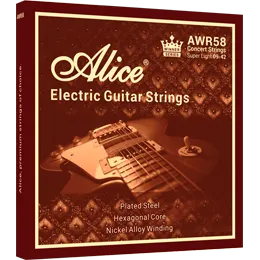




When it comes to rock and blues, your guitar strings play a major role in defining your tone and playing feel. The right set of electric guitar strings can help you get closer to your signature sound. In this guide, we’ll look at five of the best electric guitar string types for rock and blues players, focusing on tone, playability, and durability.
Nickel-plated steel strings are the most popular choice among rock and blues guitarists. They deliver a balanced sound — bright enough to cut through the mix, but with enough warmth for soulful bends and expressive vibrato.
Best for: Players who want versatility and clarity in both rhythm and lead playing.
Tone: Bright highs, defined mids, and solid lows.
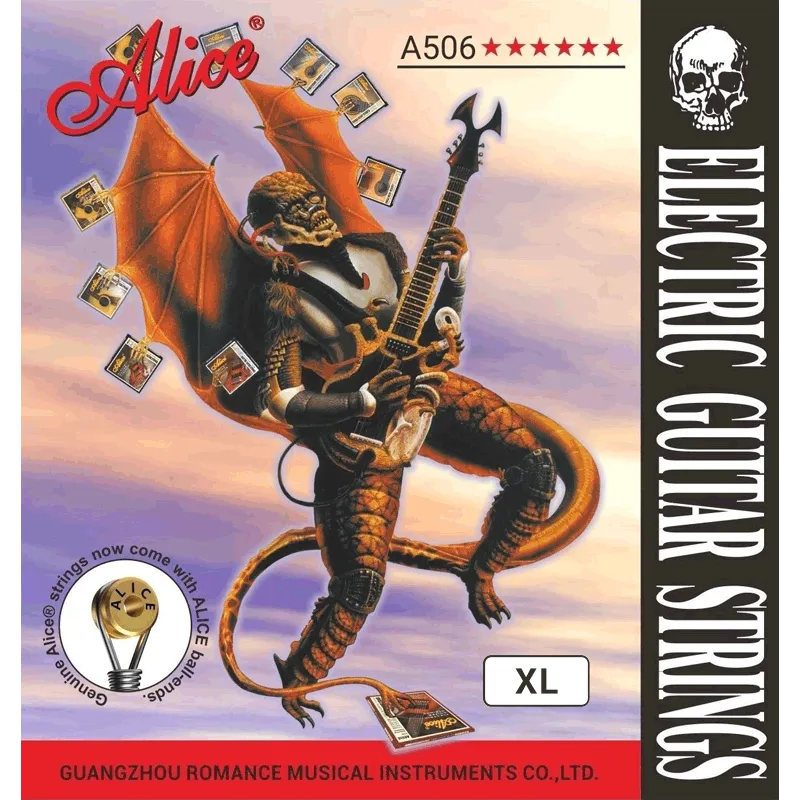
【A506 Electric Guitar Strings】
If you’re chasing that classic ‘60s or ‘70s blues tone, pure nickel strings are the way to go. They produce a smoother, warmer sound that complements tube amp distortion beautifully.
Best for: Blues players and fans of vintage tone.
Tone: Warm and mellow, with soft attack and rounded treble.
Stainless steel strings are known for their high output, corrosion resistance, and biting brightness. Perfect for hard rock and heavy blues solos, they add presence and definition, especially with overdrive or distortion.
Best for: Players who like sharp attack and long-lasting tone.
Tone: Bright, crisp, and aggressive.
Cobalt or advanced alloy-coated strings represent the new generation of guitar strings. They provide improved magnetic interaction with pickups, resulting in higher output and richer harmonics. Plus, the coating extends string life without dulling the tone.
Best for: Modern rock and blues players who need power and consistency.
Tone: Powerful, harmonically rich, and long-lasting.
Hybrid gauge sets combine light treble strings with heavier bass strings, offering easier bending for solos and tight low-end response for rhythm. They’re a favorite among players who switch between rhythm and lead.
Best for: Players seeking both flexibility and punch.
Tone: Balanced, dynamic, and versatile.
For blues players: Try pure nickel or nickel-plated sets in light to medium gauges (.010–.046).
For hard rock players: Go with stainless steel or cobalt alloy sets in medium to heavy gauges (.010–.052).
For expressive bending and vibrato: Lighter gauge sets offer better playability.
For heavy rhythm and sustain: Heavier strings deliver more body and tone depth.
Whether you prefer smooth, expressive blues licks or high-energy rock riffs, your strings are the foundation of your sound. Experimenting with different materials and gauges will help you find the perfect match for your guitar and playing style.
Alice is a globally recognized manufacturer specializing in high-quality guitar strings for musicians of all levels. With advanced manufacturing technology, precision winding, and premium materials, Alice Electric Guitar Strings deliver outstanding tone, durability, and tuning stability. From bright rock tones to warm blues resonance, Alice strings are designed to meet the demands of professional guitarists and hobbyists alike.
Explore the full range of Alice Electric Guitar Strings on their official website to find your perfect set and elevate your playing experience.