EN
Alice Strings News

News

How to Choose the Right Guitar Strings for Your Guitar

Release time: 2025-12-09
Views: 8
Share : icon-n1 icon-n2 icon-n3

(Guide to Selecting the Perfect Strings for Acoustic, Electric, Classical, and Bass Guitars)

Choosing the right guitar strings is one of the key steps to achieving your ideal tone and playing comfort. Whether you play acoustic, electric, classical, or bass guitar, the right string set can dramatically improve sound quality, tuning stability, and performance longevity.

In this guide, we’ll explain how to choose the best strings for your instrument — and why Alice Guitar Strings are trusted by musicians around the world.

 

best guitar strings


1. Identify Your Guitar Type

Different guitars require different string types. Choosing the right one ensures compatibility and sound balance.

Guitar Type

Recommended String Material

Tone Character

Acoustic Guitar

Bronze / Phosphor Bronze

Bright, clear, and resonant

Electric Guitar

Nickel-Plated Steel / Pure Nickel

Crisp and balanced for magnetic pickups

Classical Guitar

Nylon / Composite

Warm and mellow

Bass Guitar

Stainless Steel / Nickel

Deep and powerful

Explore Alice Acoustic Guitar Strings for rich and lasting tone.


2. Choose the Right String Gauge

String gauge determines playability, tone, and tension.

Light Gauge (0.009–0.042): Easier to bend and great for beginners.

Medium Gauge (0.010–0.046): Balanced tone and feel, suitable for most players.

Heavy Gauge (0.011–0.052): Stronger tone, ideal for drop tuning and aggressive strumming.

If you change gauge, remember to adjust your guitar’s setup for the best result.


3. Match String Material to Your Sound Preference

Material

Features

Ideal Use

Nickel-Plated Steel

Bright tone, balanced feel

Most electric guitars

Pure Nickel

Vintage warmth

Blues, classic rock

Stainless Steel

Sharp tone, corrosion-resistant

High-output styles

Phosphor Bronze

Warm, rich, long lifespan

Acoustic guitars

80/20 Bronze

Bright, crisp tone

Strumming and recording


Coated acoustic guitar strings

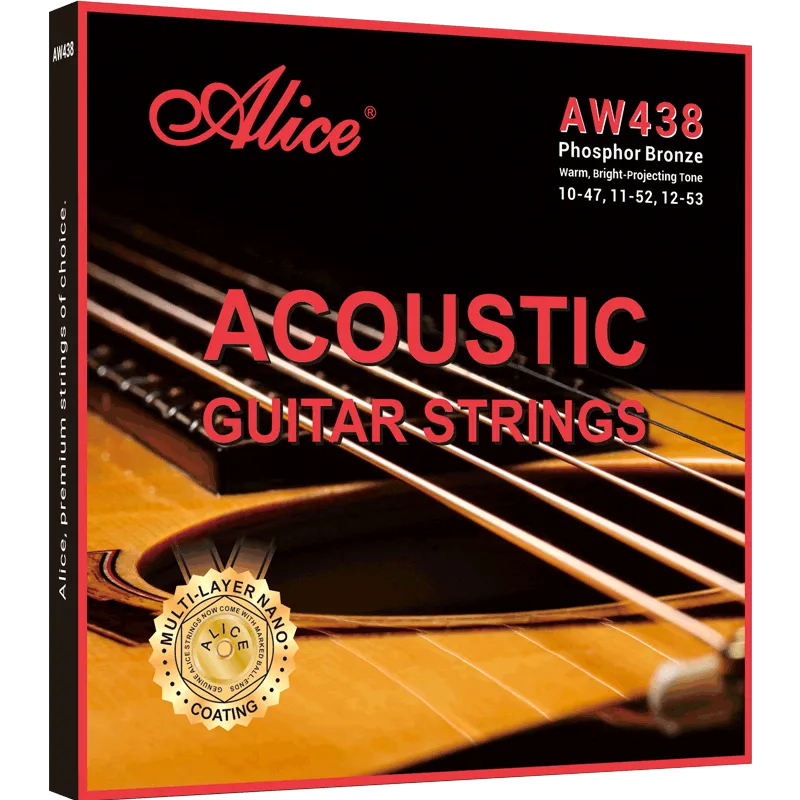
AW438-XL Acoustic guitar strings


4. Choose Strings Based on Playing Style

Fingerstyle: Light tension for smooth play and dynamic control.

Strumming: Medium to heavy gauge for consistent rhythm.

Lead Guitarists: Nickel strings with flexibility and sustain.

Jazz Players: Flatwound strings for warm, rounded tone.


5. Coated vs. Uncoated Strings

Modern coated strings resist corrosion and sweat, lasting 2–3 times longer than uncoated ones.
If you play often or perform live, Alice’s anti-rust coated guitar strings help maintain bright tone and stable tuning.


6. String Care and Replacement

To keep your strings sounding fresh:

Wipe them down after each session.

Use string lubricants to reduce friction.

Replace strings every 1–3 months depending on play frequency.

 

Acoustic guitar strings


Recommended: Alice Guitar Strings

Alice is a globally recognized brand specializing in guitar strings and accessories. Combining precision winding, high-quality alloys, and advanced anti-corrosion coatings, Alice delivers professional-grade tone for all playing styles.

Why Choose Alice Guitar Strings

Premium materials and electroplated anti-rust coating

Excellent tuning stability and tension control

Bright, full tone across all frequencies

Available for acoustic, electric, classical, and bass guitars

Trusted by musicians in more than 100 countries

Discover the perfect set for your instrument:

Acoustic Guitar Strings

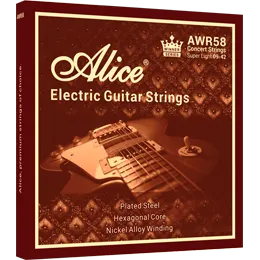
Electric Guitar Strings

Classical Guitar Strings

Bass Guitar Strings


FAQ About Guitar Strings

Q1: How often should I replace guitar strings?
A1: Every 1–3 months, depending on your playing frequency and environment. Professionals may change them weekly before gigs or recordings.

Q2: Can I use electric guitar strings on an acoustic guitar?
A2: It’s not recommended. Electric guitar strings are designed for magnetic pickups and produce a dull tone on acoustic guitars.

Q3: What’s the best string gauge for beginners?
A3: Light gauge strings (e.g., .009–.042) are easier to play and bend, ideal for beginners learning technique.

Q4: Are coated strings worth it?
A4: Yes. They cost slightly more but last longer, resist rust, and maintain tone — especially for humid or outdoor conditions.


Find Your Perfect Strings with Alice

Whether you’re playing soulful acoustic melodies, heavy metal riffs, or jazz improvisations, Alice Guitar Strings provide unmatched quality, tone, and durability.

Shop Alice Guitar Strings and experience the perfect balance of performance and price.
Relate News

nylon guitar strings manufacturer

Nylon Strings for Classical Guitars: Everything You Need to Know

At the heart of a classical guitar’s unique voice lies its nylon strings, which directly influence tone, playability, and overall musical experience. For musicians, retailers, and distributors, understanding the nuances of nylon strings is essential for making informed choices that meet performance and commercial needs.
Acoustic Guitar Strings

5 Key Indicators to Identify High-Quality Acoustic Guitar Strings

Acoustic guitar strings may look simple, but the difference between average and high-quality strings can be heard and felt immediately. Whether you are a professional performer, a studio musician, or a passionate hobbyist, learning how to recognize the hallmarks of premium acoustic guitar strings will help you achieve better sound, protect your instrument, and improve your playing experience.
Guqin Strings

What Are Guqin Strings Made Of?

At the heart of the guqin’s unique voice lies one essential element: its strings. To the untrained eye, guqin strings may seem like simple cords stretched across wood. But in reality, they are complex, delicately crafted components that greatly influence the tone, resonance, tension, and even the historical authenticity of the instrument.
Nylon Strings

Silk Strings, Steel Strings, and Nylon Strings: Which Is Best for Your Traditional Music Performance?

Among the many string options available, three dominate discussions around traditional and acoustic instruments: silk strings, steel strings, and nylon strings. Each has unique characteristics, strengths, and limitations. But which one is truly best for your playing style, musical tradition, and personal preference?
acoustic guitar string​, electric guitar string

Complete Guide to Guitar String Materials

Choosing the right guitar strings is one of the most important decisions a guitarist can make—yet it's often overlooked. Beyond string gauge or brand, the material of the strings plays a crucial role in shaping the tone, feel, and even longevity of your instrument. Whether you play acoustic, electric, or classical guitar, understanding the different types of string materials can help you find the sound and feel that best matches your playing style.
Orchestral Strings

Orchestral Strings Explained: A Beginner-Friendly Guide to Violin, Viola, Cello, and Double Bass

Alice Strings is a trusted global brand offering a full range of high-quality strings for orchestral instruments, including violins, violas, cellos, and double basses.
acoustic guitar strings

Tone Comparison of Brass Alloy, Phosphor Bronze, and Coated Guitar Strings

Alice Strings is a trusted global brand in the world of musical accessories, offering a wide range of acoustic guitar strings, including 80/20 bronze, phosphor bronze, and coated variants.
Guitar Strings

How to Choose the Right Guitar Strings for Your Performance: A Scenario-Based Buying Guide

Alice Strings is a leading name in the world of musical accessories, offering a wide range of guitar strings tailored for every performance setting. Whether you're gearing up for a rock concert, playing unplugged in an acoustic café, or performing classical masterpieces on stage, Alice provides high-quality strings that deliver consistency, durability, and exceptional tone.
Custom guitar strings

OEM Guitar String Customization: A Detailed Guide to the Process

In today’s competitive musical instrument market, more brands and retailers are turning to OEM (Original Equipment Manufacturer) guitar strings​ to offer products under their own names. Whether you’re a startup music brand, a professional luthier, or a well-established music store chain, OEM customization allows you to tailor your guitar strings to meet the specific needs of your customers while building brand identity.
Alice Guitar Strings​

Copper Alloy vs Phosphor Bronze: Which Acoustic Guitar Strings Suit You Best?

When it comes to acoustic guitar strings, the material used for the winding plays a critical role in shaping the tone, playability, and overall experience of the instrument. Among the most popular string materials in the market, copper alloy and phosphor bronze stand out for their distinct tonal characteristics and performance advantages.

Cello Plucking: Can You Pluck a Cello with Your Fingers? How-To And Tips

What to Do After Buying a Used Electric Guitar: Steps to Refresh It

Leave A Message