Replacing strings is a fundamental skill that cello beginners need to learn. When cello strings are appropriately replaced, transitions between phrases can be made smoothly and without various noises. Frayed strings can lead to out-of-tune playing, causing great frustration and displeasure for the player. This article looks at the causes of cello string wear and provides steps to replace cello strings.

Cause of cello string wear
Signs of worn strings include metal falling apart, rust, exposed cores, discoloration, or complete breakage of the strings in the middle. A good understanding of the condition of the strings will help the cello player better check the cello strings. In general, string wear may be due to one of the following conditions:
- Over-tightening
One cause of string fraying that many cellists have is over-tightening the strings. Many players tune the cello string incorrectly when they tune it before playing, which causes a string to become over-tuned and eventually break in the pegbox.
- Contact with oil hands
The condition of the player’s skin can significantly affect the strings. Dirt, sweat, and oils from the player’s hands can corrode the outer metal rings of the cello strings. To avoid this, the cello players must wash their hands simply before playing the cello and wipe the strings thoroughly after each playing session before putting the cello back in the case.
- Incorrect installation
Cello strings can also break if installed incorrectly on the pegs, causing them to rub against each other unnecessarily. For example, if the cello strings come straight out of one side of the pegbox, this can cause the player to tune to one side instead of being evenly centered. Also, this can damage the outer metal layer of the strings and cause fraying and cracking.
- Material
Cello strings are made from various materials, and some string materials wear out faster than others. Cello strings made from guts, for example, have an excellent sound but do not last very long, while steel strings take some time for cello players to get used to, but the type of string is relatively durable.
- The frequency of playing cello
The frequency of cello playing greatly impacts the wear and tear of the strings and when they need to be replaced. For professional cello players, it is general to change new strings every 3 to 4 months. For those who do not play the cello often, strings can be replaced every 6 to 7 months.
Steps to replace cello strings
The method for replacing cello strings is straightforward. The player must replace each string in the appropriate order on the peg. The strings need to be stretched as straight as possible to prevent them from loosening quickly. After the strings are inserted into the shaft holes, the player must twist the strings in and out. Note that when replacing the strings, the player should ensure that the strings are not wound crooked and staggered. Otherwise, the strings may interfere with each other and affect the cello’s pronunciation.
Alicestrings: A806 Cello String Set
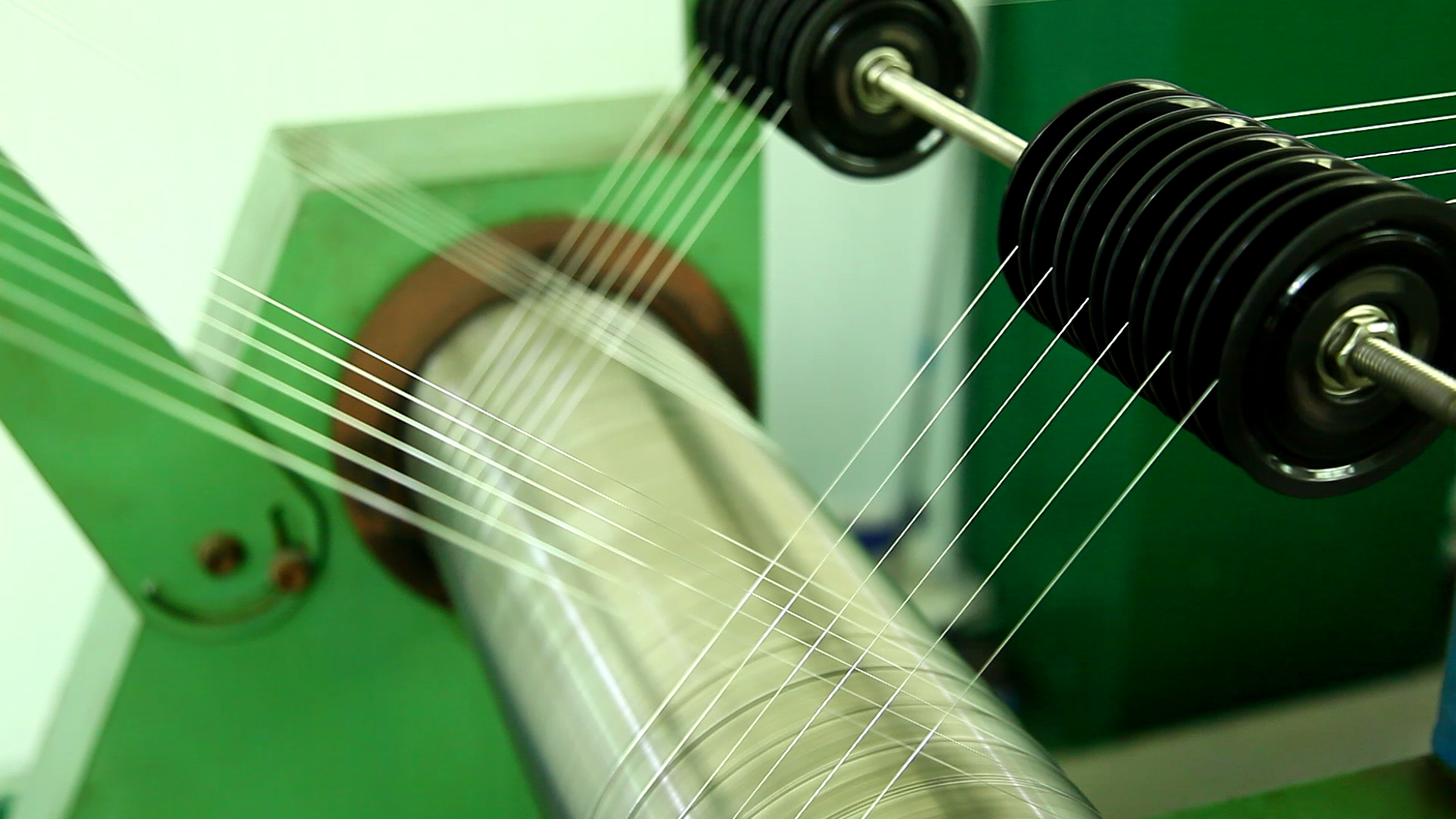
Cello strings need to be replaced regularly, so choosing the right strings is very important. Guangzhou Romance Musical Instrument Co., Ltd. was established in 1999 and had 23 years of experience in the R&D and manufacturing of strings. Alicestrings pays close attention to quality control throughout the string manufacturing process. With the full implementation of the ISO9001:2015 standard, the entire production cycle of strings is closely monitored to ensure they meet the standard. We rarely see faulty strings make it through rigorous quality controls. Alicestrings’ A806 Cello String Set is made of a braided steel core. This product has a bright sound and a comfortable feel and is suitable for cello beginners or professional players to practice or perform.

Contact us if you are interested in Alicestrings cello strings!
Related articles:
- Do Heavier Strings Sound Better?
- Nylon Strings vs. Steel Strings
- How a Capo Can Help Guitar Beginners