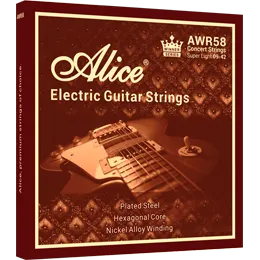
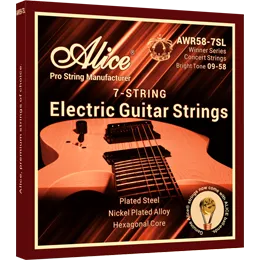
For musicians exploring string instruments, the guitar and the guitalele often spark curiosity. Both share similarities in structure and playing technique, yet their strings differ in material, tuning, and sound. Understanding these differences not only helps in choosing the right instrument but also ensures proper string maintenance and replacement. This article explores the unique characteristics of guitar strings and guitalele strings, how they affect tone and playability, and why selecting the right set of strings matters.

( Alice ACU108 Nylon Guitalele Strings )
1. Overview of the Guitar and the Guitalele
The guitar is one of the world’s most popular instruments, with a versatile role across genres such as classical, rock, jazz, folk, and pop. Standard guitars come in two main categories: acoustic and electric. Both typically use six strings and are tuned to E-A-D-G-B-E.
The guitalele, on the other hand, is a hybrid instrument that combines the portability of a ukulele with the six-string structure of a guitar. Roughly one-fourth the size of a traditional guitar, the guitalele is tuned like a guitar but pitched a fourth higher, typically to A-D-G-C-E-A. This tuning creates a sound closer to that of a ukulele, while retaining the chord shapes and fingerings of a guitar.
Because of this structural difference, guitalele strings must be designed to produce the right tension and tone on a smaller scale.
Guitar strings are manufactured from a wide range of materials, chosen for tone, durability, and feel. Some common options include:
Nylon strings – used primarily in classical guitars, they provide a warm, mellow sound suitable for fingerstyle playing.
Steel strings – standard on acoustic and electric guitars, they offer bright, resonant tones and are ideal for strumming, picking, and versatile musical styles.
Coated strings – steel strings treated with a protective coating that extends lifespan and reduces corrosion.
These materials allow guitarists to select strings based on playing style, from the gentle articulation of classical pieces to the driving power of rock riffs.

( Alice A407K Acoustic Guitar Strings )
Since the guitalele is smaller and tuned higher, it requires strings with different tension and construction. Typical guitalele string sets include:
Nylon strings – similar to classical guitar strings but specially scaled for the shorter neck and higher tuning of the guitalele. They produce a soft, ukulele-like tone while maintaining guitar-like playability.
Hybrid sets – some string makers produce sets specifically designed for the guitalele, balancing warmth with clarity to match the instrument’s hybrid nature.
Steel strings are generally not used on guitaleles, as the instrument’s design cannot withstand the higher tension. Nylon remains the preferred material.
4. Tuning Differences
The most obvious distinction between guitar and guitalele strings lies in tuning:
Guitar: Standard tuning is E-A-D-G-B-E. This range covers both low and high registers, offering versatility across genres.
Guitalele: Standard tuning is A-D-G-C-E-A, essentially the same as placing a capo on the 5th fret of a guitar. This raises the pitch, giving the guitalele a brighter, more compact tonal range.
As a result, when a guitarist switches to a guitalele, chord shapes remain the same, but the overall pitch shifts upward.
5. Tone and Playability
Because of the differences in materials and tuning, guitar and guitalele strings offer distinct tonal experiences:
Guitar strings: Provide a fuller, richer sound with deeper bass and wide tonal dynamics. Steel strings emphasize brightness and projection, while nylon strings highlight warmth and softness.
Guitalele strings: Deliver a brighter, lighter, and more ukulele-like tone. The sound is less resonant than a full-size guitar but adds a cheerful, portable charm.
In terms of playability, guitalele strings have lower tension, making them easier for beginners or younger players to press down. Guitar strings, especially steel ones, require more finger strength but reward players with greater volume and tonal variety.
6. String Replacement and Maintenance
For guitars: Strings should be replaced every 1–3 months, depending on use. Steel strings require regular cleaning to prevent corrosion, while nylon strings are less prone to rust but may stretch over time.
For guitaleles: Strings last longer due to lower tension, but they should still be replaced regularly to maintain clear intonation and tone. Players should always use strings designed specifically for guitaleles to avoid damaging the instrument.
7. Choosing the Right Strings
When selecting strings, players should consider:
For guitars: Musical style (classical, rock, folk, etc.), preference for brightness or warmth, and comfort in playability.
For guitaleles: Compatibility with the instrument, preference for ukulele-like brightness versus guitar-like warmth, and string tension suitable for small-scale play.
Using mismatched strings—such as putting standard guitar strings on a guitalele—can lead to poor tone, incorrect tuning, or even structural damage.
Conclusion
While the guitar and guitalele share many similarities, their strings are designed for different purposes. Guitar strings come in nylon, steel, or coated varieties and provide a wide tonal palette suitable for diverse genres. Guitalele strings, usually nylon-based, are tailored for higher tuning, lower tension, and the hybrid sound of this compact instrument.
For musicians, the choice between guitar and guitalele strings depends on desired tone, playability, and instrument size. Both instruments offer unique musical experiences, and choosing the correct strings ensures the best performance.
If you are looking for durable, high-quality, and well-balanced strings, Alice guitar strings are an excellent choice. Designed with precision and crafted for both beginners and professionals, Alice ensures superior tone and comfort, whether you are playing a full-sized guitar or exploring the unique charm of the guitalele.