Guitar strings may all look similar to the untrained eye, but the difference between electric and acoustic guitar strings runs deep—both in terms of materials and musical function. If you’ve ever wondered whether you could put electric guitar strings on an acoustic guitar (or vice versa), the short answer is: you can—but it’s not ideal. Each type of string is specifically engineered for the instrument it's meant for, and swapping them can lead to subpar tone, poor playability, or even damage in some cases.
1. String Construction & Material Differences
The most fundamental difference lies in how the strings are made and what they're made of.
Electric Guitar Strings:
Core Material: Typically steel (plain or high-carbon)
Winding Material: Nickel-plated steel, pure nickel, or stainless steel
Purpose: Designed for use with magnetic pickups, which respond to steel content
Acoustic Guitar Strings:
Core Material: Steel (similar to electric)
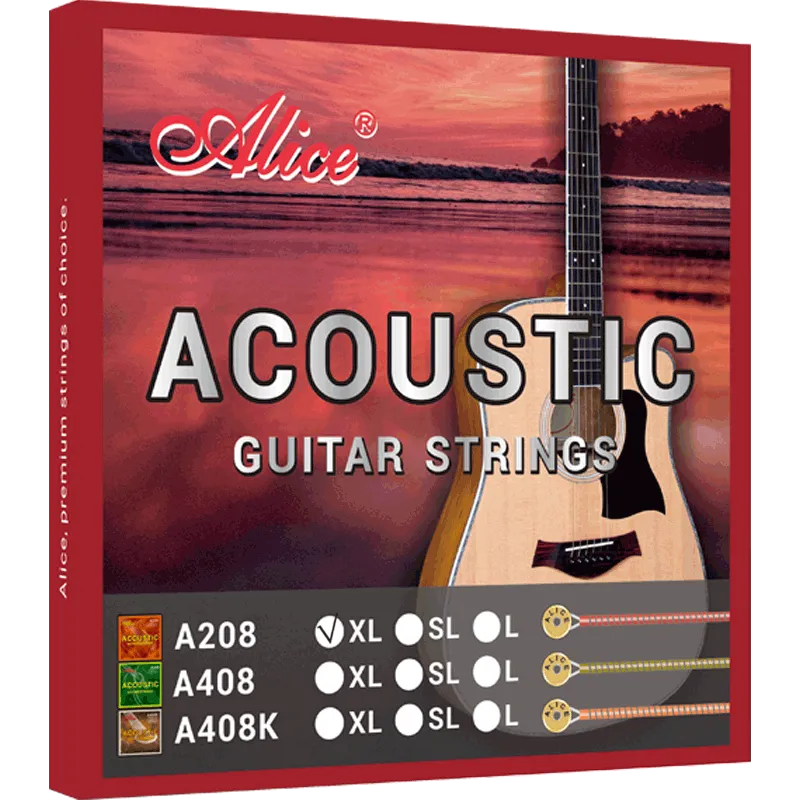
Winding Material: 80/20 bronze, phosphor bronze, or other copper-based alloys
Purpose: Made to vibrate and project acoustically, not through pickups
In short, electric strings are built to interact with electromagnetic pickups, while acoustic strings are built for natural resonance and volume.
2. Tonal Characteristics
String material greatly affects tone:
Electric guitar strings (e.g., nickel-wound) are more balanced and mellow because nickel isn’t as bright as bronze.
Acoustic strings (e.g., phosphor bronze or 80/20) are brighter and more resonant, projecting more volume when played unplugged.
Using the wrong string type often results in tonal mismatch. For instance:
Acoustic strings on an electric guitar may sound muddy or weak through pickups.
Electric strings on an acoustic guitar may sound dull and quiet, since they’re not designed to resonate acoustically.
3. String Tension and Playability
Though both electric and acoustic guitars use steel-core strings, electric guitar strings generally have lower tension, making them easier to bend and fret.
Typical electric string gauge: .009–.042 or .010–.046
Typical acoustic string gauge: .012–.053 or .013–.056
Acoustic guitars often need higher-tension strings to drive the soundboard and produce sufficient volume. Using low-tension electric strings on an acoustic guitar can result in weak tone and buzzing, especially on strumming.
4. Can You Use Electric Guitar Strings on an Acoustic Guitar?
Technically yes, but with caveats:
Sound Quality: Electric strings will likely sound too mellow and lack projection.
Volume Loss: The acoustic guitar may feel underpowered or sound boxy.
Durability Issues: Lighter electric strings may not create enough tension for the acoustic setup, affecting neck relief or intonation.
However, some hybrid strings exist for acoustic-electric guitars, especially those with magnetic pickups. These strings may use nickel-bronze alloys to work better in both contexts.
5. Can You Use Acoustic Guitar Strings on an Electric Guitar?
Again, possible but not recommended:
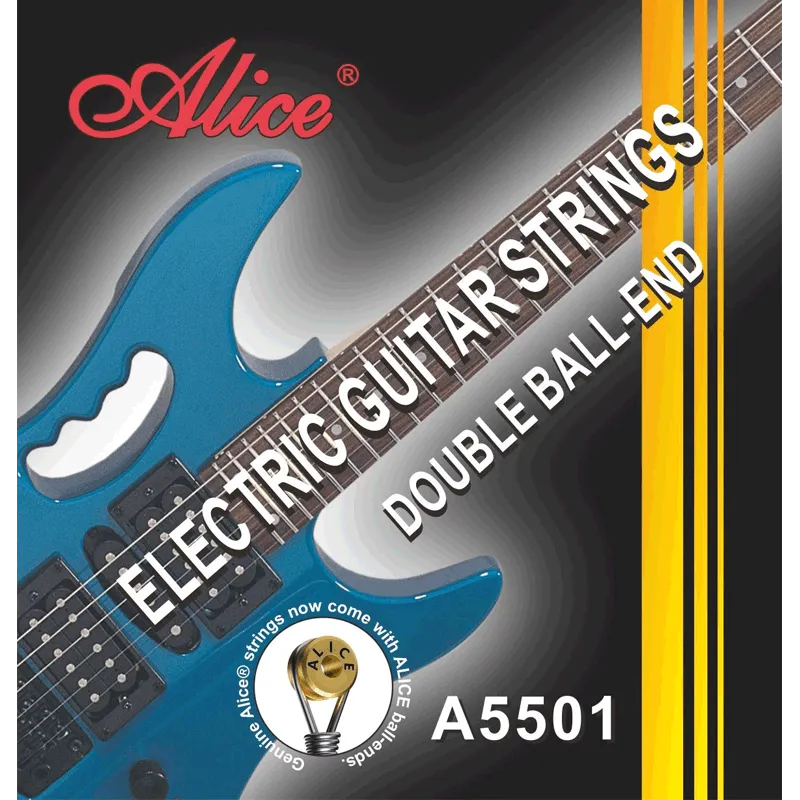
Magnetic Incompatibility: Acoustic strings (made with bronze alloys) don’t contain enough magnetic material to properly drive an electric guitar’s pickups.
Poor Output: Sound may be extremely weak or inconsistent.
String Breakage Risk: Acoustic strings are often thicker and may not fit comfortably in electric guitar nuts or saddles.
When Mixing Makes Sense: Acoustic-Electric Guitars
If you’re using an acoustic-electric guitar—a guitar with built-in pickups—then your choice depends on pickup type:
Piezo or microphone pickups: Use traditional acoustic strings (phosphor bronze, etc.).
Magnetic soundhole pickups: Consider nickel-bronze or electric-compatible hybrid strings for improved pickup response.
Manufacturers like Alice offer specific string sets for this hybrid use.
Other Considerations
Feel and Playability: Electric strings tend to feel smoother, making them more comfortable for beginners.
Lifespan: Coated acoustic strings can last longer, especially in outdoor or humid conditions.
Genre and Style: Electric strings are tailored for rock, metal, and blues with bends and slides. Acoustic strings serve folk, country, and unplugged pop styles.
Quick Summary Table
Feature | Electric Guitar Strings | Acoustic Guitar Strings |
Core Material | Steel | Steel |
Winding Material | Nickel, stainless steel | Bronze, phosphor bronze |
Designed For | Magnetic pickups | Acoustic resonance |
Typical Gauge | .009–.046 | .012–.056 |
Tone | Balanced, mellow | Bright, resonant |
Use on Other Guitar | Possible but not ideal | Weak signal on electric guitar |
Alice Strings
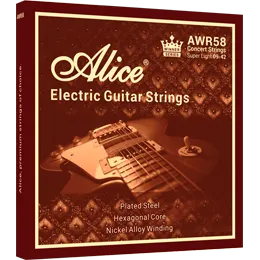
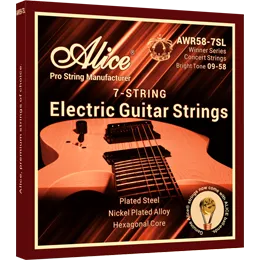
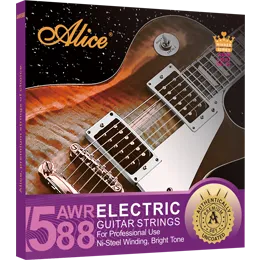
Alice Strings is a globally recognized manufacturer of high-quality guitar strings for electric, acoustic, and classical guitars. With a commitment to precision, durability, and tonal excellence, Alice offers a wide variety of string types—from nickel-plated electric sets to rich-sounding phosphor bronze acoustic sets, and even hybrid options for acoustic-electric players.
Whether you are a beginner seeking comfort and ease or a professional looking for tonal precision, Alice has a string for your sound. Trusted by musicians worldwide, Alice Strings combine innovation and value to deliver consistent performance every time you play.