











Top 6 Differences Between Hard Tension Strings Guitar and Normal Ones
In guitar playing terms, tension refers to the effort it takes for you to strum your guitar. The weight of the pick, the thickness of strings, and their tension – all play a role in how hard you must work when playing music on your instrument.
Choosing between hard and normal-tension strings is a real struggle for newbies. Continue reading if you're looking for more in-depth information on the reasons why a guitarist would want to play with normal or hard strings.
<span style="font-size:16px;font-family:;" "="">Classification of Strings Based on Tension
Normal-tension
Normal guitar strings are used for rhythm playing and add a bright and shimmery tone to the song, causing it to sound richer in overtones. They have more volume than other kinds of guitar strings, but they move more loosely around the fret, making them easier on fingertips - this is why they are best for beginners who use guitars more sporadically.
Hard tension

Top 6 Differences between Normal and Hard Tension Strings
The thickness of the string
The thickness of the string is to do with the normal and hard tension strings offered by the manufacturer. If analyzing the thickness of the strings between normal and hard strings of the same brand, the difference is obvious. Hard strings are thicker and offer more tension than normal strings.
Strength of plucking
Hard tension strings classical guitar feels completely different compared to the normal one. The former’s strings are physically harder to press down against the fretboard. Even though they are harder to press than low tension strings, you may not notice this extra effort when you play. On the other hand, persisting with high tension strings can strengthen your left hand and give you a higher volume.
Buzz sound
If you have a stronger hand, hard tension strings are worth the investment. They do not buzz sounds even on heavier hands. However, normal tension strings cause a buzzing sound with heavier hands. On the contrary, the tight strings are tolerant to the aggressive touch, so hard tension strings are the savior for those who prefer hard touch.
Resistance
Hard tension strings are tighter and require more force to play. In contrast, the normal tension strings are lighter to play. As the hard tension makes the resistance more prominent and can hinder the guitar play, normal tension strings are preferable for those who like slight or less resistance.
Vibrato
Vibrato is the tone color that is most prominent and strongest for a guitarist's palette. Normally vibrato generates on a classical guitar by rolling the hard finger and varying the string tension. It means that for vibrato, normal tension strings are more sensitive than hard tension strings.
Tone
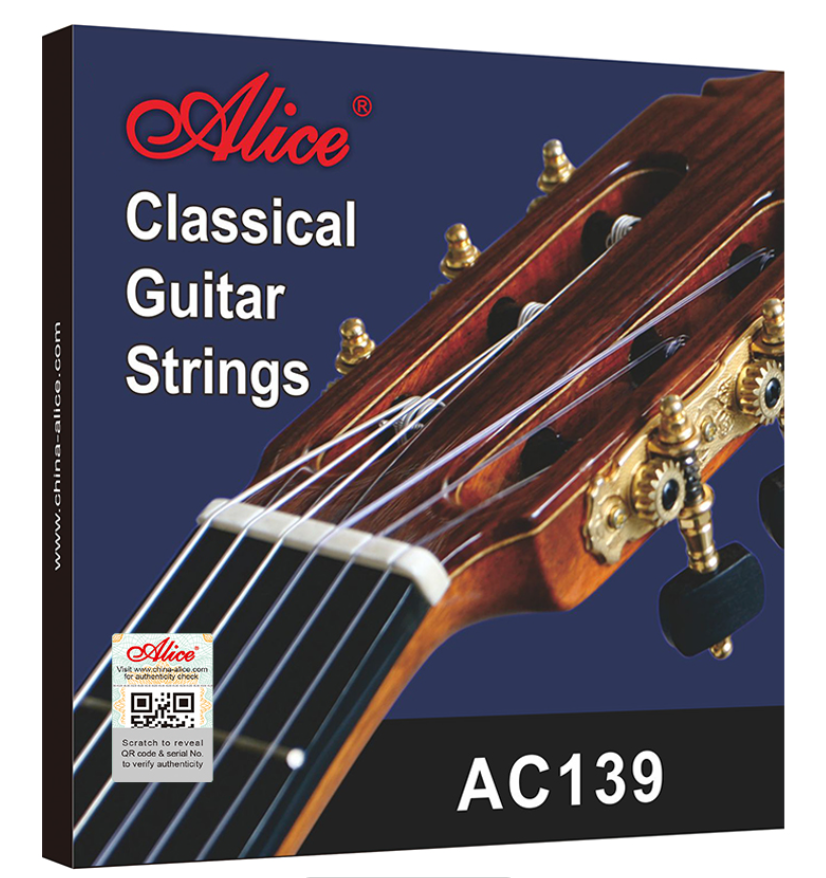
Choosing Alice AC139 for Normal and Hard Tension
Conclusion

Relate News
-
Alice Guitar Strings are developed through years of focused string manufacturing experience, with strict control over material selection, winding consistency, and tension balance. Instead of chasing short-term trends, Alice emphasizes stable tone, comfortable playability, and predictable performance—qualities that matter most to beginners and advancing players. -

How to Clean Guitar Strings Without Damaging Them
Guitar strings are the heart of your instrument’s sound. They not only produce tone but also directly influence playability and feel. Over time, however, strings can accumulate dirt, sweat, oils, and other debris that dull their tone and shorten their lifespan. Cleaning your guitar strings regularly is essential for maintaining consistent performance and prolonging their life. In this guide, we’ll explore safe and effective ways to clean guitar strings without damaging them, ensuring that your guitar always sounds its best. -

Common Guitar String Problems and How to Fix Them
Whether you’re a beginner learning your first chords or a touring professional playing night after night, guitar strings are the heart of your tone. But even the best strings can run into problems — from tuning instability to premature breakage. Understanding the most common guitar string issues and knowing how to fix them can keep your instrument sounding its best and help you avoid unnecessary frustration. -

Why Your Guitar Strings Keep Breaking (and How to Prevent It)
Discover why guitar strings break and how to prevent it. Learn expert tips from Alice, a leading guitar strings manufacturer and OEM provider. -

A Beginner’s Guide to Acoustic Guitar Strings
(Everything You Need to Know Before Changing Your First Set) When you first start playing the acoustic guitar, strings may seem like a small detail — but in reality, they’re one of the most critical factors shaping your tone, comfort, and overall playing experience. Choosing the right acoustic guitar strings can make your instrument sound brighter, fuller, and more expressive, while also helping you develop proper technique. -

How to Source High-Quality Guitar Strings: A Complete Buyer’s Guide
As one of the world’s leading guitar strings manufacturer and guitar accessories suppliers, Alice combines decades of expertise with cutting-edge technology to produce strings that meet the highest professional standards. From classical nylon to electric steel and acoustic bronze, Alice Guitar Strings deliver unmatched tone, durability, and playability for musicians of all levels. -

Phosphor Bronze Strings vs. 80/20 Bronze Strings: Which Should You Choose?
When it comes to acoustic guitar strings, two of the most popular choices are phosphor bronze and 80/20 bronze. Both are widely used by guitarists around the world, but they differ in composition, tonal characteristics, durability, and playing applications. -

What is the Difference Between Guitar Strings and Guitalele Strings?
While the guitar and guitalele share many similarities, their strings are designed for different purposes. Guitar strings come in nylon, steel, or coated varieties and provide a wide tonal palette suitable for diverse genres. Guitalele strings, usually nylon-based, are tailored for higher tuning, lower tension, and the hybrid sound of this compact instrument. -

What Is a Guitar Capo Used For?
A guitar capo (pronounced kay-poh) is a small clamp-like device that attaches to the neck of a guitar. Its main purpose is to shorten the playable length of the strings, effectively raising the pitch of the open strings. In simple terms, it acts like a movable nut. -

How to Choose the Right Guitar String Gauge: Light, Medium, or Heavy?
One of the most important yet often overlooked aspects of your guitar’s sound and playability is the string gauge—in simple terms, the thickness of the strings. Whether you’re a beginner or a seasoned player, choosing between light, medium, or heavy gauge strings can greatly influence your tone, playing comfort, and technique. -

What Strings Are Best for an Acoustic Guitar?
When it comes to acoustic guitars, the strings you choose can have a dramatic impact on your tone, playability, and overall playing experience. Whether you're a beginner or a professional, understanding the types of acoustic guitar strings available and how they affect your sound is crucial. With so many brands, materials, and gauges to choose from, selecting the best strings can seem overwhelming. -

How to Change Acoustic Guitar Strings: A Step-by-Step Guide
Whether you're a beginner learning your first chords or a seasoned player preparing for your next gig, changing your acoustic guitar strings is a fundamental skill every guitarist should master. Over time, strings lose their brightness, become harder to tune, and even break. Fresh strings not only improve your guitar’s tone but also enhance your playing experience. This guide walks you through everything you need to know about changing acoustic guitar strings efficiently and safely.