(Everything You Need to Know Before Changing Your First Set)
When you first start playing the acoustic guitar, strings may seem like a small detail — but in reality, they’re one of the most critical factors shaping your tone, comfort, and overall playing experience.
Choosing the right acoustic guitar strings can make your instrument sound brighter, fuller, and more expressive, while also helping you develop proper technique.
1. Understanding Acoustic Guitar Strings
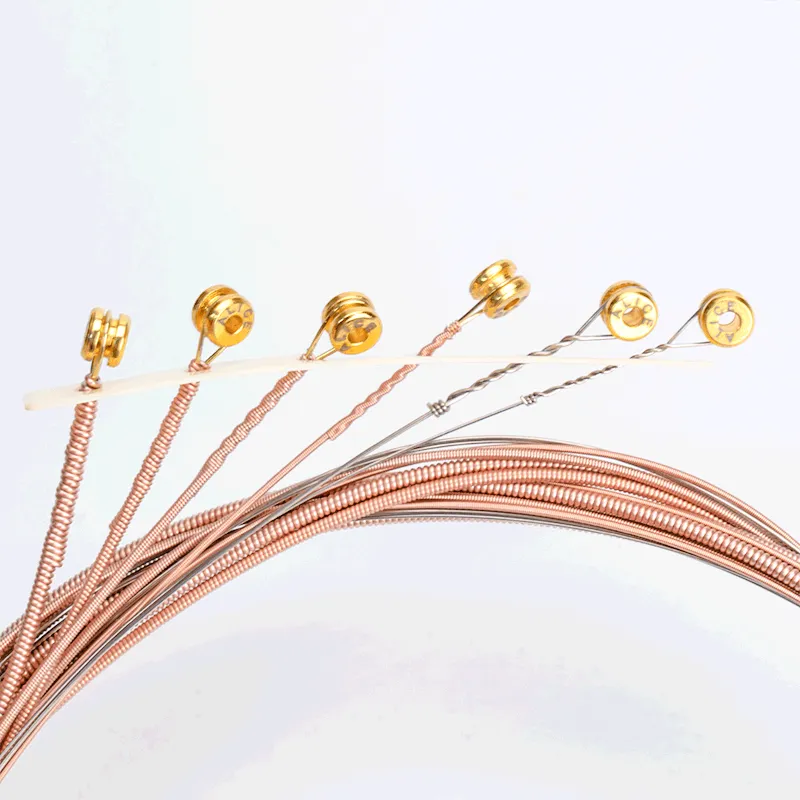
Acoustic guitar strings are usually made of bronze or phosphor bronze, both known for producing a bright, natural tone that complements the wood resonance of the guitar body.
80/20 Bronze Strings:
Made of 80% copper and 20% zinc, they offer a bright, crisp, and clear tone. However, they tend to lose brightness over time due to oxidation.
Phosphor Bronze Strings:
Contain a small amount of phosphorus that slows down corrosion, resulting in a warmer and richer tone that lasts longer.
Coated Strings:
These strings have a thin protective layer that prevents rust and grime, extending string life — perfect for players who sweat more or play frequently.
Explore Alice Acoustic Guitar Strings for long-lasting tone and exceptional playability.

【A206 Acoustic Guitar Strings】
2. String Gauge: What It Means and Why It Matters
The string gauge refers to the thickness of the strings, usually measured in thousandths of an inch. The gauge affects both tone and playability:
Gauge Type | Common Range | Tone & Feel | Ideal For |
Extra Light | .010–.047 | Easier to play, less tension | Beginners, fingerstyle |
Light | .012–.053 | Balanced feel and tone | All-round playing |
Medium | .013–.056 | Fuller tone, more volume | Strumming, flatpicking |
Heavy | .014–.059 | Deep tone, high tension | Drop tunings, hard strumming |
If you’re new to guitar, start with light gauge strings (.012–.053). They’re easier on your fingers and allow smoother transitions between chords.
3. Choosing the Right String Material
Each material affects tone and feel differently. Here’s a quick comparison:
Material | Sound Quality | Durability | Best For |
80/20 Bronze | Bright, sharp tone | Moderate | Strumming & studio recording |
Phosphor Bronze | Warm, rich tone | High | Fingerstyle, all-purpose |
Silk and Steel | Soft, mellow sound | Moderate | Beginners & folk players |
Coated Strings | Smooth, long-lasting tone | Very high | Frequent performers |
If you prefer a brighter sound, go with 80/20 Bronze. If you enjoy warmer tones with more depth, Phosphor Bronze is the good choice.
4. How Often Should You Change Strings?
Even high-quality strings wear out over time. Signs that it’s time to change include:
Dull or muted tone
Difficulty tuning or staying in tune
Rust or discoloration on the strings
Sticky or rough texture
For most players, changing strings every 1–3 months is ideal. Frequent performers may need to replace them more often.
Alice offers anti-rust coated strings that maintain brightness 2–3 times longer than uncoated ones.
5. Tips for Caring for Your Strings
To extend the life of your acoustic guitar strings:
Wash your hands before playing
Wipe strings with a soft dry cloth after use
Store your guitar in a case when not in use
Avoid high humidity environments
These simple habits keep your tone consistent.
6. Why Choose Alice Acoustic Guitar Strings
Alice is a guitar strings and guitar accessories manufacturer. With electroplating technology, precise winding, and strict quality control, Alice Acoustic Guitar Strings deliver superior tone, durability, and tuning stability for players of all levels.
Alice Acoustic Strings Features
Bright, rich tone with excellent projection
Anti-rust coating for longer lifespan
Comfortable feel for both beginners and professionals
Available in 80/20 Bronze, Phosphor Bronze, and coated options
Globally trusted brand in over 100 countries
Discover the full range of Alice Acoustic Guitar Strings.
FAQ: Acoustic Guitar Strings for Beginners
Q1: What’s the best string gauge for beginners?
A1: Light gauge strings (.012–.053) are ideal. They’re easy to press and produce a balanced tone.
Q2: How long do acoustic guitar strings last?
A2: Typically 1–3 months depending on how often you play and environmental conditions. Coated strings last longer.
Q3: Should I clean my strings after every session?
A3: Yes. Wiping them down removes oils and sweat that can cause corrosion.
Q4: Are coated strings worth the extra cost?
A4: Absolutely. Coated strings last longer, maintain consistent tone, and resist rust — perfect for frequent use or humid environments.
Find Your Sound with Alice
Whether you’re learning your first chords or performing live, Alice Acoustic Guitar Strings help you play with clarity, comfort, and confidence.