
EN
Alice Strings News

News

Electric Guitar Strings vs Acoustic Guitar Strings Difference, and Can Swap Them?

Release time: 2025-07-17
Views: 1570
Share : icon-n1 icon-n2 icon-n3

Guitar strings may all look similar to the untrained eye, but the difference between electric and acoustic guitar strings runs deep—both in terms of materials and musical function. If you’ve ever wondered whether you could put electric guitar strings on an acoustic guitar (or vice versa), the short answer is: you can—but it’s not ideal. Each type of string is specifically engineered for the instrument it's meant for, and swapping them can lead to subpar tone, poor playability, or even damage in some cases.
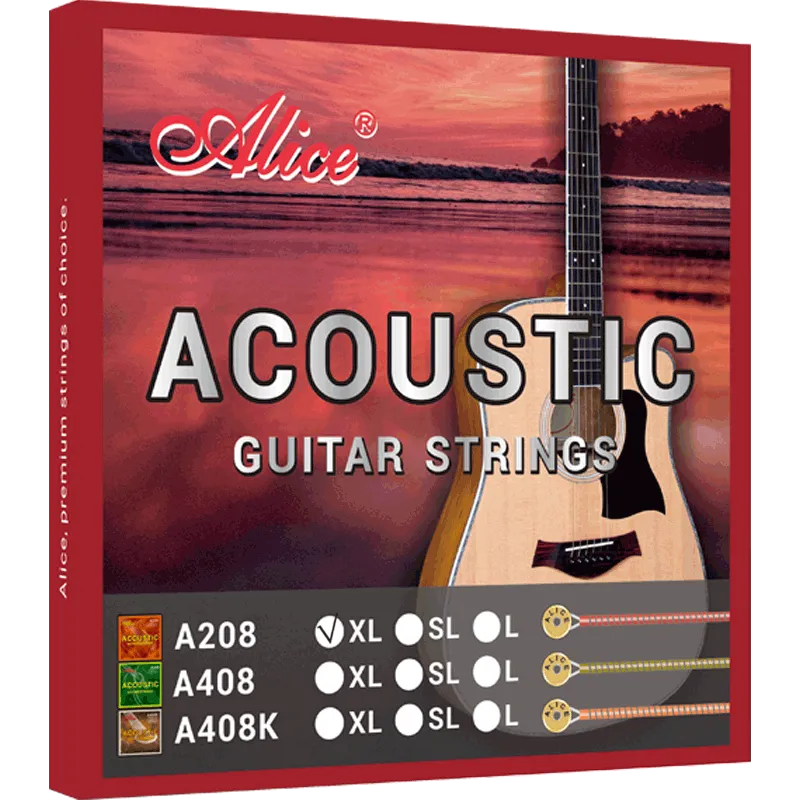
 

Acoustic Guitar Strings


1. String Construction & Material Differences

The most fundamental difference lies in how the strings are made and what they're made of.

Electric Guitar Strings:

Core Material: Typically steel (plain or high-carbon)

Winding Material: Nickel-plated steel, pure nickel, or stainless steel

Purpose: Designed for use with magnetic pickups, which respond to steel content

Acoustic Guitar Strings:

Core Material: Steel (similar to electric)

Winding Material: 80/20 bronze, phosphor bronze, or other copper-based alloys

Purpose: Made to vibrate and project acoustically, not through pickups

In short, electric strings are built to interact with electromagnetic pickups, while acoustic strings are built for natural resonance and volume.


2. Tonal Characteristics

String material greatly affects tone:

Electric guitar strings (e.g., nickel-wound) are more balanced and mellow because nickel isn’t as bright as bronze.

Acoustic strings (e.g., phosphor bronze or 80/20) are brighter and more resonant, projecting more volume when played unplugged.

Using the wrong string type often results in tonal mismatch. For instance:

Acoustic strings on an electric guitar may sound muddy or weak through pickups.

Electric strings on an acoustic guitar may sound dull and quiet, since they’re not designed to resonate acoustically.


3. String Tension and Playability

Though both electric and acoustic guitars use steel-core strings, electric guitar strings generally have lower tension, making them easier to bend and fret.

Typical electric string gauge: .009–.042 or .010–.046

Typical acoustic string gauge: .012–.053 or .013–.056

Acoustic guitars often need higher-tension strings to drive the soundboard and produce sufficient volume. Using low-tension electric strings on an acoustic guitar can result in weak tone and buzzing, especially on strumming.


4. Can You Use Electric Guitar Strings on an Acoustic Guitar?

Technically yes, but with caveats:

Sound Quality: Electric strings will likely sound too mellow and lack projection.

Volume Loss: The acoustic guitar may feel underpowered or sound boxy.

Durability Issues: Lighter electric strings may not create enough tension for the acoustic setup, affecting neck relief or intonation.

However, some hybrid strings exist for acoustic-electric guitars, especially those with magnetic pickups. These strings may use nickel-bronze alloys to work better in both contexts.
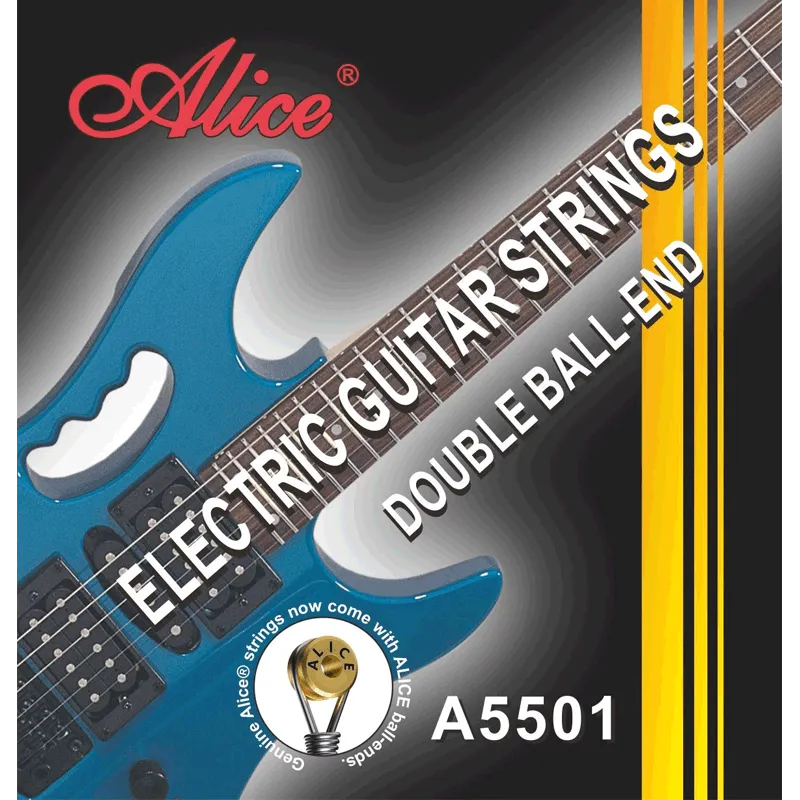
 

Electric Guitar Strings


5. Can You Use Acoustic Guitar Strings on an Electric Guitar?

Again, possible but not recommended:

Magnetic Incompatibility: Acoustic strings (made with bronze alloys) don’t contain enough magnetic material to properly drive an electric guitar’s pickups.

Poor Output: Sound may be extremely weak or inconsistent.

String Breakage Risk: Acoustic strings are often thicker and may not fit comfortably in electric guitar nuts or saddles.


When Mixing Makes Sense: Acoustic-Electric Guitars

If you’re using an acoustic-electric guitar—a guitar with built-in pickups—then your choice depends on pickup type:

Piezo or microphone pickups: Use traditional acoustic strings (phosphor bronze, etc.).

Magnetic soundhole pickups: Consider nickel-bronze or electric-compatible hybrid strings for improved pickup response.

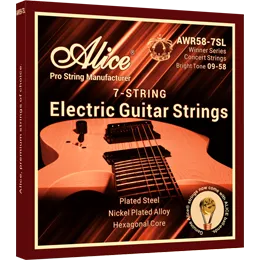
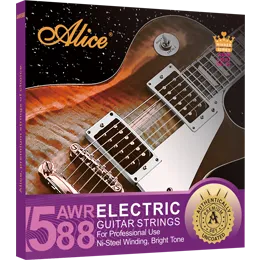
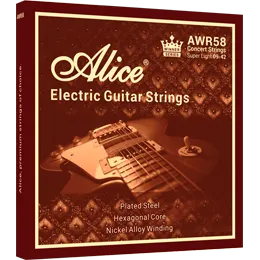
Manufacturers like Alice offer specific string sets for this hybrid use.


Other Considerations

Feel and Playability: Electric strings tend to feel smoother, making them more comfortable for beginners.

Lifespan: Coated acoustic strings can last longer, especially in outdoor or humid conditions.

Genre and Style: Electric strings are tailored for rock, metal, and blues with bends and slides. Acoustic strings serve folk, country, and unplugged pop styles.


Quick Summary Table

Feature

Electric Guitar Strings

Acoustic Guitar Strings

Core Material

Steel

Steel

Winding Material

Nickel, stainless steel

Bronze, phosphor bronze

Designed For

Magnetic pickups

Acoustic resonance

Typical Gauge

.009–.046

.012–.056

Tone

Balanced, mellow

Bright, resonant

Use on Other Guitar

Possible but not ideal

Weak signal on electric guitar


Alice Strings

Alice Strings is a globally recognized manufacturer of high-quality guitar strings for electric, acoustic, and classical guitars. With a commitment to precision, durability, and tonal excellence, Alice offers a wide variety of string types—from nickel-plated electric sets to rich-sounding phosphor bronze acoustic sets, and even hybrid options for acoustic-electric players.

Whether you are a beginner seeking comfort and ease or a professional looking for tonal precision, Alice has a string for your sound. Trusted by musicians worldwide, Alice Strings combine innovation and value to deliver consistent performance every time you play.


Relate News

Guitar Strings

How to Clean Guitar Strings Without Damaging Them

Guitar strings are the heart of your instrument’s sound. They not only produce tone but also directly influence playability and feel. Over time, however, strings can accumulate dirt, sweat, oils, and other debris that dull their tone and shorten their lifespan. Cleaning your guitar strings regularly is essential for maintaining consistent performance and prolonging their life. In this guide, we’ll explore safe and effective ways to clean guitar strings without damaging them, ensuring that your guitar always sounds its best.
Guitar String

Common Guitar String Problems and How to Fix Them

Whether you’re a beginner learning your first chords or a touring professional playing night after night, guitar strings are the heart of your tone. But even the best strings can run into problems — from tuning instability to premature breakage. Understanding the most common guitar string issues and knowing how to fix them can keep your instrument sounding its best and help you avoid unnecessary frustration.
guitar strings

Why Your Guitar Strings Keep Breaking (and How to Prevent It)

Discover why guitar strings break and how to prevent it. Learn expert tips from Alice, a leading guitar strings manufacturer and OEM provider.
Acoustic Guitar String

A Beginner’s Guide to Acoustic Guitar Strings

(Everything You Need to Know Before Changing Your First Set) When you first start playing the acoustic guitar, strings may seem like a small detail — but in reality, they’re one of the most critical factors shaping your tone, comfort, and overall playing experience. Choosing the right acoustic guitar strings can make your instrument sound brighter, fuller, and more expressive, while also helping you develop proper technique.
Alice guitar accessories

How to Source High-Quality Guitar Strings: A Complete Buyer’s Guide

As one of the world’s leading guitar strings manufacturer and guitar accessories suppliers, Alice combines decades of expertise with cutting-edge technology to produce strings that meet the highest professional standards. From classical nylon to electric steel and acoustic bronze, Alice Guitar Strings deliver unmatched tone, durability, and playability for musicians of all levels.
acoustic guitar string types

Phosphor Bronze Strings vs. 80/20 Bronze Strings: Which Should You Choose?

When it comes to acoustic guitar strings, two of the most popular choices are phosphor bronze and 80/20 bronze. Both are widely used by guitarists around the world, but they differ in composition, tonal characteristics, durability, and playing applications.
Alice ACU108 Nylon Guitalele Strings

What is the Difference Between Guitar Strings and Guitalele Strings?

While the guitar and guitalele share many similarities, their strings are designed for different purposes. Guitar strings come in nylon, steel, or coated varieties and provide a wide tonal palette suitable for diverse genres. Guitalele strings, usually nylon-based, are tailored for higher tuning, lower tension, and the hybrid sound of this compact instrument.
Guitar Capo

What Is a Guitar Capo Used For?

A guitar capo (pronounced kay-poh) is a small clamp-like device that attaches to the neck of a guitar. Its main purpose is to shorten the playable length of the strings, effectively raising the pitch of the open strings. In simple terms, it acts like a movable nut.
Guitar String gauge

How to Choose the Right Guitar String Gauge: Light, Medium, or Heavy?

One of the most important yet often overlooked aspects of your guitar’s sound and playability is the string gauge—in simple terms, the thickness of the strings. Whether you’re a beginner or a seasoned player, choosing between light, medium, or heavy gauge strings can greatly influence your tone, playing comfort, and technique.
Acoustic Guitar Strings

What Strings Are Best for an Acoustic Guitar?

When it comes to acoustic guitars, the strings you choose can have a dramatic impact on your tone, playability, and overall playing experience. Whether you're a beginner or a professional, understanding the types of acoustic guitar strings available and how they affect your sound is crucial. With so many brands, materials, and gauges to choose from, selecting the best strings can seem overwhelming.
string cutter

How to Change Acoustic Guitar Strings: A Step-by-Step Guide

Whether you're a beginner learning your first chords or a seasoned player preparing for your next gig, changing your acoustic guitar strings is a fundamental skill every guitarist should master. Over time, strings lose their brightness, become harder to tune, and even break. Fresh strings not only improve your guitar’s tone but also enhance your playing experience. This guide walks you through everything you need to know about changing acoustic guitar strings efficiently and safely.

Alicestrings Guitar Strings Collection 2023

Leave A Message