



How Long Do Acoustic Bass Strings Last? It's About Tone, Not Just Time
Learn how long acoustic bass strings last, what affects their lifespan, how to recognize signs of wear, and when to replace them.








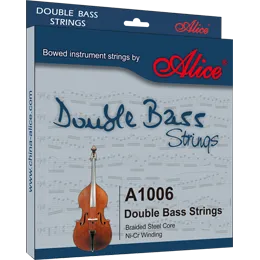






Guitar strings are the heart of your instrument’s sound. They not only produce tone but also directly influence playability and feel. Over time, however, strings can accumulate dirt, sweat, oils, and other debris that dull their tone and shorten their lifespan. Cleaning your guitar strings regularly is essential for maintaining consistent performance and prolonging their life. In this guide, we’ll explore safe and effective ways to clean guitar strings without damaging them, ensuring that your guitar always sounds its best.
Guitar strings may look clean at first glance, but everyday use leaves them coated with residue from your hands. Sweat contains salts that corrode strings, while dirt and oil can build up on the surface, making strings sticky or rough. Dirty strings can lead to:
Dull or muted tone
Difficulty bending and sliding
Faster wear and breakage
Uncomfortable playing experience
Regular cleaning keeps strings smooth, bright, and responsive, reducing the need for frequent replacements and improving overall performance.
Before you start, it’s helpful to have the right guitar accessories. These can make the cleaning process easier and more effective. Common tools include:
Soft microfiber cloths: Non-abrasive and ideal for wiping down strings after each session
String cleaners or conditioners: Liquids that remove grime and protect against corrosion (see our Guitar Accessories page for recommended products)
Lint-free towels: For drying and polishing
Optional: String lubricants to reduce friction and enhance playability (see String Lubricants for details)
Having these tools ready ensures that you can clean your strings thoroughly without risking damage.
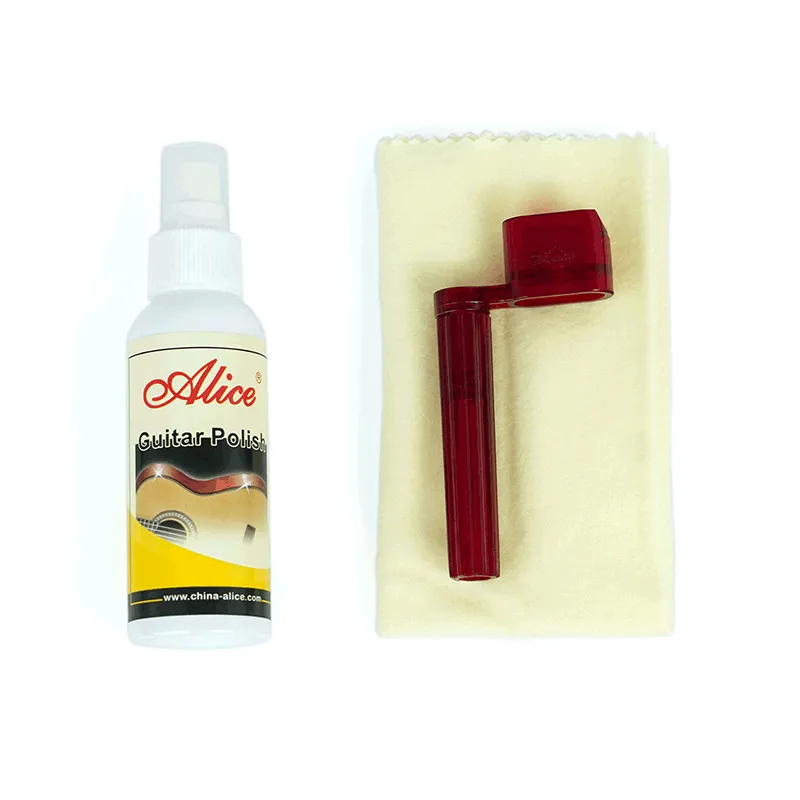
【 Click to learn about the instrument care kit 】
One of the simplest and most effective ways to keep strings clean is to wipe them down after playing. Use a soft microfiber cloth and gently run it along each string from bridge to nut. This removes sweat, oils, and dust before they accumulate.
For a deeper clean, especially when strings have been used extensively, apply a string cleaner or conditioner. These products are formulated to:
Remove stubborn grime and residues
Protect strings from corrosion
Improve smoothness for easier bending
Apply a small amount to a cloth and gently rub each string. Avoid applying liquids directly onto the guitar’s body to prevent damage to the finish.
While cleaning the strings, it’s a good opportunity to clean the frets and fingerboard. Use a dry or lightly dampened cloth to wipe the fretboard, removing built-up oils and dirt. Some players also use a small amount of fretboard conditioner to maintain wood quality.
Coated strings are designed to resist corrosion and grime. They stay cleaner longer and require less frequent maintenance. Using coated strings in combination with regular cleaning extends string life and maintains consistent tone.
Wash your hands before playing: Minimizes sweat and dirt transfer
Store your guitar properly: Use a case or stand to prevent dust buildup
Rotate strings: For heavy users, rotating between different string sets can extend overall lifespan
Avoid excessive moisture: Don’t play in humid environments or with wet hands
Following these practices helps maintain tone, smooth playability, and durability.
Using abrasive materials: Paper towels or rough cloths can scratch strings
Overapplying cleaners: Excess liquid may seep into the guitar and damage wood or electronics
Ignoring string maintenance: Dirty strings quickly lose tone and wear out faster
Consistent and careful cleaning is more effective than occasional heavy scrubbing.
For guitarists seeking durability, tone, and consistency, Alice Guitar Strings offer a professional solution. As a leading guitar strings manufacturer and OEM provider, Alice combines advanced production technology, precision winding, and high-quality materials to create strings trusted by musicians worldwide.
Why Choose Alice Guitar Strings:
Wide range of electric, acoustic, and bass guitar strings
Premium materials including nickel-plated steel, stainless steel, and pure nickel
Hexagonal core for stable tuning and improved sustain
Anti-rust coating for longer lifespan
Compatible with guitar accessories such as string cleaners and lubricants
OEM services for guitar brands, ensuring high-quality production
Whether you are a beginner, hobbyist, or professional guitarist, Alice Guitar Strings deliver superior tone, playability, and reliability, minimizing maintenance while maximizing performance.
Explore Alice Guitar Strings today to enhance your playing experience and protect your investment in quality sound.