
EN
Alice Strings News

News

How to Choose the Right Guitar Strings for Beginners

Release time: 2026-02-24
Views: 23
Share : icon-n1 icon-n2 icon-n3

For many beginners, choosing guitar strings is confusing at first. Gauge numbers, materials, and tensions are usually where questions begin.

Selecting the right guitar strings does not require expert knowledge. A basic understanding of your instrument, playing style, and comfort needs is usually enough.

This guide focuses on how beginners can choose suitable guitar strings, avoid common mistakes, and improve comfort during the early learning stage.


Why Guitar Strings Matter for Beginners

For beginners, guitar strings directly affect:

Playing comfort – Strings that are too heavy can cause finger pain and fatigue

Learning speed – Comfortable strings make chords and transitions easier

Tone clarity – The right strings help beginners hear clean notes and progress faster

In our experience, starting with unsuitable strings often leads to unnecessary finger discomfort and early frustration. Choosing beginner-friendly guitar strings helps new players focus on technique and build confidence.

 

Guitar Strings


Step 1: Identify Your Guitar Type

Before choosing strings, you must know your guitar type. Using the wrong strings can damage the instrument.

Acoustic Guitar

Acoustic guitars require acoustic guitar strings, typically made from bronze or phosphor bronze. These strings are designed to produce natural resonance and projection.

➡ Related guide: Acoustic Guitar Strings

Electric Guitar

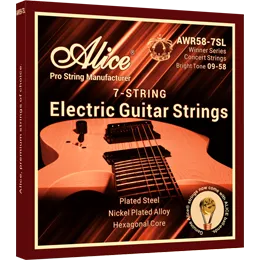
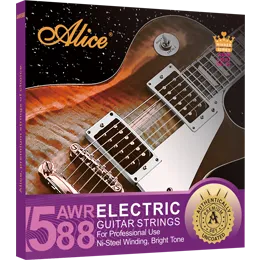
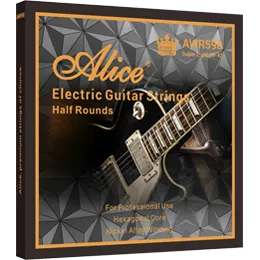
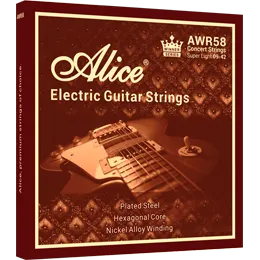
Electric guitars require electric guitar strings, which interact with magnetic pickups. Acoustic strings will not work properly on electric guitars.

➡ Related guide: Electric Guitar Strings

Classical Guitar

Classical guitars use nylon strings, not steel strings. Steel strings can damage classical guitars.

➡ Related guide: Classical Guitar Strings

Step 2: Choose the Right String Gauge

String gauge refers to the thickness of the strings. For beginners, lighter gauges are usually the most comfortable starting point.

Recommended Gauges for Beginners

Acoustic Guitar: Light gauge (.010–.047 or .011–.052)

Electric Guitar: Light gauge (.009–.042 or .010–.046)

Classical Guitar: Normal tension nylon strings

Lighter gauge strings:

Are easier to press down

Reduce finger soreness

Make learning chords easier

Step 3: Understand String Materials

String materials influence both tone and playing feel.

Acoustic Guitar String Materials

Phosphor Bronze – Warm tone, balanced sound, longer lifespan

80/20 Bronze – Bright tone, crisp attack

For beginners, phosphor bronze strings are often more forgiving and versatile across different playing styles.

Electric Guitar String Materials

Nickel-Plated Steel – Balanced tone, smooth feel (ideal for beginners)

Stainless Steel – Brighter tone, higher durability

From a manufacturing and usage perspective, nickel-plated strings are usually the safest starting point for beginners.

Step 4: Consider Tension and Playing Feel

Lower tension strings feel softer under the fingers and help reduce hand fatigue during longer practice sessions. Beginners should avoid high-tension strings until finger strength and calluses gradually develop.

For classical guitars, normal tension nylon strings offer the best balance between comfort and tonal stability.

Step 5: How Often Should Beginners Change Strings?

Beginners should change guitar strings every 2–3 months, or sooner if:

Strings sound dull or lose clarity

Tuning becomes unstable

Visible corrosion or discoloration appears

Fresh strings improve tone consistency and make practice sessions more enjoyable.


Common Beginner Mistakes to Avoid

Choosing heavy gauge strings too early

Using steel strings on classical guitars

Ignoring comfort in favor of volume

Waiting too long to change worn-out strings


Final Tips for Beginners

Start with light gauge strings

Choose beginner-friendly materials

Prioritize comfort over volume

Adjust string types as skills improve

Choosing appropriate guitar strings allows beginners to focus more on technique and long-term playing comfort.


Why Choose Alice Guitar Strings?

Alice Guitar Strings are developed through years of focused string manufacturing experience, with strict control over material selection, winding consistency, and tension balance. Instead of chasing short-term trends, Alice emphasizes stable tone, comfortable playability, and predictable performance—qualities that matter most to beginners and advancing players.

Alice beginner-friendly guitar strings are commonly used in music education and practice environments, where consistency, durability, and comfort are essential for skill development.

➡ Explore the full range of Guitar Strings by Alice


Author
Written by Alice Strings Technical Team
Based on Alice’s guitar string manufacturing experience and long-term feedback from educators and beginner players.


Hot Tags : Guitar String

Relate News

Guitar Strings

How to Clean Guitar Strings Without Damaging Them

Guitar strings are the heart of your instrument’s sound. They not only produce tone but also directly influence playability and feel. Over time, however, strings can accumulate dirt, sweat, oils, and other debris that dull their tone and shorten their lifespan. Cleaning your guitar strings regularly is essential for maintaining consistent performance and prolonging their life. In this guide, we’ll explore safe and effective ways to clean guitar strings without damaging them, ensuring that your guitar always sounds its best.
Guitar String

Common Guitar String Problems and How to Fix Them

Whether you’re a beginner learning your first chords or a touring professional playing night after night, guitar strings are the heart of your tone. But even the best strings can run into problems — from tuning instability to premature breakage. Understanding the most common guitar string issues and knowing how to fix them can keep your instrument sounding its best and help you avoid unnecessary frustration.
guitar strings

Why Your Guitar Strings Keep Breaking (and How to Prevent It)

Discover why guitar strings break and how to prevent it. Learn expert tips from Alice, a leading guitar strings manufacturer and OEM provider.
Acoustic Guitar String

A Beginner’s Guide to Acoustic Guitar Strings

(Everything You Need to Know Before Changing Your First Set) When you first start playing the acoustic guitar, strings may seem like a small detail — but in reality, they’re one of the most critical factors shaping your tone, comfort, and overall playing experience. Choosing the right acoustic guitar strings can make your instrument sound brighter, fuller, and more expressive, while also helping you develop proper technique.
Alice guitar accessories

How to Source High-Quality Guitar Strings: A Complete Buyer’s Guide

As one of the world’s leading guitar strings manufacturer and guitar accessories suppliers, Alice combines decades of expertise with cutting-edge technology to produce strings that meet the highest professional standards. From classical nylon to electric steel and acoustic bronze, Alice Guitar Strings deliver unmatched tone, durability, and playability for musicians of all levels.
acoustic guitar string types

Phosphor Bronze Strings vs. 80/20 Bronze Strings: Which Should You Choose?

When it comes to acoustic guitar strings, two of the most popular choices are phosphor bronze and 80/20 bronze. Both are widely used by guitarists around the world, but they differ in composition, tonal characteristics, durability, and playing applications.
Alice ACU108 Nylon Guitalele Strings

What is the Difference Between Guitar Strings and Guitalele Strings?

While the guitar and guitalele share many similarities, their strings are designed for different purposes. Guitar strings come in nylon, steel, or coated varieties and provide a wide tonal palette suitable for diverse genres. Guitalele strings, usually nylon-based, are tailored for higher tuning, lower tension, and the hybrid sound of this compact instrument.
Guitar Capo

What Is a Guitar Capo Used For?

A guitar capo (pronounced kay-poh) is a small clamp-like device that attaches to the neck of a guitar. Its main purpose is to shorten the playable length of the strings, effectively raising the pitch of the open strings. In simple terms, it acts like a movable nut.
Guitar String gauge

How to Choose the Right Guitar String Gauge: Light, Medium, or Heavy?

One of the most important yet often overlooked aspects of your guitar’s sound and playability is the string gauge—in simple terms, the thickness of the strings. Whether you’re a beginner or a seasoned player, choosing between light, medium, or heavy gauge strings can greatly influence your tone, playing comfort, and technique.
Acoustic Guitar Strings

What Strings Are Best for an Acoustic Guitar?

When it comes to acoustic guitars, the strings you choose can have a dramatic impact on your tone, playability, and overall playing experience. Whether you're a beginner or a professional, understanding the types of acoustic guitar strings available and how they affect your sound is crucial. With so many brands, materials, and gauges to choose from, selecting the best strings can seem overwhelming.
string cutter

How to Change Acoustic Guitar Strings: A Step-by-Step Guide

Whether you're a beginner learning your first chords or a seasoned player preparing for your next gig, changing your acoustic guitar strings is a fundamental skill every guitarist should master. Over time, strings lose their brightness, become harder to tune, and even break. Fresh strings not only improve your guitar’s tone but also enhance your playing experience. This guide walks you through everything you need to know about changing acoustic guitar strings efficiently and safely.
Acoustic Guitar Strings

Electric Guitar Strings vs Acoustic Guitar Strings Difference, and Can Swap Them?

Guitar strings may all look similar to the untrained eye, but the difference between electric and acoustic guitar strings runs deep—both in terms of materials and musical function.
Leave A Message