EN
Alice Strings News
News

Bass Guitar Strings Guide: Roundwound vs Flatwound

Release time: 2026-03-19
Views: 25
Share : icon-n1 icon-n2 icon-n3

Bass guitar strings are a critical factor in shaping tone, feel, and playability. Among all types, roundwound and flatwound strings are the most common, each offering unique characteristics that suit different music styles and player preferences.

This guide explains the differences between roundwound and flatwound bass strings, helps you choose the right type for your instrument and style, and shows how Alice Bass Guitar Strings deliver consistent performance.


learn about Alice string related products
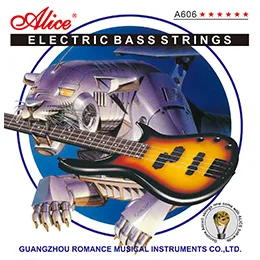

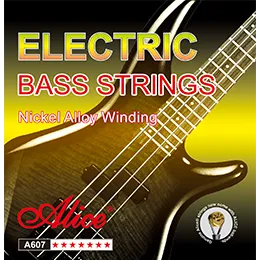
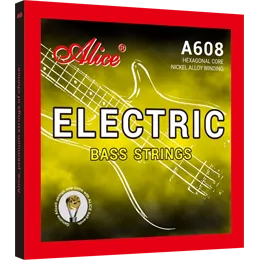
a606 Electric Bass StringsA607 Electric Bass StringsA608 Electric Bass Strings
A606 Electric Bass StringsA607 Electric Bass StringsA608 Electric Bass Strings


Understanding Roundwound and Flatwound Bass Strings

What Are Roundwound Strings?

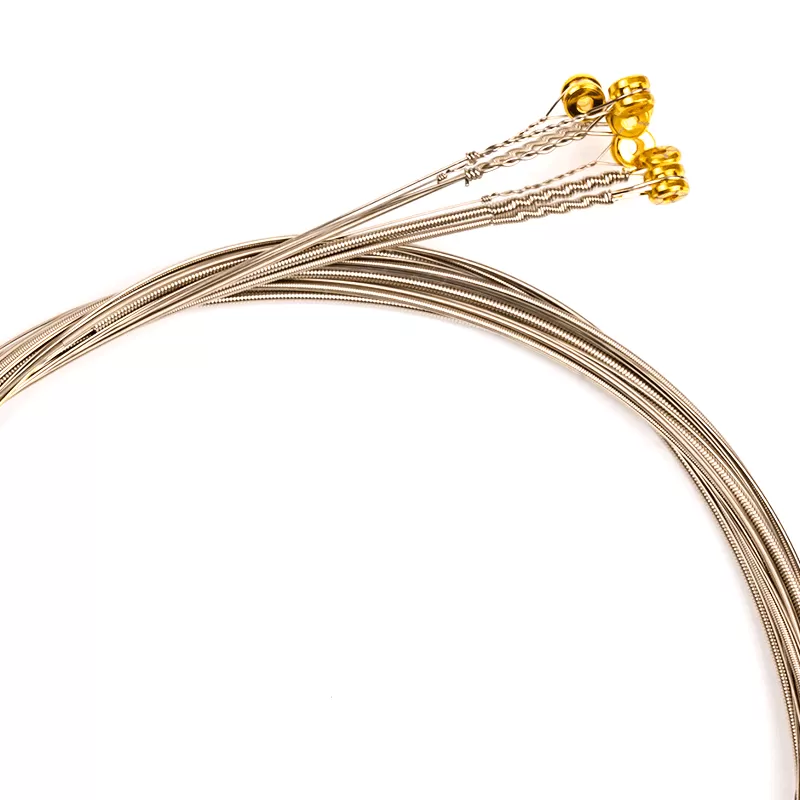
Roundwound strings feature a round wire wrapped around the core, producing a textured surface.

Characteristics:

Bright, punchy tone with strong attack

More sustain and harmonic overtones

Textured feel under fingers

Slightly more finger noise on slides

Best For:

Rock, funk, pop, and slap bass

Players seeking clear articulation and growl

Studio and live performance needing pronounced midrange

What Are Flatwound Strings?

Flatwound strings use a flat ribbon wire wrapped around the core, producing a smooth surface.

Characteristics:

Warm, mellow tone with reduced high-end harshness

Lower finger noise and less fret wear

Smooth feel under fingers

Slightly less sustain compared to roundwound

Best For:

Jazz, Motown, blues, and vintage styles

Players prioritizing smooth slides and subtle articulation

Studio recordings requiring clean, controlled low-end


How Gauge and Tension Affect Bass Tone

String gauge and tension are equally important for tone and comfort:

Light gauge: easier to play, brighter tone, less finger fatigue

Medium gauge: balanced tone, moderate tension, good sustain

Heavy gauge: fuller low-end, more tension, may require finger strength

Roundwound strings often feel slightly stiffer due to their texture, while flatwound strings feel smoother and easier to slide across the fretboard.


Comparing Roundwound vs Flatwound

Feature

Roundwound

Flatwound

Tone

Bright, punchy, harmonically rich

Warm, mellow, smooth

Sustain

High

Moderate

Finger Feel

Textured, slightly rough

Smooth, easy slides

Finger Noise

Noticeable

Minimal

Fret Wear

Moderate

Low

Best For

Rock, funk, pop, slap

Jazz, blues, Motown, vintage


Choosing the Right Bass Strings for Your Style

Rock/Funk/Pop: Roundwound for articulation and punch

Jazz/Blues/Motown: Flatwound for warm, smooth tone

Recording: Roundwound for clarity, flatwound for controlled low-end

Live Performance: Roundwound for projection, flatwound for slide comfort and low noise

Some players even combine different gauges or types for customized response, such as using flatwound for lower strings and roundwound for higher strings.


learn about Alice string related products


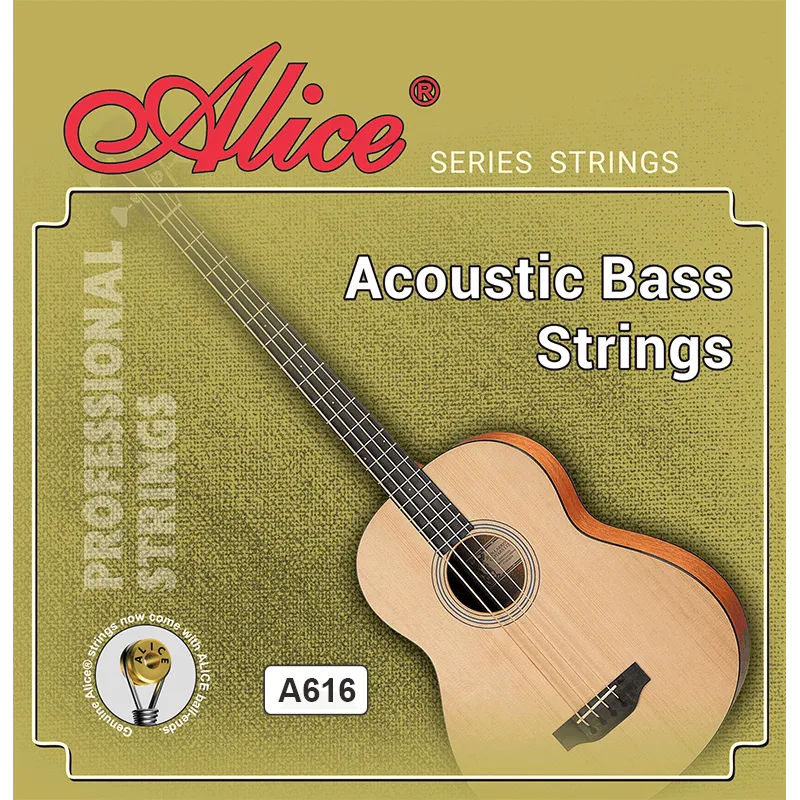
A616 Acoustic Bass Strings

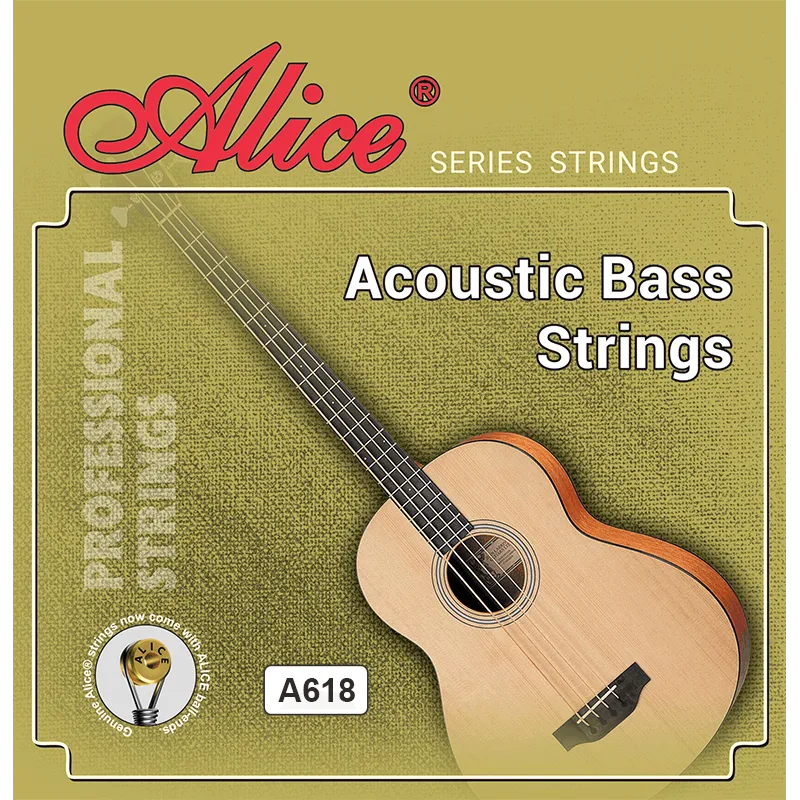
A619 Acoustic Bass StringsA618 Acoustic Bass Strings
A616 Acoustic Bass StringsA619 Acoustic Bass StringsA618 Acoustic Bass Strings


Why Choose Alice Bass Guitar Strings?

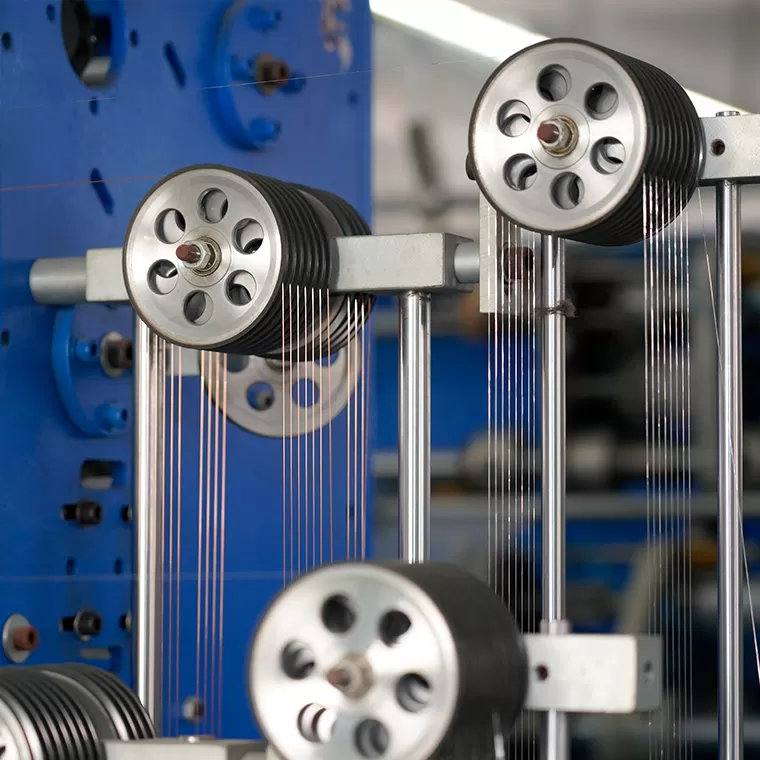
Alice Bass Guitar Strings are manufactured with decades of experience, offering:

Precision winding for consistent tension and tone

Durable materials resistant to corrosion and wear

Smooth feel for comfortable playability

Balanced frequency response for clarity and projection

Trusted by students, educators, and professional bassists, Alice strings provide reliable performance for all music styles, whether you are practicing, recording, or performing live.

➡ Explore Alice Bass Guitar Strings
➡ View the complete Guitar Strings collection


Conclusion

Choosing the right bass strings is essential for achieving your desired tone and feel:

Roundwound: bright, punchy, harmonically rich, ideal for modern styles

Flatwound: warm, smooth, mellow, ideal for vintage and jazz tones

Understanding material, gauge, and tension ensures optimal comfort, tone, and playability. Alice Bass Guitar Strings provide a trusted, high-quality option to match your music style and performance needs.


Author
Written by Alice Strings Technical Team
Based on Alice’s guitar string manufacturing experience and long-term feedback from educators and beginner players.

Hot Tags : Bass Guitar String

Relate News

Nylon vs Steel Guitar Strings

Nylon vs Steel Guitar Strings: Which Is Best for Your Needs?

Nylon strings, traditionally used on classical and flamenco guitars, are made from synthetic materials like nylon or fluorocarbon. They are softer and more flexible than steel strings, which affects both tone and playability.
Electric-guitar-strings

Electric Guitar Strings: Nickel vs Stainless Steel – Which Is Better?

Choosing the right electric guitar strings has a bigger impact on your tone and playing comfort than most beginners expect. Among all materials, nickel and stainless steel strings are the two most popular—and the most debated.
Electric guitar strings AE530

Electric Guitar Strings Gauge Chart and How It Affects Tone – A Complete Guide

Guitar Picks manufacturers

How Guitar Picks Affect Tone – And Why Stocking the Right Types Matters

The guitar pick, or plectrum, is the very first point of contact between the player and the strings. Its material, thickness, shape, and texture each affect how energy is transferred to the strings, shaping the instrument’s tone. Even the slightest change in pick design can alter the warmth, brightness, volume, and articulation of the sound produced.
guitar accessories OEM

Electric Guitar Strings Gauge Chart: A Complete Guide for Guitarists

As a trusted manufacturer offering electric guitar strings for wholesalers and guitar accessories OEM/ODM solutions, Alice provides competitive pricing, bulk availability, and reliable global distribution—supporting music stores, wholesalers, and educational institutions worldwide.
Violin Strings

What Are Violin Strings Made Of?

The violin, one of the most expressive and emotionally captivating instruments, produces its voice through the subtle vibration of its strings. While the bow and the violin body contribute to tone and resonance, it is ultimately the strings that define the instrument’s timbre, playability, and response. A question often asked by both learners and professionals is: What are violin strings made of? The answer involves centuries of evolution, material innovation, and craftsmanship that reflect both tradition and modern technology.
Ukulele Strings

Folk Instrument Strings: Types, Materials & How to Choose the Right Set

Folk music is rich in cultural heritage, emotional storytelling, and sonic diversity. Whether it’s the bright ring of a mandolin, the deep warmth of a bouzouki, or the resonant twang of a banjo, each folk instrument tells its own story—not just through melodies and technique, but through the strings that bring it to life.
Phosphor bronze strings

Which Acoustic Guitar Strings Fit Different Music Styles Best?

When choosing a guitar, most players focus on the body type, wood, or brand—but one of the most underrated factors affecting tone and playability is the type of guitar strings you use. And if you're serious about shaping your sound, matching your string type to your musical style can make a huge difference.
Replace Guitar String

Common Guitar String Problems: How to Fix Tuning Issues, Rust, and String Breakage

Guitar strings are a crucial part of your instrument, directly affecting your tone, tuning stability, and playing experience. However, over time and with regular use, strings can develop various issues such as tuning instability, rust, or even sudden breakage. These problems can be frustrating, especially for beginners, but the good news is—they're often preventable and fixable.
Guitar String

Complete Guide to Guitar String Materials: Which One Is Right for You?

Choosing the right guitar strings is one of the most important decisions a guitarist can make—yet it's often overlooked. Beyond string gauge or brand, the material of the strings plays a crucial role in shaping the tone, feel, and even longevity of your instrument. Whether you play acoustic, electric, or classical guitar, understanding the different types of string materials can help you find the sound and feel that best matches your playing style.
Orchestral Strings

The Complete Guide to Orchestral Strings: Everything You Need to Know

Alice Strings is a trusted global brand offering high-quality orchestral strings for violins, violas, cellos, and double basses. With years of experience in string manufacturing and a dedication to innovation, Alice blends traditional craftsmanship with modern materials to meet the needs of musicians at every level.
classical guitar strings

Inside the Craftsmanship: The Manufacturing Process of Guitar Strings

From selecting the finest raw materials to precision winding and protective coatings, guitar string manufacturing is a sophisticated blend of science and art. Every step influences the final product’s sound, feel, and durability, ensuring musicians can express themselves freely and reliably through their instrument.
Leave A Message