Introduction
Choosing the right guitar strings manufacturer is not just about finding a supplier—it’s about building a long-term partner who can support your brand growth, product consistency, and market expansion.
Whether you are:
· Launching a private label
· Expanding your wholesale business
· Building a distribution network
This guide will help you evaluate manufacturers and make the right sourcing decision.

Step 1: Define Your Business Model
Before selecting a manufacturer, clarify your sourcing strategy:
OEM / Private Label
· Custom branding and packaging
· Higher profit margins
· Requires MOQ commitment
Wholesale / Distribution
· Ready-made products
· Faster to market
· Lower risk
For long-term brand growth, OEM is the preferred option.
Step 2: Evaluate Manufacturing Capability
A reliable manufacturer should have real production capacity, not just trading ability.
Key indicators:
· In-house production lines
· Capability to produce:
o Acoustic guitar strings
o Electric guitar strings
o Classical (nylon) strings
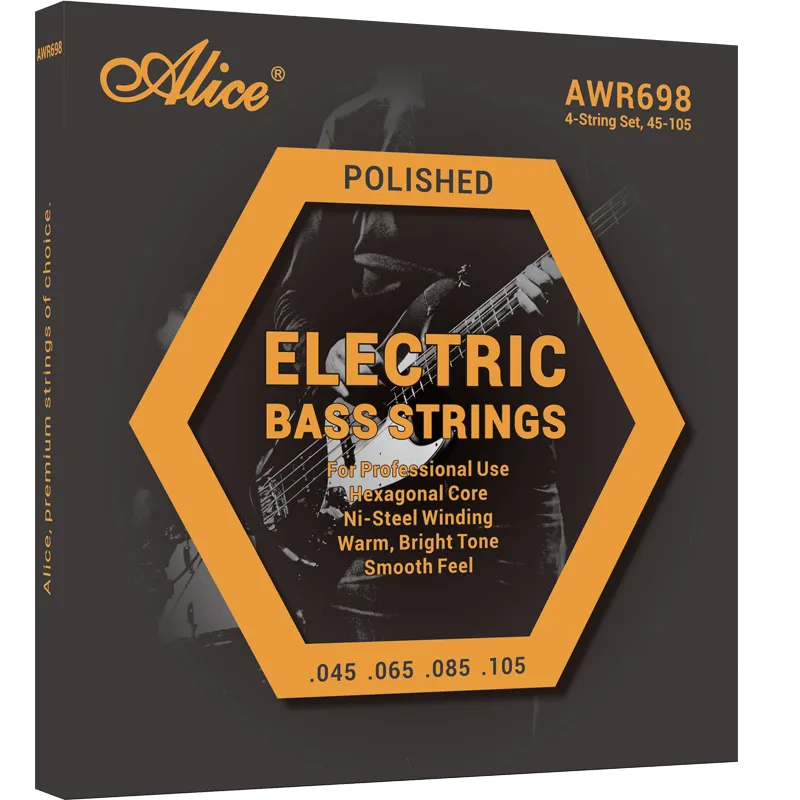
o Bass strings
· Ability to handle bulk orders consistently
Strong manufacturing = stable supply + scalable business
Step 3: Check Product Range (Important for Scaling)
A professional supplier should support multi-category expansion, including:
Core Strings
· Guitar strings (acoustic, electric, classical, bass)
Extended Categories
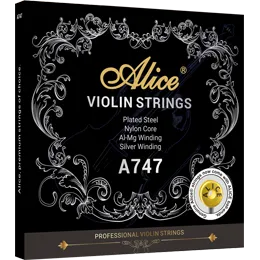
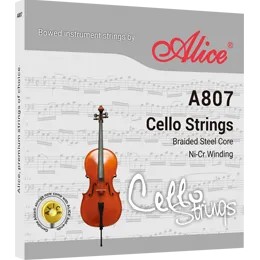
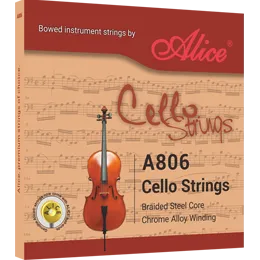
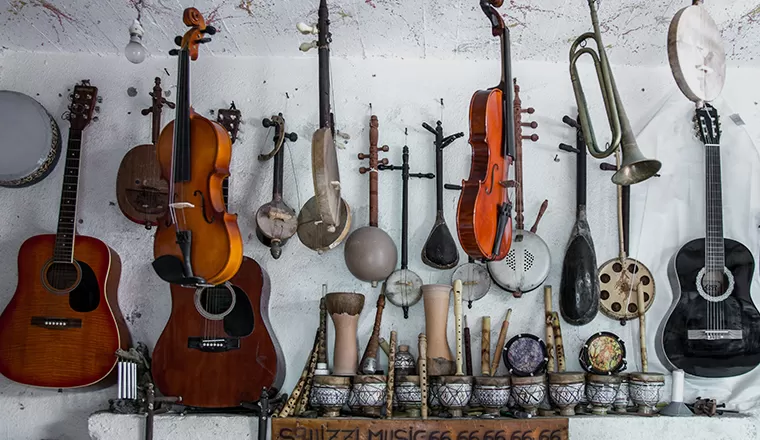
· Orchestral strings (violin, cello)
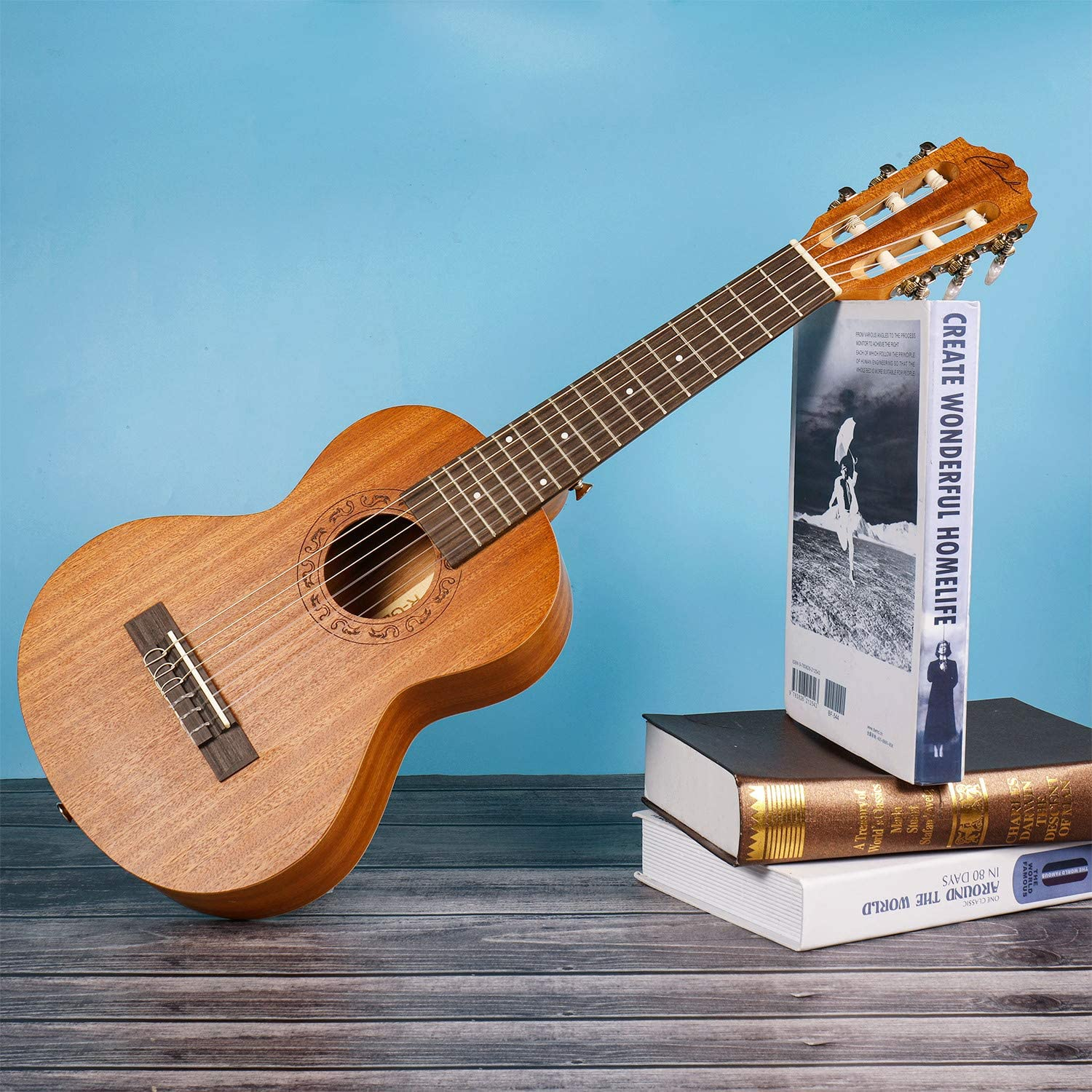
· Folk instrument strings (ukulele, mandolin, banjo)
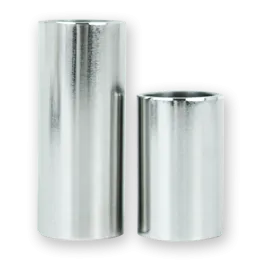
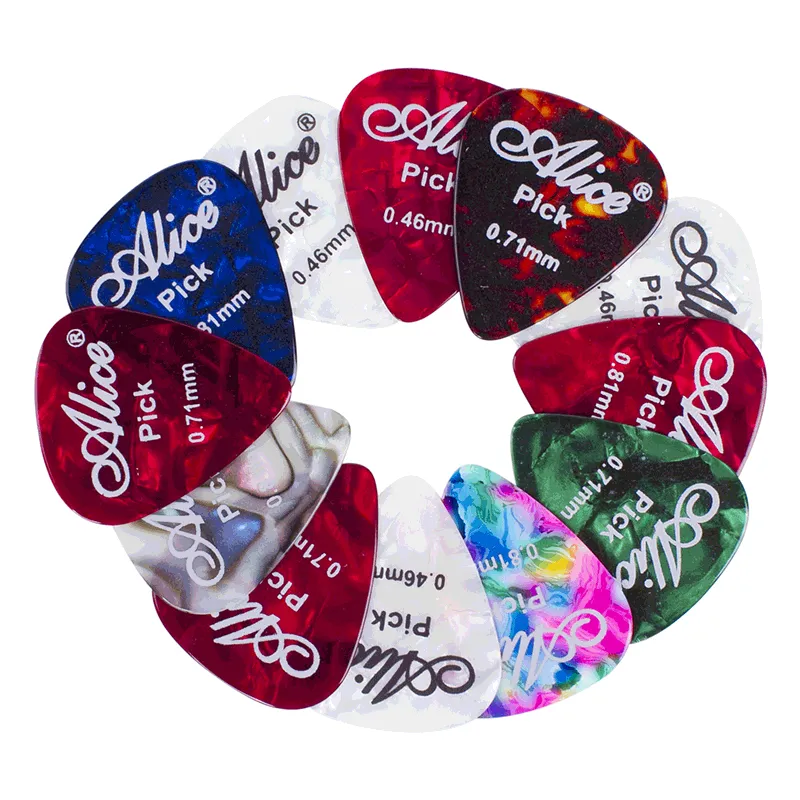
· Accessories (picks, capo, tuning machines)
This allows you to increase average order value (AOV) and expand your product line without changing suppliers.
Step 4: OEM & Customization Capabilities
Customization is key to brand differentiation.
What you should expect:
· Logo printing
· Custom packaging design
· Gauge & tension options
· Material selection:
o Phosphor bronze
o 80/20 bronze
o Nickel plated steel
o Nylon
Ask your supplier:
· What is your MOQ for OEM?
· Do you provide design support?
· Can I get samples before production?
Step 5: Quality Control System
Quality consistency directly affects your brand reputation.
Look for:
· String tension testing
· Anti-rust / corrosion testing
· Coating durability
· Tone consistency
Reliable QC = fewer complaints + higher repeat orders
Step 6: MOQ & Pricing Transparency
Understanding MOQ and pricing helps control your cost and risk.
Typical MOQ:
· MOQ depends on product category and customization level.
· For standard products, MOQ is usually lower, while OEM/custom designs may require higher quantities.
· We support sample orders, mixed orders, and flexible MOQ solutions for long-term partners.
Pricing depends on:
· Material
· Coating technology
· Packaging
· Order volume
Avoid suppliers who cannot clearly explain their pricing structure.
Step 7: Export Experience & Market Insight
An experienced manufacturer understands global markets:
· US: prefers coated strings
· Europe: focuses on quality and consistency
· Southeast Asia: price-sensitive, high-volume
Market knowledge helps you choose the right products to sell.
Step 8: Lead Time & Supply Stability
Reliable delivery ensures smooth inventory management.
Standard timeline:
· Samples: 5–10 days
· Bulk production: 20–35 days
Step 9: Communication & Service
Strong communication reduces errors and improves efficiency.
Evaluate:
· Response speed
· Technical support
· OEM flexibility
· After-sales service
Step 10: Benchmark Against Industry Standards
When evaluating suppliers, you can compare with established brands like
Alice.
Your manufacturer should be able to provide:
· Stable quality
· Consistent tone
· Reliable supply
Why Choose Alice Strings as Your Manufacturer
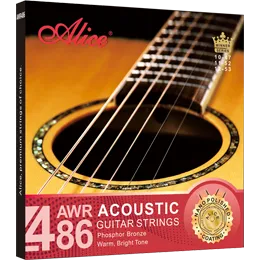
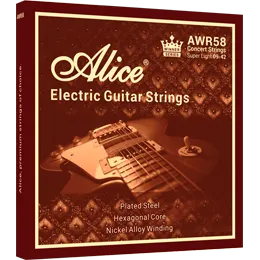
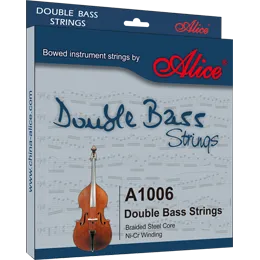
Alice Strings is a professional manufacturer specializing in guitar and musical instrument strings, offering OEM, wholesale, and private label solutions for global distributors and brands.
Our Product Coverage
· Guitar strings (acoustic, electric, classical, bass)
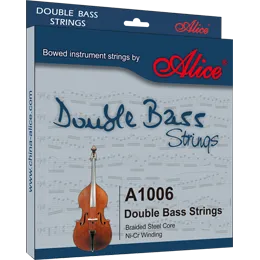
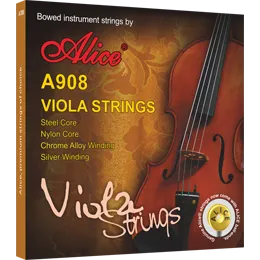
· Orchestral strings (violin, viola, cello, double bass)
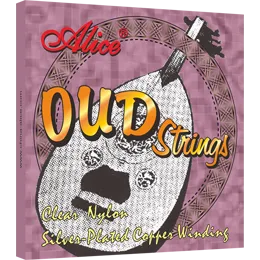
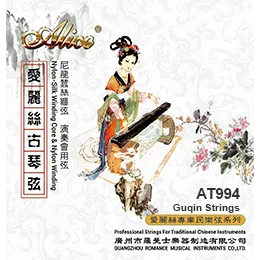
· Folk instrument strings (ukulele, mandolin, banjo, oud)
· Accessories (picks, capo, tuning machines, instrument care)
Manufacturing Strength
· Stable production capacity for large-scale orders
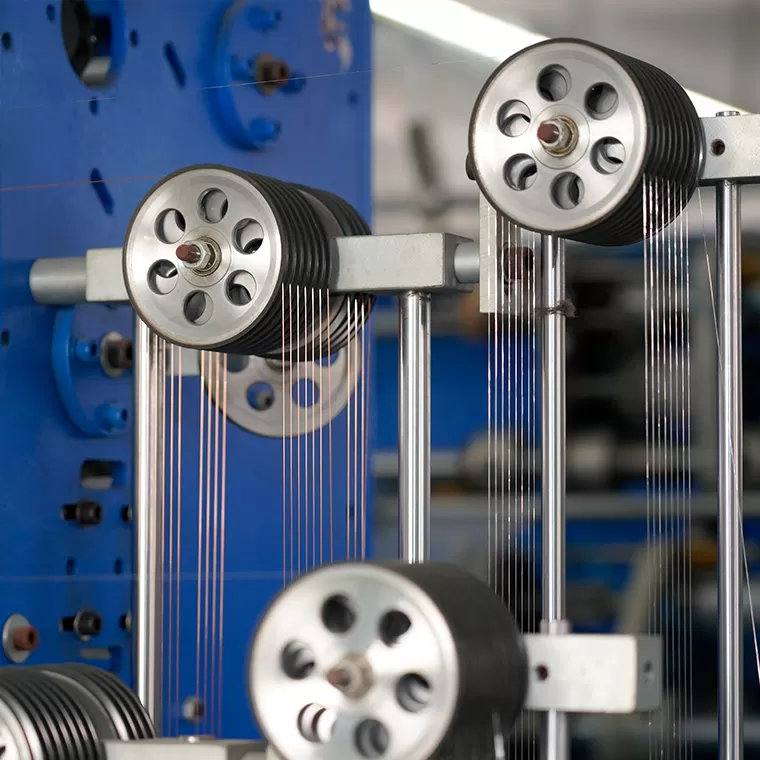
· Advanced string winding and coating technology
· Strict quality control system
· Custom logo & packaging
· Flexible MOQ options
· Full private label support
Global Supply Experience
· Export to multiple international markets
· Understanding of regional product preferences
· Reliable logistics support
With Alice Strings, you get a stable, scalable, and brand-focused manufacturing partner.
Red Flags to Avoid
Avoid suppliers who:
· Cannot provide clear MOQ
· Offer extremely low prices (quality risk)
· Have inconsistent product quality
· Lack export experience
· Respond slowly or unclearly
Conclusion
Choosing the right guitar strings manufacturer is a critical step in building a successful product line.
A reliable partner should offer:
· Strong manufacturing capability
· Flexible OEM solutions
· Consistent quality
· Clear communication
The right supplier will not only deliver products—but also support your long-term growth.
Get OEM & Wholesale Solutions from Alice Strings
Looking for a reliable guitar strings manufacturer?
We can help you with:
✔ OEM & private label solutions
✔ Wholesale pricing & MOQ details
✔ Sample support for quality testing
✔ Product recommendations for your market
Request a Quote Now
· Tell us your product requirements
· Get MOQ and pricing details
· Receive fast response within 48 hours
Contact us today to start building your guitar strings brand with Alice Strings.
FAQ
What is the MOQ for OEM guitar strings?
MOQ depends on product category and customization level.
Can I customize packaging and branding?
Yes, full OEM customization including logo and packaging is available.
How long does production take?
Samples: 5–10 days
Bulk orders: 20–35 days