Guitar strings are the foundation of your instrument’s sound and playability. Whether you are a beginner learning chords, a classical guitarist perfecting fingerstyle, or a rock guitarist chasing bright, punchy tones, the type of strings you choose can dramatically impact your tone, comfort, and overall playing experience. Two of the most common types of guitar strings are nylon strings and steel strings. Each has its unique characteristics, advantages, and drawbacks. Understanding these differences will help you select the right strings for your musical style and instrument.
1. Understanding Nylon Guitar Strings
Nylon strings, traditionally used on classical and flamenco guitars, are made from synthetic materials like nylon or fluorocarbon. They are softer and more flexible than steel strings, which affects both tone and playability.
Advantages of Nylon Strings
Gentle on Fingers: Nylon strings are easier on the fingertips, making them ideal for beginners and long practice sessions.
Warm and Mellow Tone: These strings produce a soft, rich, and full-bodied sound, perfect for classical, jazz, or fingerstyle music.
Lower Tension: Nylon strings require less tension, reducing strain on the guitar neck and bridge.
Disadvantages of Nylon Strings
Less Sustain and Brightness: Compared to steel, nylon strings offer less projection and brilliance, which may not suit rock or metal genres.
Frequent Tuning Adjustments: Nylon strings tend to stretch more initially, requiring repeated tuning after installation.
Limited Compatibility: Not suitable for electric guitars with magnetic pickups.

2. Understanding Steel Guitar Strings
Steel strings are the go-to choice for acoustic and electric guitars, providing a bright, resonant, and powerful sound. They are typically made from materials like nickel-plated steel, stainless steel, or phosphor bronze, depending on the guitar type.
Advantages of Steel Strings
Bright, Crisp Tone: Steel strings offer clarity, articulation, and strong projection, making them ideal for rock, country, blues, and pop music.
Durability: High-quality steel strings resist corrosion and last longer, especially when combined with coatings or advanced alloys.
Dynamic Range: Steel strings respond well to aggressive strumming, fingerpicking, and varied playing techniques.
Disadvantages of Steel Strings
Harder on Fingers: Steel strings require more finger strength and may cause discomfort for beginners or extended practice sessions.
Higher Tension: Steel strings exert more pressure on the guitar neck, which may require periodic setup adjustments.
Noise Sensitivity: Finger noise and squeaks are more noticeable on steel strings, particularly on acoustic guitars.
3. Key Differences Between Nylon and Steel Strings
Feature | Nylon Strings | Steel Strings |
Tone | Warm, mellow, soft | Bright, crisp, resonant |
Tension | Low | Medium to high |
Playability | Gentle, easier on fingers | Harder, requires more strength |
Instrument Compatibility | Classical guitars, flamenco guitars | Acoustic and electric guitars |
Sustain | Shorter | Longer |
Longevity | Moderate | High (especially coated or alloyed strings) |
4. Which Strings Are Right for You?
Choose Nylon Strings If:
You play classical, flamenco, or fingerstyle guitar.
You are a beginner seeking easier playability.
You prefer a warm, soft tone over bright projection.
Choose Steel Strings If:
You play rock, blues, country, or pop.
You need strong projection and dynamic response.
You enjoy aggressive strumming, picking, and fast lead work.
Pro Tip: Many guitarists keep both nylon and steel string guitars in their collection to explore different tonal palettes and techniques.
5. Caring for Your Guitar Strings
Proper maintenance prolongs string life and ensures consistent tone:
Wipe strings after every session to remove sweat and oils.
Store your guitar in a climate-controlled environment using quality guitar accessories like cases or humidifiers.
Consider coated or corrosion-resistant strings for longer lifespan.
Replace strings regularly, based on playing frequency and style.
Alice Nylon Strings
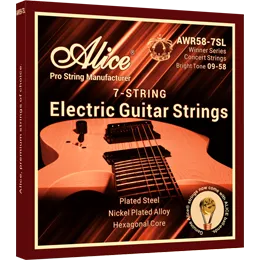
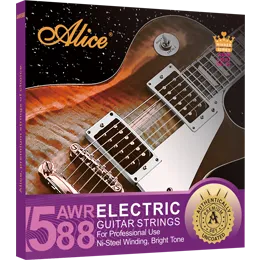
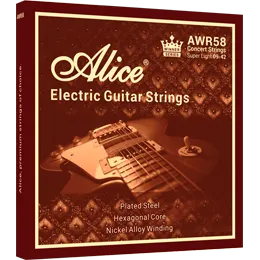
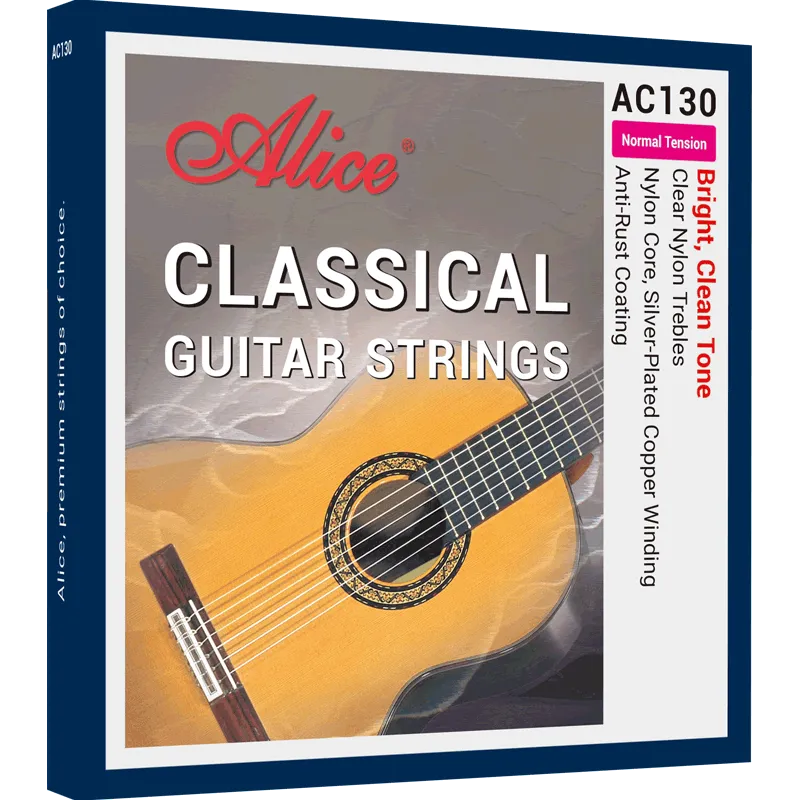
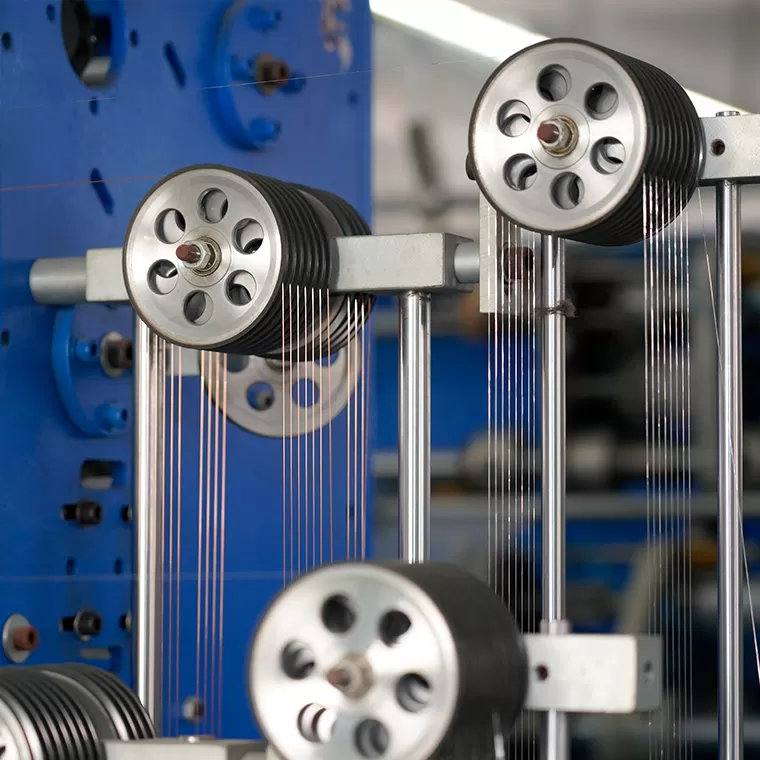
For musicians seeking high-quality nylon strings, Alice Guitar Strings stands out as a trusted guitar strings manufacturer and OEM provider. Known for decades of innovation and reliability, Alice combines advanced materials, precision winding, and strict quality control to produce nylon strings that deliver consistent tone, smooth playability, and long-lasting performance.
Why Choose Alice Nylon Strings:
Wide range of classical and acoustic nylon strings for all skill levels
Hexagonal and round core designs for stable tuning and enhanced sustain
High-quality synthetic materials for bright yet warm tones
Anti-corrosion coatings to prolong string life
Compatible with guitar accessories such as string cleaners and humidifiers
OEM services for music brands, ensuring professional-grade production
Whether you’re a beginner, hobbyist, or professional guitarist, Alice Nylon Strings provide exceptional tone, comfort, and reliability, helping musicians bring their music to life.
Discover Alice Nylon Strings today and elevate your guitar playing experience.
learn about Alice string-related products