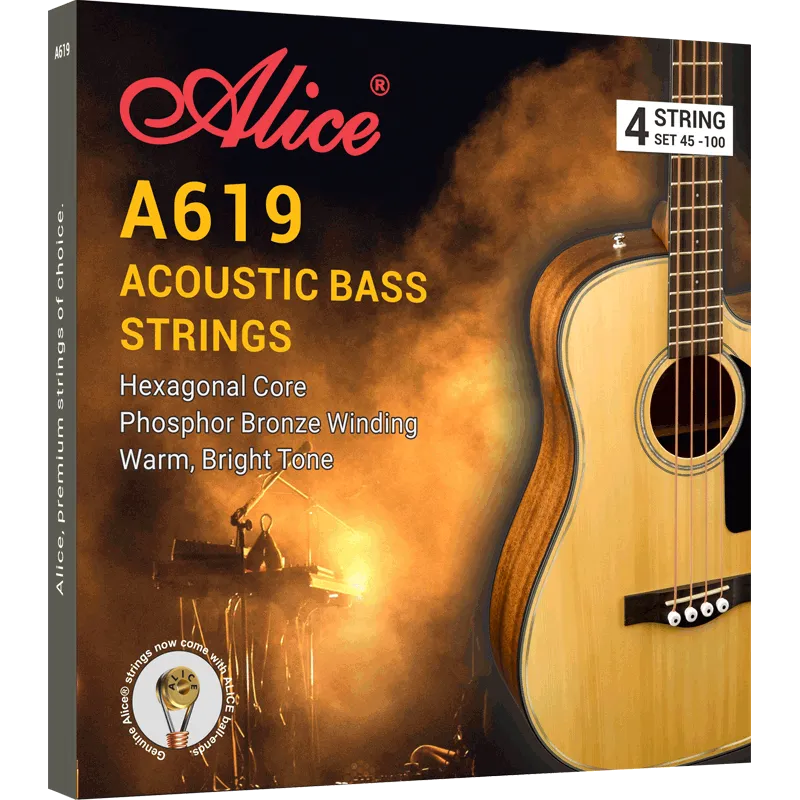

How Long Do Acoustic Bass Strings Last? It's About Tone, Not Just Time
Learn how long acoustic bass strings last, what affects their lifespan, how to recognize signs of wear, and when to replace them.


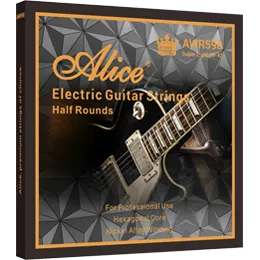
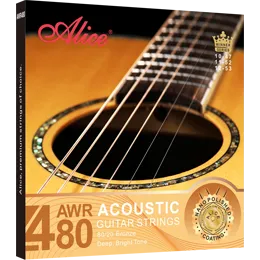
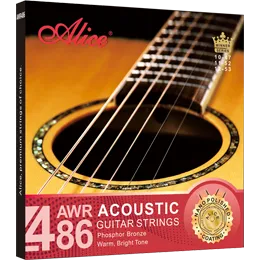
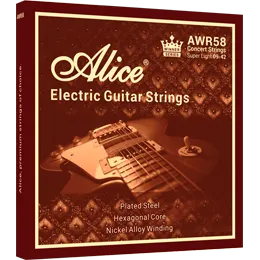
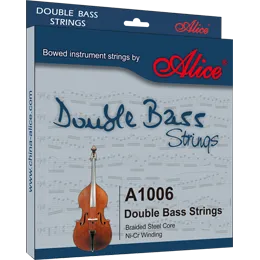
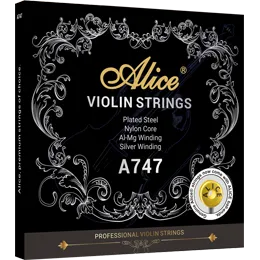
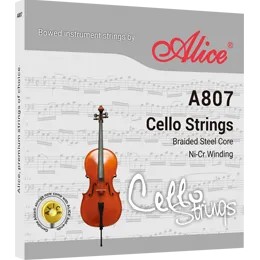


Guitar strings are a critical factor in tone, playability, and overall performance. One of the most common questions among musicians and OEM guitar brands is:
Should you choose coated or uncoated guitar strings?
The answer depends on several factors, including lifespan, tone preference, playing style, and environmental conditions.
In this guide, we break down the real differences between coated and uncoated strings, and help both players and OEM buyers choose the right option.

Coated strings feature a thin protective layer (polymer or nano coating) applied to the string surface.
Key benefits:
· Resist sweat and corrosion
· Extend lifespan
· Reduce maintenance
Uncoated strings are traditional strings without any protective layer.
Key benefits:
· Brighter, more natural tone
· More direct feel
· Lower cost
Feature | Coated Strings | Uncoated Strings |
Lifespan | 2–3× longer | Shorter |
Tone | Slightly warmer | Bright & crisp |
Feel | Smooth | Natural & textured |
Maintenance | Low | High |
Cost | Higher | Lower |
Quick takeaway:
· Choose coated strings for durability and low maintenance
· Choose uncoated strings for maximum tone and affordability
Yes — coated strings typically last 2 to 3 times longer than uncoated strings.
· Coated strings: 2–3 months (regular use)
· Uncoated strings: 2–4 weeks
· Coating prevents oxidation from sweat and humidity
· Reduces dirt buildup between windings
This makes coated strings ideal for:
· Players with sweaty hands
· Humid environments
· Touring or frequent use
This is a common concern — but the answer is:
Not necessarily.
· Coated strings
o Slightly warmer tone
o Smoother high frequencies
o More consistent over time
· Uncoated strings
o Brighter attack
o More “raw” tone
o Preferred for studio precision
Modern nano-coating technology has significantly reduced tone loss, making coated strings suitable even for professional players.
· Want longer string life
· Play frequently or perform live
· Live in humid or high-sweat conditions
· Prefer low maintenance
· Prioritize maximum brightness and tone detail
· Change strings frequently
· Have a limited budget
For OEM brands and distributors, coating technology is a key differentiator.
1. Polymer Coating
· Standard anti-rust protection
· Cost-effective
· Widely used
2. Nano Coating
· Ultra-thin advanced layer
· Minimal impact on tone
· Premium positioning
3. Color Coating
· Custom branding (colors / transparency)
· Visual differentiation in retail
4. Hybrid Solutions
· Coated wound strings + uncoated plain strings
· Balanced tone and durability
OEM Tip:
Highlight “long-lasting” or “coated protection” in product marketing to increase perceived value and pricing power.
· Players with sweaty hands or corrosive sweat
· Musicians performing in humid or outdoor environments
· Players who prefer low maintenance and longer string life
· Gigging or touring musicians who don’t want frequent string changes
· Players who prefer a brighter, more natural tone
· Studio or tone-focused musicians seeking maximum clarity and response
· Players who change strings frequently
· Budget-conscious users or entry-level markets
There is no one-size-fits-all answer.
Many players and brands choose both coated and uncoated strings to balance tone, durability, and cost.
Choosing between coated and uncoated guitar strings comes down to:
· Durability vs tone preference
· Maintenance vs cost
· Player needs vs market positioning
In general:
· Coated strings = longer life, less maintenance
· Uncoated strings = brighter tone, lower cost
For brands, combining both options is the best strategy to cover multiple market segments.
Choosing the right string type can directly impact your product performance, pricing, and customer satisfaction.
Alice String helps you:
· Select the best coated or uncoated solution for your market
· Customize materials, coating types, and packaging
· Develop complete guitar string product lines
Request Free Samples — Compare coated vs uncoated performance
Get OEM Recommendation — Tell us your market, we suggest the best solution
Download Full Catalog — Explore all OEM options
Send us your target price range + customer profile, and we’ll recommend the most suitable coated or uncoated configuration.
Author
Written by Alice Strings Technical Team
Based on manufacturing expertise and long-term feedback from global distributors, educators, and musicians.