


EN
Alice Strings News
News

How String Gauge Affects Guitar Tone and Comfort

Release time: 2026-03-12
Views: 19
Share : icon-n1 icon-n2 icon-n3

The gauge, or thickness, of guitar strings is one of the most important factors influencing both tone and playing comfort. Whether you play acoustic, classical, or electric guitar, understanding string gauge helps you choose strings that match your style, skill level, and musical goals.

This guide explains how string gauge affects sound, playability, and feel, and shows how Alice Guitar Strings optimize gauges for consistent performance across different instruments.


What Is String Gauge?

String gauge refers to the diameter of the string, usually measured in thousandths of an inch. For example, a 0.010 gauge string is 0.010 inches thick.

Light gauge strings: thinner, easier to press and bend

Medium gauge strings: slightly thicker, balanced tone and tension

Heavy gauge strings: thicker, more volume and projection, higher tension

String gauge affects finger pressure, playability, tone, and instrument response, making it critical for beginners and experienced players alike.

 

Guitar Strings


How Gauge Affects Tone

Light Gauge Strings

Produce a brighter and more immediate tone

Less sustain than heavier strings

Suitable for fingerstyle or lead playing where subtle articulation matters

Medium Gauge Strings

Deliver balanced tone with clear articulation and moderate sustain

Offer a compromise between playability and projection

Ideal for versatile players who switch between fingerstyle and strumming

Heavy Gauge Strings

Provide stronger low-end, fuller body, and longer sustain

Require more finger strength and hand control

Popular for strumming, jazz chords, and drop tunings


How Gauge Affects Playing Comfort

Light gauge:

Easier to fret, bend, and vibrato

Ideal for beginners or players with smaller hands

Lower finger fatigue for long sessions

Medium gauge:

Moderate tension, balanced comfort and tone

Suitable for players advancing in technique

Heavy gauge:

Firmer under fingers, more effort required

Can improve precision for advanced players

May cause finger fatigue in beginners


Gauge Considerations by Guitar Type

Guitar Type

Recommended Gauge

Notes

Acoustic

Light (.010–.047) or Medium (.011–.052)

Light gauge eases chord transitions; medium provides more volume

Electric

Light (.009–.042) or Medium (.010–.046)

Light for bends/solos; medium for rhythm and sustain

Classical

Normal tension nylon

Gauge differences are smaller; focus on tension instead

Each guitar type reacts differently to string tension. Heavier strings push the top on acoustics, adding volume and projection, while electric guitars rely on pickups, so gauge primarily affects feel and sustain.


Tips for Choosing the Right Gauge

Consider Your Skill Level

Beginners should start with lighter gauges for comfort

Intermediate and advanced players can experiment with heavier gauges

Think About Your Playing Style

Fingerstyle and intricate solos: lighter gauge

Strumming, chords, and drop tunings: medium or heavy gauge

Balance Tone and Comfort

Lighter strings = easier to play, brighter tone

Heavier strings = more sustain, fuller tone, more finger effort

Experiment with Mixed Gauges

Some players use lighter treble strings and heavier bass strings for customized response


Why Choose Alice Guitar Strings?

Alice Guitar Strings are carefully engineered to provide consistent tension, accurate gauge, and predictable tone. Key benefits include:

Stable tuning and uniform tension across each string set

Smooth feel to reduce finger fatigue

Balanced frequency response for clear tone and projection

Alice strings are trusted by students, educators, and professional musicians, providing comfort and performance for a wide range of playing styles.

➡ Explore Guitar Strings by Alice
➡ View the complete Guitar Strings collection

learn about Alice string-related products


Acoustic Guitar StringsElectric Guitar StringsClassical Guitar Strings
Acoustic Guitar Strings

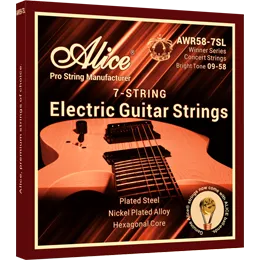
Electric Guitar Strings

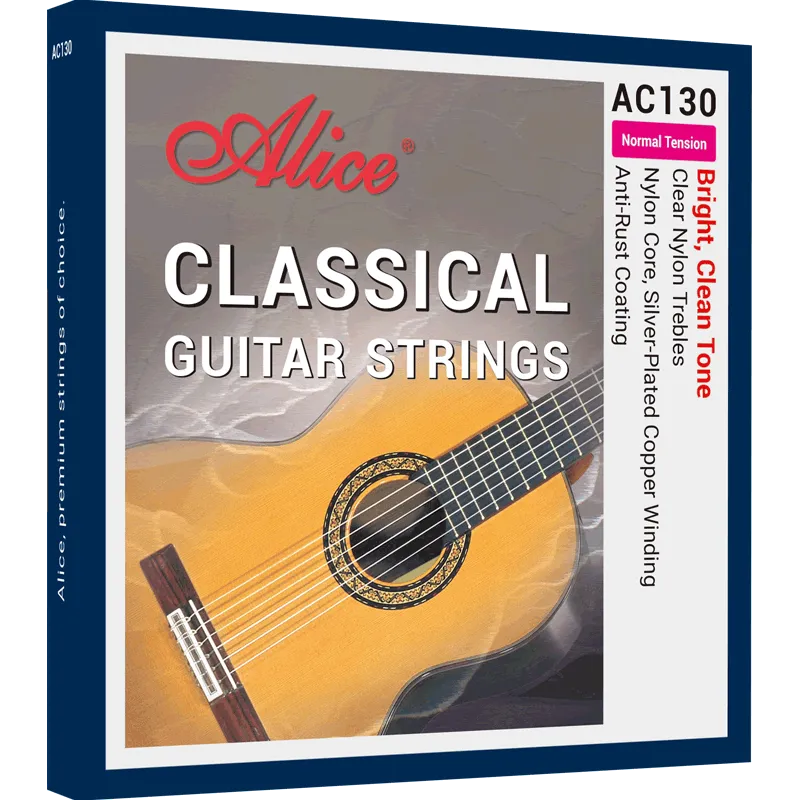
Classical Guitar Strings


Conclusion

String gauge is not just a number—it defines your guitar’s feel, tone, and comfort.

Light gauge: easier to play, brighter tone, less finger fatigue

Medium gauge: balanced playability and tone

Heavy gauge: fuller tone, more sustain, requires finger strength

Understanding how gauge affects your instrument and playing style ensures better tone, longer practice sessions, and more enjoyable performance. Experiment with different gauges, and choose the set that feels and sounds right for you.


Author
Written by Alice Strings Technical Team
Based on Alice’s guitar string manufacturing experience and long-term feedback from educators and beginner players.


Relate News

Guitar Strings

How to Choose the Right Guitar Strings for Beginners

Alice Guitar Strings are developed through years of focused string manufacturing experience, with strict control over material selection, winding consistency, and tension balance. Instead of chasing short-term trends, Alice emphasizes stable tone, comfortable playability, and predictable performance—qualities that matter most to beginners and advancing players.
Guitar Strings

How to Clean Guitar Strings Without Damaging Them

Guitar strings are the heart of your instrument’s sound. They not only produce tone but also directly influence playability and feel. Over time, however, strings can accumulate dirt, sweat, oils, and other debris that dull their tone and shorten their lifespan. Cleaning your guitar strings regularly is essential for maintaining consistent performance and prolonging their life. In this guide, we’ll explore safe and effective ways to clean guitar strings without damaging them, ensuring that your guitar always sounds its best.
Guitar String

Common Guitar String Problems and How to Fix Them

Whether you’re a beginner learning your first chords or a touring professional playing night after night, guitar strings are the heart of your tone. But even the best strings can run into problems — from tuning instability to premature breakage. Understanding the most common guitar string issues and knowing how to fix them can keep your instrument sounding its best and help you avoid unnecessary frustration.
guitar strings

Why Your Guitar Strings Keep Breaking (and How to Prevent It)

Discover why guitar strings break and how to prevent it. Learn expert tips from Alice, a leading guitar strings manufacturer and OEM provider.
Acoustic Guitar String

A Beginner’s Guide to Acoustic Guitar Strings

(Everything You Need to Know Before Changing Your First Set) When you first start playing the acoustic guitar, strings may seem like a small detail — but in reality, they’re one of the most critical factors shaping your tone, comfort, and overall playing experience. Choosing the right acoustic guitar strings can make your instrument sound brighter, fuller, and more expressive, while also helping you develop proper technique.
Alice guitar accessories

How to Source High-Quality Guitar Strings: A Complete Buyer’s Guide

As one of the world’s leading guitar strings manufacturer and guitar accessories suppliers, Alice combines decades of expertise with cutting-edge technology to produce strings that meet the highest professional standards. From classical nylon to electric steel and acoustic bronze, Alice Guitar Strings deliver unmatched tone, durability, and playability for musicians of all levels.
acoustic guitar string types

Phosphor Bronze Strings vs. 80/20 Bronze Strings: Which Should You Choose?

When it comes to acoustic guitar strings, two of the most popular choices are phosphor bronze and 80/20 bronze. Both are widely used by guitarists around the world, but they differ in composition, tonal characteristics, durability, and playing applications.
Alice ACU108 Nylon Guitalele Strings

What is the Difference Between Guitar Strings and Guitalele Strings?

While the guitar and guitalele share many similarities, their strings are designed for different purposes. Guitar strings come in nylon, steel, or coated varieties and provide a wide tonal palette suitable for diverse genres. Guitalele strings, usually nylon-based, are tailored for higher tuning, lower tension, and the hybrid sound of this compact instrument.
Guitar Capo

What Is a Guitar Capo Used For?

A guitar capo (pronounced kay-poh) is a small clamp-like device that attaches to the neck of a guitar. Its main purpose is to shorten the playable length of the strings, effectively raising the pitch of the open strings. In simple terms, it acts like a movable nut.
Guitar String gauge

How to Choose the Right Guitar String Gauge: Light, Medium, or Heavy?

One of the most important yet often overlooked aspects of your guitar’s sound and playability is the string gauge—in simple terms, the thickness of the strings. Whether you’re a beginner or a seasoned player, choosing between light, medium, or heavy gauge strings can greatly influence your tone, playing comfort, and technique.
Acoustic Guitar Strings

What Strings Are Best for an Acoustic Guitar?

When it comes to acoustic guitars, the strings you choose can have a dramatic impact on your tone, playability, and overall playing experience. Whether you're a beginner or a professional, understanding the types of acoustic guitar strings available and how they affect your sound is crucial. With so many brands, materials, and gauges to choose from, selecting the best strings can seem overwhelming.
string cutter

How to Change Acoustic Guitar Strings: A Step-by-Step Guide

Whether you're a beginner learning your first chords or a seasoned player preparing for your next gig, changing your acoustic guitar strings is a fundamental skill every guitarist should master. Over time, strings lose their brightness, become harder to tune, and even break. Fresh strings not only improve your guitar’s tone but also enhance your playing experience. This guide walks you through everything you need to know about changing acoustic guitar strings efficiently and safely.
Leave A Message