
Bass Strings vs Guitar Strings: Key Differences Explained
Bass strings vs guitar strings: learn the key differences in thickness, scale length, tension, construction, tone, and compatibility, and find out if they can be used interchangeably.




By Alice String — Trusted OEM Guitar String Supplier
For retailers, stocking the right quantity and type of guitar strings is critical to maximize sales, minimize inventory risk, and satisfy customer demand. This guide covers market segmentation, best-selling gauges, string types, MOQ suggestions, and seasonal demand patterns.
Understanding your customer base helps determine inventory strategy:
Beginners / Students: Affordable sets, common gauges, acoustic and electric
Intermediate Players: Mid-range brands, coated strings, specialized gauges
Professional / Touring Musicians: Premium strings, Phosphor Bronze, nickel-plated, stainless steel
Retailers should analyze local demand and online sales data to optimize stock levels.
Related Article: How to Choose the Right Guitar String Manufacturer in China
Gauge affects playability, tone, and customer preference:
Gauge Type | Specific Specs (Acoustic / Electric) | Target Players | Recommended Stock % |
Extra Light | .010 - .047 (Acoustic) / .009 - .042 (Electric) | Beginners, fingerstyle, students | 25% |
Light | .011 - .052 (Acoustic) / .010 - .046 (Electric) | Most common, all-rounder players | 35% |
Medium | .012 - .053 (Acoustic) / .011 - .048 (Electric) | Intermediate, heavy strummers | 25% |
Heavy / Specialty | .013 - .056+ (Acoustic) / 7/8-String Sets | Professionals, drop-tunings | 15% |
Tip: Include a mix of light and medium sets, as these account for the majority of sales.
3.1 Acoustic Guitar Strings
Phosphor Bronze or 80/20 Bronze
Best-selling: Light and Medium gauges
Coated vs Uncoated options for longevity
3.2 Electric Guitar Strings
Nickel-plated Steel or Stainless Steel
Best-selling: Light and Medium gauges
Coated strings for anti-rust / touring use
3.3 Classical / Nylon Strings
Nylon trebles + Silver-plated copper basses
Medium tension preferred
Popular for students and classical guitarists
Recommendation: Retailers should allocate 40% acoustic, 40% electric, 20% nylon of total stock, adjusted by local demand.
Related Article: Phosphor Bronze vs 80/20 Bronze Strings — OEM Manufacturing Differences
When purchasing wholesale:
Order Type | Suggested MOQ |
Trial Stock | 100–500 sets per gauge/type |
Standard Reorder | 500–2,000 sets per gauge/type |
Large Distributor | 2,000+ sets per type |
Tip: Start with smaller quantities for less popular gauges to avoid overstock, and gradually scale up based on sales.
Back-to-School (August–September): Spike in student purchases (light acoustic / nylon strings)
Holiday Season (November–December): Increased gift buying, mid-range and premium strings
Summer & Spring: Touring season, higher demand for electric and coated strings
New Product Launches: OEM brands may release new coatings or color strings that temporarily increase demand
Tip: Monitor sales data and plan reorders in advance to maintain stock during peak seasons.
Retailers can maximize sales and reduce stockouts by:
Segmenting customers and understanding demand
Stocking a balanced mix of gauges and types
Following MOQ recommendations
Planning inventory around seasonal trends
Alice String provides OEM and wholesale solutions for acoustic, electric, and classical guitar strings with flexible MOQ, high-quality material, and customized packaging options.
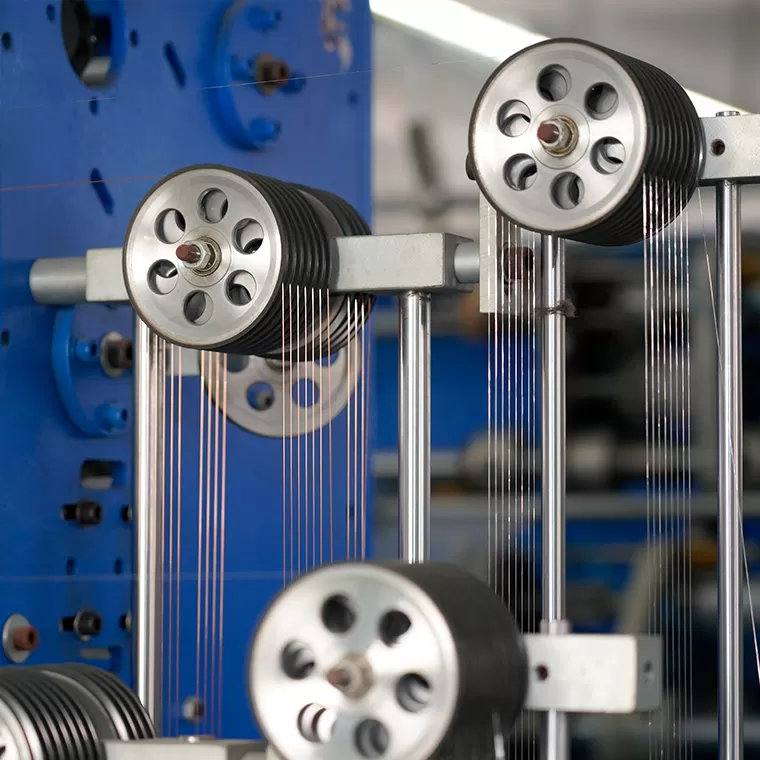
As a global leading guitar string manufacturer with over 20 years of OEM/ODM expertise, Alice Strings helps retailers and distributors worldwide build profitable string brands. We operate a 30,000+ sqm modernized factory equipped with automated winding machines to ensure absolute tone consistency and rust-resistance.
Flexible MOQ: Low barrier to entry for trial orders and custom gauges.
Full-Category Supply: One-stop wholesale for Acoustic, Electric, Classical, Bass, and Ukulele strings.
Premium Materials: Specialized high-carbon steel cores, multi-layer nano-coatings, and silver-plated copper alloys.
Ready to Optimize Your Inventory?
[ Learn Our Wholesale Catalog & Bulk Pricing]
[ Request Free Sample Sets for Testing]
Author
Written by Alice Strings Technical Team
Based on Alice’s guitar string manufacturing experience and long-term feedback from educators and beginner players.