How to Choose a Guitar Strings Manufacturer for Your Brand
Introduction
Choosing the right guitar strings manufacturer is not just about finding a supplier—it’s about building a long-term partner who can support your brand growth, product consistency, and market expansion.
Whether you are:
· Launching a private label
· Expanding your wholesale business
· Building a distribution network
This guide will help you evaluate manufacturers and make the right sourcing decision.

Step 1: Define Your Business Model
Before selecting a manufacturer, clarify your sourcing strategy:
OEM / Private Label
· Custom branding and packaging
· Higher profit margins
· Requires MOQ commitment
Wholesale / Distribution
· Ready-made products
· Faster to market
· Lower risk
For long-term brand growth, OEM is the preferred option.
Step 2: Evaluate Manufacturing Capability
A reliable manufacturer should have real production capacity, not just trading ability.
Key indicators:
· In-house production lines
· Capability to produce:
o Acoustic guitar strings
o Electric guitar strings
o Classical (nylon) strings
o Bass strings
· Ability to handle bulk orders consistently
Strong manufacturing = stable supply + scalable business
Step 3: Check Product Range (Important for Scaling)
A professional supplier should support multi-category expansion, including:
Core Strings
· Guitar strings (acoustic, electric, classical, bass)
Extended Categories
· Orchestral strings (violin, cello)
· Folk instrument strings (ukulele, mandolin, banjo)
· Accessories (picks, capo, tuning machines)
This allows you to increase average order value (AOV) and expand your product line without changing suppliers.
Step 4: OEM & Customization Capabilities
Customization is key to brand differentiation.
What you should expect:
· Logo printing
· Custom packaging design
· Gauge & tension options
· Material selection:
o Phosphor bronze
o 80/20 bronze
o Nickel plated steel
o Nylon
Ask your supplier:
· What is your MOQ for OEM?
· Do you provide design support?
· Can I get samples before production?
Step 5: Quality Control System
Quality consistency directly affects your brand reputation.
Look for:
· String tension testing
· Anti-rust / corrosion testing
· Coating durability
· Tone consistency
Reliable QC = fewer complaints + higher repeat orders
Step 6: MOQ & Pricing Transparency
Understanding MOQ and pricing helps control your cost and risk.
Typical MOQ:
· MOQ depends on product category and customization level.
· For standard products, MOQ is usually lower, while OEM/custom designs may require higher quantities.
· We support sample orders, mixed orders, and flexible MOQ solutions for long-term partners.
Pricing depends on:
· Material
· Coating technology
· Packaging
· Order volume
Avoid suppliers who cannot clearly explain their pricing structure.
Step 7: Export Experience & Market Insight
An experienced manufacturer understands global markets:
· US: prefers coated strings
· Europe: focuses on quality and consistency
· Southeast Asia: price-sensitive, high-volume
Market knowledge helps you choose the right products to sell.
Step 8: Lead Time & Supply Stability
Reliable delivery ensures smooth inventory management.
Standard timeline:
· Samples: 5–10 days
· Bulk production: 20–35 days
Step 9: Communication & Service
Strong communication reduces errors and improves efficiency.
Evaluate:
· Response speed
· Technical support
· OEM flexibility
· After-sales service
Step 10: Benchmark Against Industry Standards
When evaluating suppliers, you can compare with established brands like
Alice.
Your manufacturer should be able to provide:
· Stable quality
· Consistent tone
· Reliable supply
Why Choose Alice Strings as Your Manufacturer
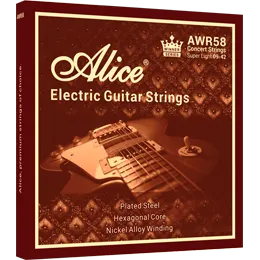
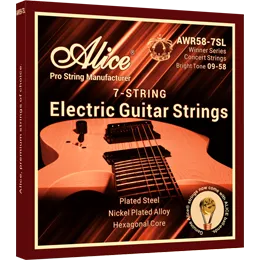
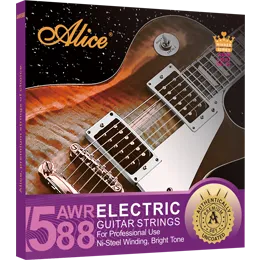
Alice Strings is a professional manufacturer specializing in guitar and musical instrument strings, offering OEM, wholesale, and private label solutions for global distributors and brands.
Our Product Coverage
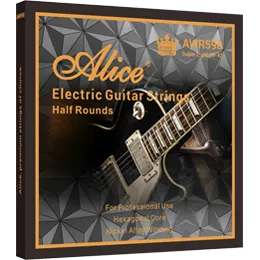
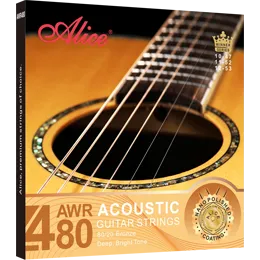
· Guitar strings (acoustic, electric, classical, bass)
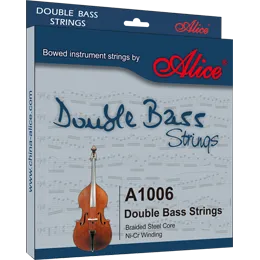
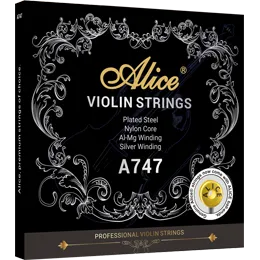
· Orchestral strings (violin, viola, cello, double bass)
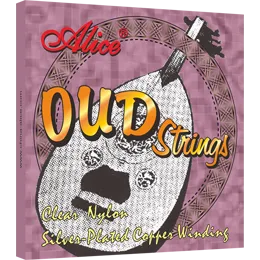
· Folk instrument strings (ukulele, mandolin, banjo, oud)
· Accessories (picks, capo, tuning machines, instrument care)
Manufacturing Strength
· Stable production capacity for large-scale orders
· Advanced string winding and coating technology
· Strict quality control system
OEM & Customization
· Custom logo & packaging
· Flexible MOQ options
· Full private label support
Global Supply Experience
· Export to multiple international markets
· Understanding of regional product preferences
· Reliable logistics support
With Alice Strings, you get a stable, scalable, and brand-focused manufacturing partner.
Red Flags to Avoid
Avoid suppliers who:
· Cannot provide clear MOQ
· Offer extremely low prices (quality risk)
· Have inconsistent product quality
· Lack export experience
· Respond slowly or unclearly
Conclusion
Choosing the right guitar strings manufacturer is a critical step in building a successful product line.
A reliable partner should offer:
· Strong manufacturing capability
· Flexible OEM solutions
· Consistent quality
· Clear communication
The right supplier will not only deliver products—but also support your long-term growth.
Get OEM & Wholesale Solutions from Alice Strings
Looking for a reliable guitar strings manufacturer?
We can help you with:
✔ OEM & private label solutions
✔ Wholesale pricing & MOQ details
✔ Sample support for quality testing
✔ Product recommendations for your market
Request a Quote Now
· Tell us your product requirements
· Get MOQ and pricing details
· Receive fast response within 48 hours
Contact us today to start building your guitar strings brand with Alice Strings.
FAQ
What is the MOQ for OEM guitar strings?
MOQ depends on product category and customization level.
Can I customize packaging and branding?
Yes, full OEM customization including logo and packaging is available.
How long does production take?
Samples: 5–10 days
Bulk orders: 20–35 days
Relate News
-
Explore the technical and manufacturing differences between Phosphor Bronze and 80/20 Bronze guitar strings. From material science and production complexity to cost analysis and coating requirements, Alice Strings provides professional OEM/ODM insights for global music brands and distributors. -

Why Choose Alice Strings as Your Guitar Strings OEM Partner?
Looking for a reliable guitar strings OEM manufacturer? This guide explains how Alice Strings helps brands, distributors, and eCommerce sellers develop custom guitar strings with flexible MOQ, private label options, and stable global supply. -

Bass Guitar Strings Guide: Roundwound vs Flatwound
learn about differences between roundwound and flatwound bass strings, helps you choose the right type for your instrument and style, and shows how Alice Bass Guitar Strings deliver consistent performance. -

Nylon vs Steel Guitar Strings: Which Is Best for Your Needs?
Nylon strings, traditionally used on classical and flamenco guitars, are made from synthetic materials like nylon or fluorocarbon. They are softer and more flexible than steel strings, which affects both tone and playability. -

Electric Guitar Strings: Nickel vs Stainless Steel – Which Is Better?
Choosing the right electric guitar strings has a bigger impact on your tone and playing comfort than most beginners expect. Among all materials, nickel and stainless steel strings are the two most popular—and the most debated. -

Electric Guitar Strings Gauge Chart and How It Affects Tone – A Complete Guide
-

How Guitar Picks Affect Tone – And Why Stocking the Right Types Matters
The guitar pick, or plectrum, is the very first point of contact between the player and the strings. Its material, thickness, shape, and texture each affect how energy is transferred to the strings, shaping the instrument’s tone. Even the slightest change in pick design can alter the warmth, brightness, volume, and articulation of the sound produced. -

Electric Guitar Strings Gauge Chart: A Complete Guide for Guitarists
As a trusted manufacturer offering electric guitar strings for wholesalers and guitar accessories OEM/ODM solutions, Alice provides competitive pricing, bulk availability, and reliable global distribution—supporting music stores, wholesalers, and educational institutions worldwide. -

What Are Violin Strings Made Of?
The violin, one of the most expressive and emotionally captivating instruments, produces its voice through the subtle vibration of its strings. While the bow and the violin body contribute to tone and resonance, it is ultimately the strings that define the instrument’s timbre, playability, and response. A question often asked by both learners and professionals is: What are violin strings made of? The answer involves centuries of evolution, material innovation, and craftsmanship that reflect both tradition and modern technology. -

Folk Instrument Strings: Types, Materials & How to Choose the Right Set
Folk music is rich in cultural heritage, emotional storytelling, and sonic diversity. Whether it’s the bright ring of a mandolin, the deep warmth of a bouzouki, or the resonant twang of a banjo, each folk instrument tells its own story—not just through melodies and technique, but through the strings that bring it to life. -

Which Acoustic Guitar Strings Fit Different Music Styles Best?
When choosing a guitar, most players focus on the body type, wood, or brand—but one of the most underrated factors affecting tone and playability is the type of guitar strings you use. And if you're serious about shaping your sound, matching your string type to your musical style can make a huge difference. -

Common Guitar String Problems: How to Fix Tuning Issues, Rust, and String Breakage
Guitar strings are a crucial part of your instrument, directly affecting your tone, tuning stability, and playing experience. However, over time and with regular use, strings can develop various issues such as tuning instability, rust, or even sudden breakage. These problems can be frustrating, especially for beginners, but the good news is—they're often preventable and fixable.