



Bass Strings vs Guitar Strings: Key Differences Explained
Bass strings vs guitar strings: learn the key differences in thickness, scale length, tension, construction, tone, and compatibility, and find out if they can be used interchangeably.


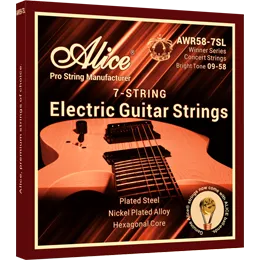
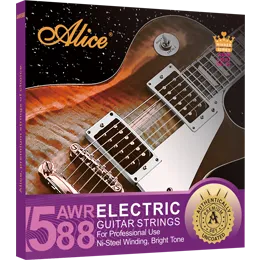
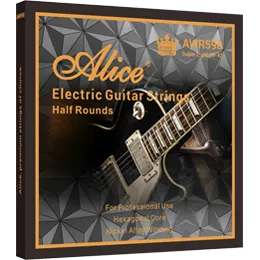

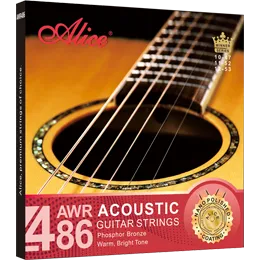
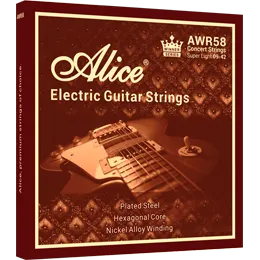

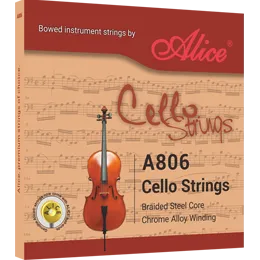


As a bass player, choosing the right strings for the electric bass guitar is a crucial decision that will impact the guitar’s tone, playability, and overall performance. With so many available options, picking the perfect strings that suit bass player needs can be overwhelming. This article will discuss what to consider before choosing electric bass strings.

Materials
The material used in constructing bass strings plays a vital role in determining their tone and playability. The most common materials used in electric bass strings are nickel-plated steel, stainless steel, and pure nickel. Nickel-plated steel strings have a bright, articulate tone with a smooth feel, making them an excellent choice for rock and pop music. On the other hand, stainless steel strings have a bright and punchy sound and are ideal for heavy metal and hard rock. Pure nickel strings have a warmer and more vintage sound, making them an excellent choice for blues and jazz music.
Gauge
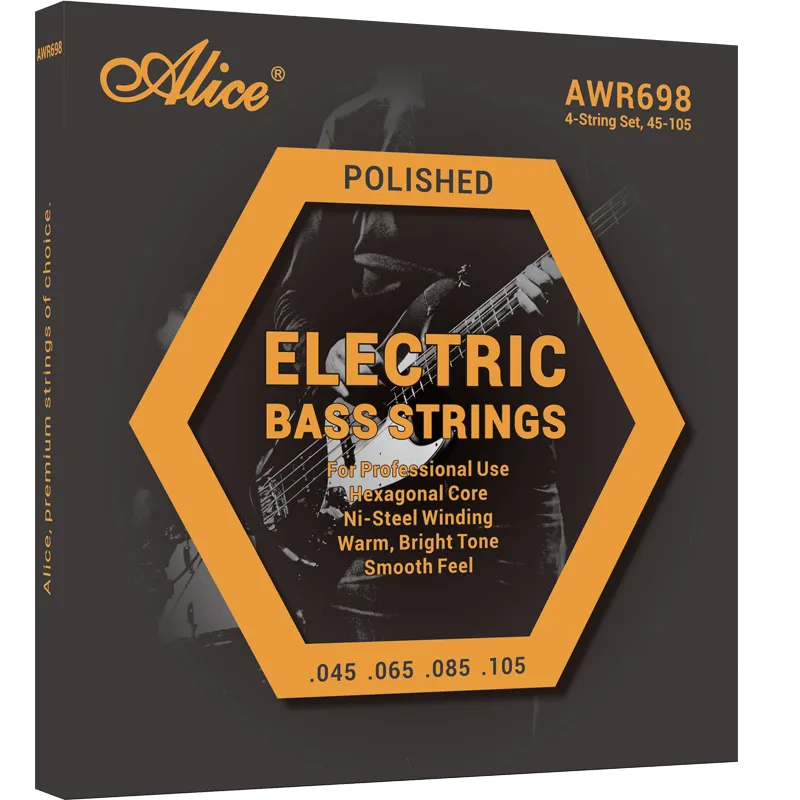
Gauge refers to the thickness of the strings, which affects the tension and feel of the strings. The most common gauge for electric bass strings is the medium gauge, which ranges from .045 to .105. Lighter gauge strings have less tension and are easier to play but may lack the low-end punch and sustain that heavier strings provide. Heavy gauge strings have more tension and produce a thicker sound with more sustain, but they can be harder to play.
Coating
Coated strings have a thin layer of polymer or other material applied to the strings to protect them from corrosion and extend their lifespan. Coated strings have a longer lifespan and retain their tone for a more extended period than uncoated strings. However, coated strings can be more expensive and may have a slightly different tone and feel than uncoated strings.
Brand and Price
The brand and price of electric bass strings can also influence the decision. High-end strings from reputable brands may offer better quality, tone, and durability than cheaper options. However, expensive strings may not always be best for playing style and preferences. Experimenting with different brands and price ranges is essential to find the right strings.
Here is some electric bass strings recommendation!
Guangzhou Romance Musical Instrument Co., Ltd. is a Chinese-based company that specializes in producing electric bass strings. Their strings are made with high-quality materials and have been praised for durability and tone. There are three types of electric bass strings from Alice strings.
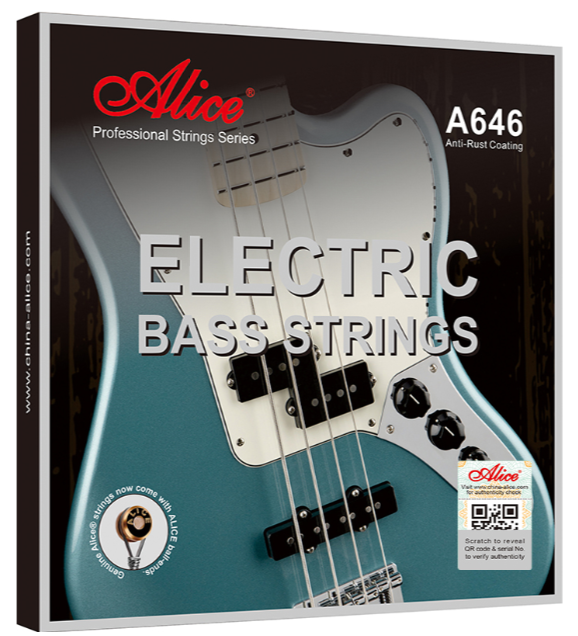
The Alice strings A646 is an electric bass string with exceptional sound quality and longevity. The strings feature hexagonal steel strings with iron alloy winding, designed for a clear, bright tone and enhancing oxidation resistance. They’re also corrosion-resistant and can withstand heavy use, making them a solid choice for professional bass players.
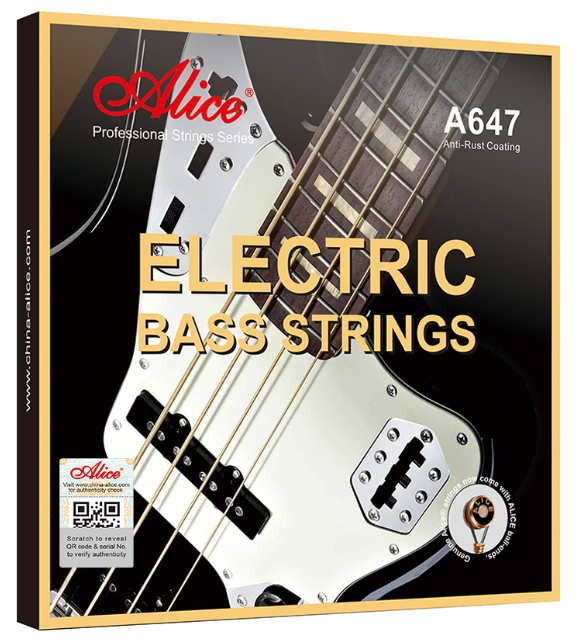
The A647 Bass Strings are designed to provide outstanding sonic clarity, tonal balance, and long-lasting durability. The strings are made of high-quality materials, with a nickel-plated steel core and a brass polymer compound coating, which give the strings a beautiful appearance, bright tone, and smooth feel.
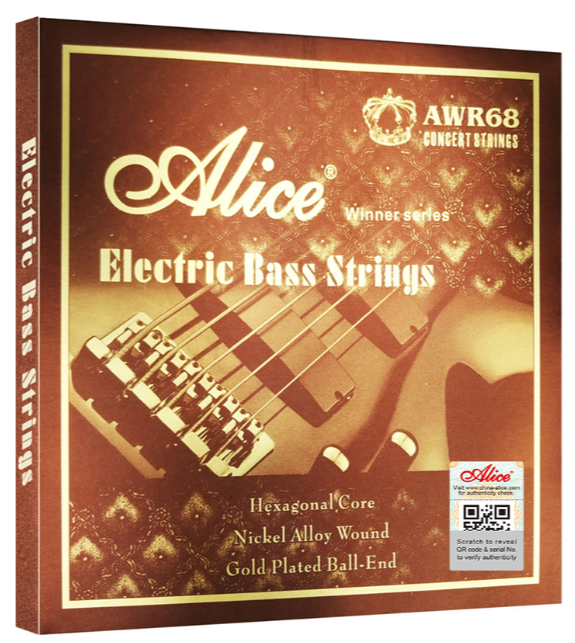
AWR68 Electric Bass String Set
Alice strings AWR68 Electric Bass Strings are designed for fretless electric bass and are a high-quality choice for players of all levels. The string uses hexagonal steel wire as the fiber core and the winding material is nickel alloy. The AWR68 delivers bright, crisp tones to the player with plenty of punch and support. These kinds of strings are perfect for a wide variety of musical styles, from rock and metal to jazz and funk. The AWR68 strings are designed with a medium gauge, making them easy to play and versatile enough to handle any bass-playing style.
Choosing the right electric bass strings requires careful consideration of material, gauge, coating, brand, and price. Experimenting with different strings can help bass players find the perfect set that is suitable for them.
If you are interested in Alice strings’ electric bass strings, click here!
Related articles:
Alicestrings Guitar Strings Collection 2023
Acoustic Vs. Electric Guitar Strings: All You Need to Know
Top Guitar Strings Trends (2023)