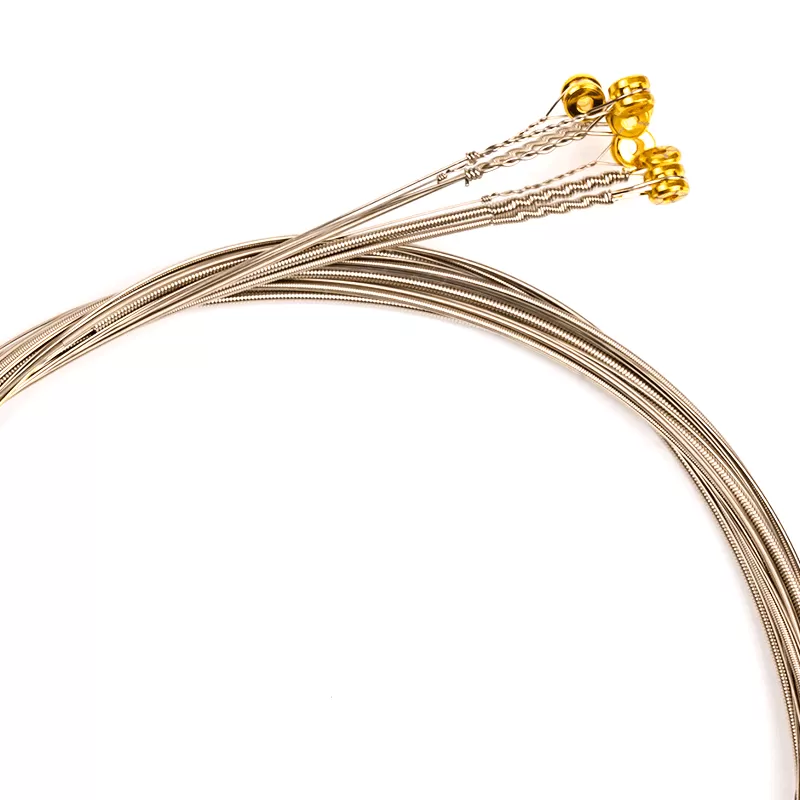


Bass String Gauge Chart: How to Choose the Right Bass String Thickness
Find the perfect bass string gauge for your playing style, tuning, and bass type. Compare light, medium, and heavy gauge charts in this complete guide.


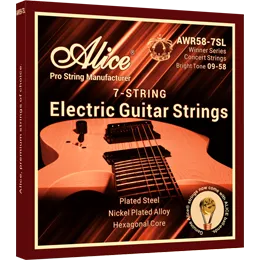
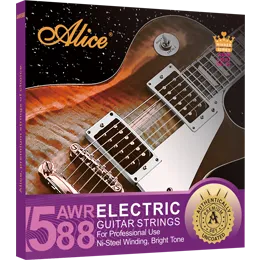
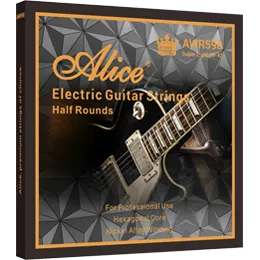

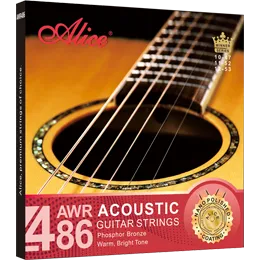
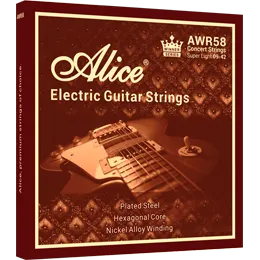
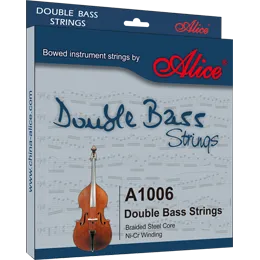


At first glance, bass strings and guitar strings may look similar. Both are metal strings designed to create musical tones, and both are available in different materials, gauges, and constructions.
However, bass strings and guitar strings are engineered for completely different instruments.
The differences in:
· String thickness
· Scale length
· Tension
· Core construction
· Tone response
· Playing requirements
directly affect how each string performs.
Understanding these differences helps musicians choose the right strings, avoid incorrect replacements, and achieve better tone and playability.
This guide explains the key differences between bass strings and guitar strings and answers common questions such as:
Can you use guitar strings on a bass?
Are bass strings thicker than guitar strings?
Why do bass strings cost more than guitar strings?
Bass strings are significantly thicker, longer, and designed for lower frequencies, while guitar strings are thinner and optimized for higher pitches.
Feature | Bass Strings | Guitar Strings |
Instrument | Bass guitar | Electric/acoustic guitar |
Scale Length | Longer | Shorter |
String Thickness | Much thicker | Thinner |
Tension | Higher | Lower |
Tone | Deep, powerful low frequencies | Bright, higher frequencies |
Common Strings | 4, 5, 6-string sets | 6-string sets |
Typical Use | Bass performance | Chord and melody playing |
Because bass strings are specifically designed for lower frequencies, guitar strings cannot provide the same sound or performance on a bass instrument.
The most obvious difference between bass strings and guitar strings is their diameter.
Bass strings are much thicker because they need to produce lower-frequency sounds.
Electric guitar strings commonly use:
· .009–.042
· .010–.046
· .011–.049
The strings are designed for:
· Easy bending
· Fast playing
· Chord flexibility
· High-frequency response
Bass strings are much thicker:
Common bass gauges include:
· .040–.095
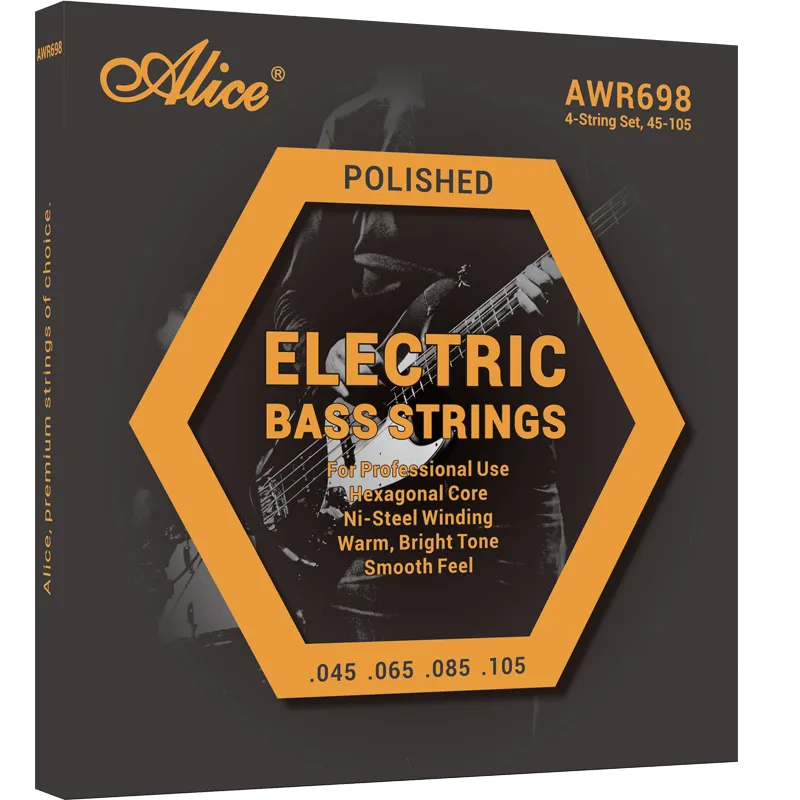
· .045–.105
· .050–.110
The larger diameter provides:
· Stronger low-end response
· More sustain
· Better tension stability
Bass guitars operate approximately one octave lower than standard guitars.
Lower notes require strings that can:
· Vibrate at slower frequencies
· Maintain stable tension
· Produce enough energy for clear sound
A thin guitar string would not provide the necessary mass and tension for a deep bass tone.
Another major difference is instrument scale length.
Scale length refers to the vibrating length of the string between the nut and bridge.
Most guitars:
· Around 24.75–25.5 inches
Most bass guitars:
· Around 30–35 inches
Common bass types:
Bass Type | Scale Length |
Short Scale Bass | 30" |
Medium Scale Bass | 32" |
Long Scale Bass | 34" |
Extra Long Scale Bass | 35"+ |
The longer scale length helps bass strings achieve:
· Proper tension
· Better tuning stability
· Stronger low-frequency response
Bass strings operate under much higher tension compared with guitar strings.
This affects:
· Playing feel
· Finger pressure
· Instrument setup
Usually provide:
· Lower resistance
· Easier bending
· Faster movement
Require:
· More finger pressure
· Stronger fretting technique
· Different playing approach
This is why bass players often develop different techniques compared with guitar players.
Both guitar and bass strings use similar basic materials, but bass strings require heavier construction.
Common materials include:
Features:
· Balanced tone
· Smooth feel
· Moderate brightness
Commonly used for:
· Guitar strings
· Bass strings
Suitable for:
· Rock
· Pop
· General playing
Features:
· Bright tone
· Strong attack
· Excellent clarity
Popular for:
· Rock bass
· Metal bass
· Slap bass
Coated strings use a protective layer to improve lifespan.
Benefits:
· Better corrosion resistance
· Longer usable life
· Reduced maintenance
Popular among:
· Touring musicians
· Players in humid environments
The biggest musical difference is the frequency range.
Designed for:
· Bright highs
· Chord definition
· Melodic playing
Common characteristics:
· Clear attack
· Rich harmonics
· Strong upper frequencies
Designed for:
· Deep lows
· Strong fundamentals
· Rhythmic foundation
Common characteristics:
· Powerful low end
· Long sustain
· Strong body
The different construction allows each instrument to occupy its proper role in a musical arrangement.
The short answer is:
No, standard guitar strings should not be used on a bass guitar.
Reasons include:
Guitar strings are not designed for bass scale length and tuning.
They may result in:
· Poor tuning stability
· Weak tone
· Incorrect string tension
Bass requires thicker strings to generate low frequencies.
Guitar strings may sound:
· Thin
· Weak
· Unbalanced
Using incorrect strings can affect:
· Neck relief
· Action height
· Intonation
Bass guitars are designed around specific string specifications.
Generally, no.
Bass strings are:
· Too thick
· Too heavy
· Too high tension
They may not fit through:
· Guitar bridges
· Tuners
· Nut slots
Even if installed, they would not provide normal guitar performance.
Although both are metal strings, bass strings and guitar strings are optimized for completely different playing requirements.
Feature | Bass Strings | Guitar Strings |
Main Purpose | Low-frequency foundation | Melody and chord expression |
String Diameter | Thick | Thin |
Tension | Higher | Lower |
Scale Requirement | Longer scale | Shorter scale |
Tone Character | Deep, powerful, warm | Bright, clear, detailed |
Playing Style | Groove, rhythm, low-end support | Chords, solos, melodies |
Common Materials | Nickel, stainless steel, coated | Nickel, stainless steel, phosphor bronze, coated |
Replacement Frequency | Usually longer lifespan | Usually replaced more frequently |
The difference is not simply size. Bass strings and guitar strings are designed around different acoustic requirements.
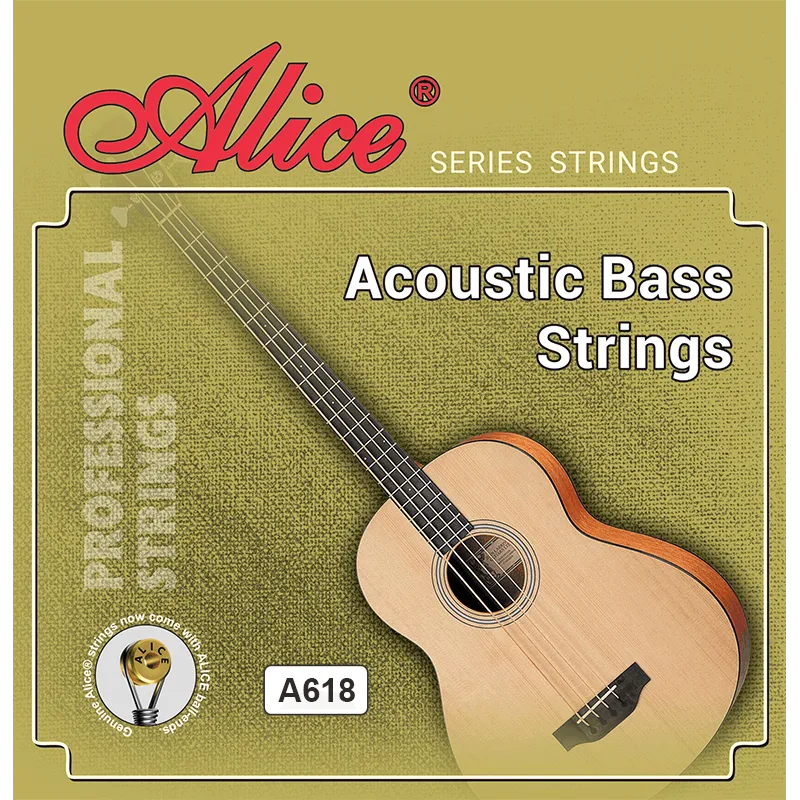
Many players also confuse acoustic guitar strings with bass strings because both may use steel construction.
However, they are completely different products.
Designed for:
· Acoustic resonance
· Chord projection
· Higher frequency response
Common materials:
· Phosphor bronze
· 80/20 bronze
· Silk and steel
Typical gauges:
· .010–.047
· .012–.053
Designed for:
· Lower frequency output
· Larger instrument bodies
· Stronger string tension
Characteristics:
· Much thicker diameter
· Longer scale requirements
· Stronger core construction
Feature | Acoustic Guitar Strings | Acoustic Bass Strings |
Frequency Range | Mid and high frequencies | Low frequencies |
String Thickness | Thin | Thick |
Tension | Moderate | High |
Scale Length | Shorter | Longer |
Main Purpose | Chords and melodies | Bass foundation |
Using acoustic guitar strings on an acoustic bass will not produce the expected bass response.
Many musicians notice that a set of bass strings often costs more than guitar strings.
There are several reasons.
Bass strings require:
· Larger core wire
· More winding material
· More metal content
A thicker string naturally requires more raw materials during manufacturing.
Bass strings require precise control of:
· Core strength
· Winding tension
· Diameter consistency
· Final tension balance
Small manufacturing variations can affect:
· Intonation
· Tone
· Playing comfort
Bass strings require longer lengths to accommodate:
· Long-scale bass guitars
· Different bridge designs
· Extended-range instruments
Bass players often expect:
· Strong low-end response
· Stable tuning
· Long sustain
· Reliable durability
Meeting these requirements requires careful material selection and quality control.
Choosing the correct strings depends on:
· Instrument type
· Playing style
· Desired tone
· Playing frequency
Consider:
Recommended:
· Nickel-plated steel
· Medium gauge (.045–.105)
· Roundwound strings
Benefits:
· Comfortable feel
· Balanced tone
· Suitable for many styles
Recommended:
· Nickel or stainless steel
· Medium gauge
Benefits:
· Strong attack
· Clear note definition
Recommended:
· Stainless steel
· Light to medium gauge
Benefits:
· Bright tone
· Fast response
· Clear popping sound
Recommended:
· Flatwound strings
· Nickel materials
Benefits:
· Warm tone
· Smooth feel
· Reduced finger noise
Choose strings based on:
· Guitar type
· Playing style
· Desired brightness
· Tuning requirements
For example:
Electric guitar players may choose:
· Nickel-plated steel
· Stainless steel
Acoustic guitar players may choose:
· Phosphor bronze
· 80/20 bronze
Many beginners choose strings based only on price or appearance.
However, incorrect string selection can negatively affect playing experience.
A bass string must match the instrument scale length.
Incorrect length may cause:
· Poor fit
· Incorrect tension
· Tuning issues
Always check whether your bass requires:
· Short scale
· Long scale
· Extra-long scale strings
Gauge affects:
· Playing comfort
· Tone
· Tension
For example:
Very heavy strings may provide powerful tone but feel difficult for beginners.
Very light strings may feel easier but provide less low-end power.
Different materials produce different results.
Example:
A jazz player may not prefer extremely bright stainless steel strings.
A metal player may find warm nickel strings lack enough attack.
The best string choice depends on the sound you want to achieve.
Premium strings are not automatically suitable for every player.
The right choice depends on:
· Music style
· Playing technique
· Instrument setup
· Personal preference
As a professional musical instrument string manufacturer, Alice Strings provides solutions for both individual musicians and global business partners.
With more than 20 years of manufacturing experience, Alice specializes in:
· Guitar strings
· Bass strings
· Musical instrument accessories
Alice provides bass string solutions including:
· Nickel bass strings
· Stainless steel bass strings
· Coated bass strings
Products can be developed according to:
· Tone requirements
· Gauge specifications
· Scale length
· Market positioning
Alice also supports guitar string products including:
· Electric guitar strings
· Acoustic guitar strings
· Classical guitar strings
Customization options include:
· Materials
· Gauges
· Packaging
· Private label branding
For brands, distributors, and retailers, Alice provides:
Support for:
· New string series
· Custom specifications
· Market-specific products
Including:
· Custom packaging
· Brand logo
· Product labeling
· Retail-ready solutions
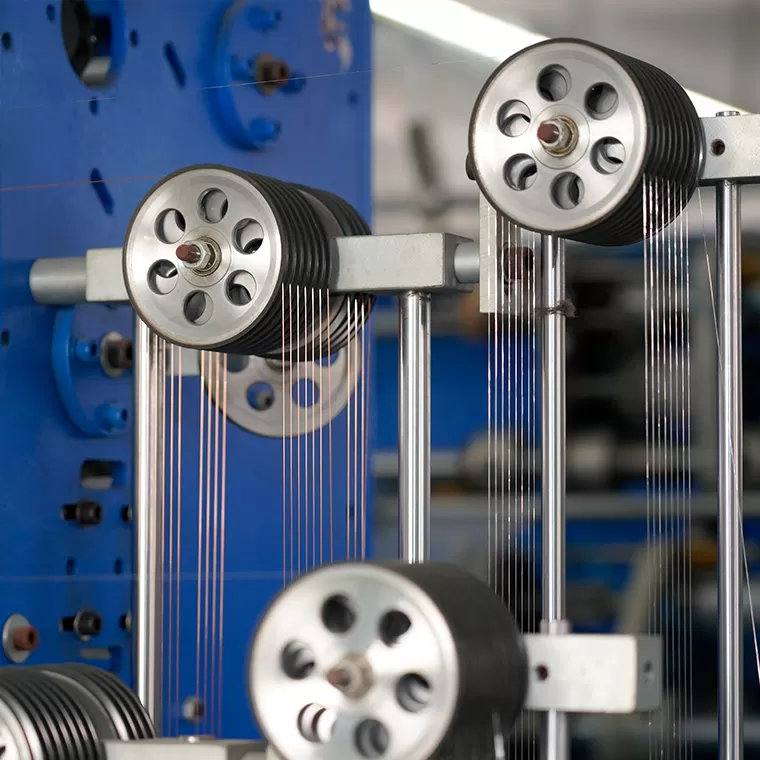
Manufacturing focuses on:
· Material inspection
· Precision winding
· String consistency
· Packaging quality
This helps partners deliver reliable products to their customers.
A reliable string supplier should provide more than competitive pricing.
Long-term partners need:
✓ Manufacturing experience
✓ Stable product quality
✓ Flexible customization
✓ Professional communication
✓ Reliable supply capability
Alice Strings works with customers worldwide to develop dependable guitar and bass string products.
No, bass strings generally cannot be used on a standard guitar.
Bass strings are designed for:
· Longer scale lengths
· Lower frequencies
· Higher tension requirements
They are much thicker than guitar strings and usually cannot fit properly on guitar bridges, nuts, and tuners.
Using bass strings on a guitar may cause:
· Poor playability
· Incorrect tuning
· Potential setup issues
Always choose strings specifically designed for your instrument.
No, standard guitar strings should not be installed on a bass guitar.
Guitar strings are too thin and do not have enough mass to produce proper bass frequencies.
Possible problems include:
· Weak low-end tone
· Poor tuning stability
· Incorrect tension
· Reduced sustain
Bass guitars require specially designed bass strings with appropriate thickness, length, and construction.
Generally, bass strings feel more demanding because they are:
· Thicker
· Higher tension
· Longer scale length
Players may need more finger strength when switching from guitar to bass.
However, the playing technique is also different. Bass playing often focuses more on:
· Rhythm
· Groove
· Note control
· Consistent timing
With practice, most players adapt quickly.
Bass strings are thicker because they need to produce lower-frequency sounds.
A thicker string provides:
· More mass
· Better vibration at low frequencies
· Stronger fundamental tone
· Improved sustain
Without sufficient thickness, bass notes would sound weak and unstable.
Usually, yes.
Bass strings often last longer because they are:
· Thicker
· More durable
· Less frequently bent compared with guitar strings
However, lifespan depends on:
· Playing frequency
· Sweat and humidity
· String material
· Maintenance habits
For example:
· Coated bass strings generally last longer than traditional strings.
· Professional players may replace strings more frequently to maintain consistent tone.
There is no fixed replacement schedule.
Typical recommendations:
Player Type | Replacement Frequency |
Professional performers | Every 1–2 months or before major events |
Regular players | Every 3–6 months |
Casual players | Every 6–12 months or when tone changes |
Signs that bass strings need replacement include:
· Dull tone
· Reduced sustain
· Poor tuning stability
· Rust or discoloration
· Rough playing feel
For most beginners, a good starting choice is:
· Nickel-plated steel strings
· Medium gauge (.045–.105)
· Roundwound construction
They provide:
· Balanced tone
· Comfortable tension
· Good versatility
As players develop their style, they can experiment with:
· Stainless steel strings
· Flatwound strings
· Different gauges
Some materials are similar, but the construction requirements are different.
Both may use:
· Nickel-plated steel
· Stainless steel
· Coated surfaces
However, bass strings require:
· Larger cores
· More winding material
· Different tension control
The manufacturing process must be optimized for the instrument type.
The main differences are:
· Size
· Tension
· Frequency range
· Construction
Acoustic guitar strings are designed for higher-frequency acoustic projection, while bass strings are designed to produce powerful low frequencies.
They are not interchangeable.
Bass strings and guitar strings may appear similar, but they are engineered for completely different musical purposes.
The key differences include:
· Bass strings are thicker to produce deep, powerful low frequencies.
· Bass strings are longer to match extended instrument scale lengths.
· Bass strings have higher tension for stable performance.
· Guitar strings are thinner and designed for chords, melodies, and higher frequencies.
Choosing the correct strings helps musicians achieve:
· Better tone
· Improved comfort
· More stable tuning
· Better overall performance
Whether you are selecting strings for your own instrument or developing products for a music brand, understanding these differences is essential.
Alice Strings provides professional guitar and bass string solutions for musicians, retailers, distributors, and OEM partners worldwide.
From standard guitar and bass strings to customized OEM and private label solutions, Alice combines manufacturing experience, quality control, and flexible production capabilities to help customers create reliable string products.