
Bass Strings vs Guitar Strings: Key Differences Explained
Bass strings vs guitar strings: learn the key differences in thickness, scale length, tension, construction, tone, and compatibility, and find out if they can be used interchangeably.


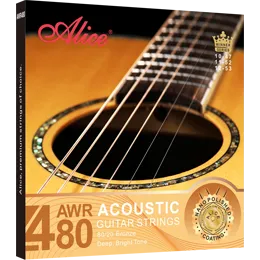
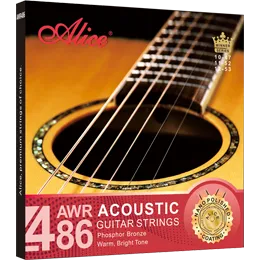
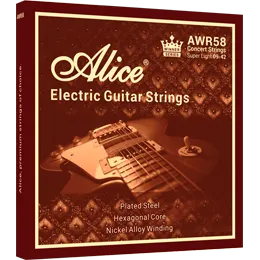
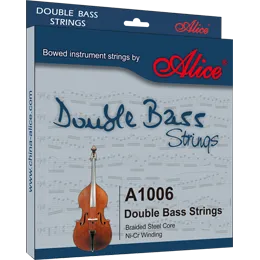



Launching a guitar or bass string brand has become more accessible than ever. With the growth of e-commerce, independent music retailers, and private-label manufacturing, companies no longer need to own a factory to offer high-quality string products under their own brand.
Today, many successful music brands source their products from experienced OEM manufacturers while focusing on branding, marketing, distribution, and customer relationships. This approach reduces investment, shortens product development cycles, and allows businesses to respond more quickly to market demand.
Whether you are an established musical instrument distributor, an online retailer, a guitar manufacturer, or an entrepreneur entering the music accessories market, partnering with the right OEM supplier is one of the most important decisions you will make.
This guide explains the complete process of building a successful guitar and bass string brand—from defining your market positioning and selecting products to evaluating suppliers, developing packaging, maintaining quality standards, and expanding your business.
Building a successful guitar or bass string brand involves much more than printing a logo on existing products. The most successful brands combine a clear market strategy with reliable manufacturing, consistent quality, attractive packaging, and long-term product development.
A typical OEM project follows these stages:
1. Define your target market.
2. Select the appropriate product range.
3. Choose an experienced OEM manufacturer.
4. Customize specifications and packaging.
5. Approve samples and quality standards.
6. Begin mass production.
7. Launch, market, and continuously improve your product line.
Working with a professional manufacturer allows brands to focus on sales and market development while relying on experienced production teams for manufacturing and quality control.
The musical instrument accessories market continues to evolve. Rather than competing solely as resellers, many businesses are introducing their own branded guitar and bass strings to strengthen customer loyalty and improve profitability.
Compared with selling third-party brands, private-label products offer several advantages:
· Greater control over pricing
· Stronger brand recognition
· Higher profit margins
· Exclusive product offerings
· Better customer retention
· Long-term business value
For distributors and retailers, developing a proprietary string brand can also reduce direct price competition and create opportunities for market differentiation.
Private-label manufacturing is no longer limited to large international companies. Businesses of many sizes can successfully develop their own branded products.
Typical OEM customers include:
Expand your product portfolio with exclusive string products that complement your existing instrument lines.
Offer store-branded strings that increase repeat purchases and strengthen customer loyalty.
Bundle your instruments with customized strings to deliver a complete branded experience.
Differentiate your online store by selling exclusive products instead of competing with identical branded items.
Supply students with consistent, affordable strings under your own educational brand.
Launch a professional product line without investing in manufacturing facilities or production equipment.
One of the biggest mistakes new brands make is trying to serve every type of customer. Successful brands begin with a clearly defined target market.
Ask yourself:
· Who is your ideal customer?
· Which countries or regions will you target?
· What price segment will you compete in?
· Which musical genres will your products support?
· What differentiates your brand from competitors?
Clear positioning will guide decisions on product specifications, packaging design, pricing strategy, and marketing.
Many successful brands start with a focused range of products before expanding into additional categories.
Popular product options include:
Available in nickel-plated steel, stainless steel, coated, and multiple gauge configurations.
Common materials include phosphor bronze, 80/20 bronze, and coated strings designed for different tonal preferences.
Featuring nylon trebles and wound bass strings for classical, flamenco, and educational applications.
Product options include:
· Nickel-plated steel
· Stainless steel
· Roundwound
· Flatwound
· Coated bass strings
· Four-, five-, and six-string sets
· Long-scale and extra-long-scale models
Starting with a carefully selected product portfolio helps reduce inventory complexity while allowing your brand to establish a clear market identity.
Selecting the right manufacturing partner is one of the most important decisions when building a guitar or bass string brand. A reliable OEM supplier not only produces your products but also supports your long-term business with consistent quality, flexible customization, and dependable service.
When evaluating potential manufacturers, consider the following factors.
Experience often reflects a manufacturer's ability to manage production efficiently and solve technical challenges.
Look for suppliers with experience in manufacturing guitar and bass strings for international markets. An established manufacturer is more likely to understand product consistency, export requirements, and the needs of different customer segments.
Questions to ask include:
· How many years have you been manufacturing strings?
· Which international markets do you serve?
· What product categories do you specialize in?
Your supplier should be able to support both your current order volume and future business growth.
Consider factors such as:
· Production equipment
· Monthly production capacity
· Lead times
· Ability to handle seasonal demand
A scalable manufacturing partner helps ensure stable supply as your business expands.
Consistent quality is essential for building customer trust.
Ask potential suppliers about their quality management procedures, including:
· Raw material inspection
· Production process control
· Finished product testing
· Batch traceability
Reliable quality systems reduce product defects and improve customer satisfaction.
An experienced OEM manufacturer should be able to support more than standard products.
Look for suppliers offering customization such as:
· Custom gauges
· Nickel-plated or stainless steel strings
· Roundwound and flatwound designs
· Coated strings
· Custom packaging
· Private-label branding
Strong development capabilities make it easier to expand your product portfolio in the future.
Clear communication is essential throughout product development.
Choose a supplier that can provide:
· Fast response times
· Technical advice
· Product recommendations
· Sample support
· After-sales service
A responsive manufacturing partner helps reduce project delays and minimizes misunderstandings.
Evaluation Item | Why It Matters |
Manufacturing experience | Indicates technical expertise and production stability |
Production capacity | Ensures reliable delivery and future scalability |
Quality management | Supports consistent product performance |
Customization capability | Allows your brand to offer differentiated products |
Export experience | Simplifies international logistics and compliance |
Communication | Improves project efficiency and collaboration |
These three manufacturing models are often confused, but they serve different business needs.
Understanding the differences helps you choose the most appropriate solution for your brand.
Model | OEM | ODM | Private Label |
Product Design | Customer-defined | Manufacturer-designed | Existing product |
Branding | Customer | Customer | Customer |
Customization | High | Moderate | Limited |
Development Time | Longer | Medium | Short |
Best For | Established brands | New product development | Fast market entry |
OEM (Original Equipment Manufacturing) allows customers to customize product specifications while using the manufacturer's production capabilities.
Typical OEM customization includes:
· Materials
· Gauges
· String construction
· Packaging
· Branding
OEM is ideal for businesses that want differentiated products.
ODM (Original Design Manufacturing) uses products developed by the manufacturer, with limited customization available.
This option is suitable for companies seeking faster product launches with lower development costs.
Private-label manufacturing applies your brand identity to proven, existing products.
This approach offers:
· Shorter lead times
· Lower development costs
· Faster market entry
It is often the preferred choice for new brands entering the market.
The best manufacturing model depends on your business goals.
· Choose Private Label if you want to launch quickly with proven products.
· Choose OEM if you need customized specifications and long-term brand differentiation.
· Choose ODM if you want to balance development time with product uniqueness.
Many successful brands begin with private-label products and gradually transition to OEM customization as their business grows.
One of the biggest advantages of working with an experienced OEM manufacturer is the ability to develop products that reflect your brand identity instead of simply reselling standard products.
Customization goes beyond adding a logo to the packaging. A professional manufacturer can help you tailor the product itself to meet the expectations of your target market.
The choice of material has a direct impact on tone, feel, durability, and market positioning.
Common options include:
Nickel-plated steel is the most popular choice for electric guitar and bass strings because it offers a balanced combination of warmth, clarity, and playing comfort.
Ideal for:
· Beginners
· General-purpose products
· Rock, pop, blues, and worship music
Stainless steel strings deliver brighter tone, stronger attack, and excellent corrosion resistance.
Ideal for:
· Metal
· Rock
· Funk
· Slap bass
· Professional performers
Widely used for acoustic guitar strings, phosphor bronze provides a warm and balanced sound with excellent projection.
Known for its bright and crisp tone, 80/20 bronze is often chosen by players seeking enhanced articulation and sparkle.
Designed primarily for classical guitars and educational markets, nylon strings provide a softer feel and a warm, traditional sound.
Different players have different preferences regarding string tension and playability.
OEM manufacturers can produce strings in a wide range of gauges.
Examples include:
· Extra Light
· Light
· Regular
· Heavy
· Custom combinations
· Light
· Medium
· Heavy
· Extra Heavy
· Custom tension sets
Custom gauges allow brands to develop products for specific genres or player preferences.
The winding method significantly influences both tone and feel.
Available options typically include:
· Roundwound
· Flatwound
· Half Round
Each construction appeals to different groups of musicians, allowing brands to diversify their product offerings.
Protective coatings can improve corrosion resistance and extend string lifespan.
Depending on the target market, brands may choose to offer:
· Standard strings
· Coated premium series
· High-durability performance series
A comprehensive product line may include:
· Electric guitar
· Acoustic guitar
· Classical guitar
· 4-string bass
· 5-string bass
· 6-string bass
· Long-scale
· Extra-long-scale
Offering multiple configurations allows brands to meet the needs of a wider customer base.
For many customers, packaging creates the first impression of a brand.
Well-designed packaging not only protects the product but also communicates quality, professionalism, and brand value.
Professional OEM manufacturers can provide a variety of packaging formats, including:
· Individual envelopes
· Retail boxes
· Hanging blister packs
· Premium gift boxes
· Bulk packaging for distributors
The choice depends on your sales channels and target customers.
Packaging should clearly communicate:
· Brand logo
· Product series
· String specifications
· Materials
· Gauge
· Instrument compatibility
Consistent visual identity strengthens brand recognition across different product categories.
For retail and e-commerce markets, packaging may also include:
· Barcodes
· QR codes
· Multilingual labeling
· Product certifications
· User instructions
Retail-ready packaging simplifies inventory management and improves the customer experience.
Many international markets increasingly value environmentally responsible packaging.
Brands may consider:
· Recyclable paper packaging
· Reduced plastic usage
· Soy-based printing inks
· Eco-friendly shipping materials
Sustainable packaging can enhance brand image while supporting environmental goals.
Customized products help brands differentiate themselves in a competitive marketplace.
Instead of competing only on price, businesses can create unique value through:
· Exclusive specifications
· Distinctive packaging
· Consistent quality
· Strong brand identity
These factors contribute to higher customer loyalty and stronger long-term market positioning.
Before approving production, confirm the following details with your manufacturer:
Item | Confirmation |
Product type | Electric, acoustic, classical, or bass |
Material | Nickel-plated steel, stainless steel, bronze, nylon, etc. |
Gauge | Standard or custom |
Winding type | Roundwound, flatwound, or half round |
Coating | Standard or coated |
Packaging | Retail, bulk, or premium |
Branding | Logo, artwork, labeling |
Barcode & SKU | Required for retail distribution |
Target market | Country-specific requirements |
Before placing a mass production order, most brands request samples to evaluate product quality and confirm that the strings meet their technical and commercial requirements.
Sample development is an important step because it allows both the customer and the manufacturer to verify specifications before production begins.
Samples help reduce risk by allowing customers to evaluate:
· Tone and sound characteristics
· Playing feel
· String tension
· Tuning stability
· Packaging quality
· Printing accuracy
· Overall product consistency
Testing samples before production helps avoid costly revisions later.
When reviewing OEM samples, consider the following:
· Does the string deliver the expected tone?
· Is the tension appropriate for the target market?
· Is the playing feel comfortable?
· Does tuning remain stable after installation?
Check for:
· Consistent winding
· Smooth surface finish
· Accurate gauge labeling
· Correct ball-end installation
· Clean packaging
Confirm that:
· Logos are correctly printed
· Product information is accurate
· Packaging reflects your brand identity
· Colors and graphics match the approved design
Only after confirming these details should mass production begin.
Understanding minimum order quantities (MOQ) and production planning helps brands manage costs and inventory more effectively.
MOQ requirements vary depending on factors such as:
· Product specifications
· Packaging complexity
· Level of customization
· Production process
Highly customized products generally require higher minimum order quantities than standard private-label products.
OEM pricing is determined by several variables rather than a single unit price.
These include:
· String materials
· Gauge combinations
· Coating options
· Packaging type
· Printing requirements
· Order quantity
· Shipping method
Rather than focusing only on the lowest price, buyers should evaluate overall value, including product quality, consistency, and supplier reliability.
To avoid delays, brands should plan production schedules in advance, especially before peak sales seasons.
Consider:
· Sample approval time
· Packaging development
· Manufacturing lead time
· International shipping
· Customs clearance
· Warehouse receiving schedules
Proper planning helps maintain stable inventory and reduces the risk of stock shortages.
Consistent quality is essential for building a successful guitar or bass string brand.
Customers expect every set they purchase to deliver the same tone, feel, and reliability.
Professional manufacturers achieve this through quality control at every production stage.
Quality begins with carefully selected materials.
Manufacturers inspect incoming materials for:
· Material composition
· Wire diameter
· Tensile strength
· Surface condition
Using consistent raw materials reduces variation during production.
Quality inspections continue throughout manufacturing.
Typical checks include:
· Winding accuracy
· Tension consistency
· Dimensional verification
· Ball-end installation
· Surface appearance
Monitoring production in real time helps identify issues before they affect finished products.
Before packaging, finished strings undergo final inspection to verify:
· Gauge accuracy
· Packaging quality
· Product labeling
· Cosmetic appearance
· Batch consistency
Only products meeting established quality standards proceed to shipment.
For retailers and distributors, consistency is just as important as performance.
Customers expect replacement sets to feel and sound the same regardless of when they are purchased.
Reliable batch consistency helps:
· Build customer trust
· Reduce warranty claims
· Increase repeat purchases
· Strengthen brand reputation
Although production schedules vary by project, most OEM orders follow a structured workflow.
Stage | Description |
Consultation | Discuss product requirements and branding goals |
Quotation | Confirm specifications and pricing |
Sample Development | Produce and evaluate samples |
Design Approval | Finalize artwork and packaging |
Mass Production | Manufacture products according to approved specifications |
Quality Inspection | Verify product consistency before shipment |
Packaging | Pack products for export or retail distribution |
Shipping | Arrange delivery by sea, air, rail, or express |
Clear communication throughout each stage helps ensure projects remain on schedule.
Depending on destination and order size, manufacturers typically offer:
· Sea freight for large-volume shipments
· Air freight for urgent orders
· Express courier services for samples and small quantities
The most suitable shipping method depends on cost, delivery time, and inventory planning.
Successful brands rarely change manufacturers frequently.
Instead, they work with trusted partners who understand their products, quality expectations, and market requirements.
A long-term partnership offers advantages such as:
· More efficient communication
· Faster product development
· Better production planning
· Stable product quality
· Continuous product improvement
Choosing a manufacturing partner should therefore be viewed as a long-term strategic decision rather than simply selecting the lowest quotation.
Launching a successful guitar or bass string brand involves more than selecting attractive packaging or a competitive price. Many new brands encounter avoidable challenges that affect product quality, customer satisfaction, and long-term growth.
Understanding these common mistakes can help you build a stronger and more sustainable business.
Low prices can be attractive, but they should never be the only consideration.
A supplier offering significantly lower prices may use inconsistent materials, outdated equipment, or inadequate quality control processes. These issues can result in inconsistent tone, tuning instability, or higher defect rates, ultimately damaging your brand reputation.
Instead, evaluate suppliers based on overall value, including:
· Manufacturing experience
· Product quality
· Technical support
· Production capacity
· Long-term reliability
Some buyers move directly into production without thoroughly testing samples.
Even if product specifications appear correct on paper, real-world performance should always be verified.
Evaluate samples for:
· Tone consistency
· Playing comfort
· String tension
· Packaging quality
· Printing accuracy
· Tuning stability
Sample approval is one of the most effective ways to reduce production risks.
Many new brands attempt to launch dozens of products simultaneously.
While this may seem attractive, it often increases inventory costs and complicates marketing.
A better approach is to begin with a focused product range, such as:
· Electric guitar strings
· Acoustic guitar strings
· Bass guitar strings
Additional products can be introduced as customer demand grows.
Successful brands are built around a clearly defined customer group.
Before production begins, identify:
· Your target customers
· Preferred price range
· Primary sales channels
· Musical genres
· Brand identity
A clear positioning strategy helps guide product development, packaging design, and marketing.
Your first production order is only the beginning.
Choose a manufacturing partner capable of supporting future expansion through:
· Additional product categories
· Custom product development
· Increased production capacity
· International distribution support
Long-term planning creates a stronger foundation for sustainable growth.
The most successful string brands share several common characteristics.
They focus on:
· Consistent product quality
· Reliable supply
· Strong customer service
· Continuous product improvement
· Professional branding
Rather than competing solely on price, they build long-term customer trust through dependable products and consistent performance.
With more than 20 years of manufacturing experience, Alice Strings has supported music brands, distributors, retailers, and OEM partners worldwide.
Our manufacturing capabilities include:
· Electric guitar strings
· Acoustic guitar strings
· Classical guitar strings
· Electric bass strings
· Acoustic bass strings
· Ukulele strings
· Violin strings
· Musical instrument accessories
We support:
· Custom materials
· Custom gauges
· Custom packaging
· Private-label branding
· OEM manufacturing
· Retail-ready packaging
· International export support
Whether you are launching a new brand or expanding an existing product line, our team works closely with customers to develop solutions that align with their market strategy.
Every product is manufactured with careful attention to:
· Material selection
· Precision winding
· Consistent tension
· Stable product quality
· Reliable packaging
Our goal is to help customers build brands that musicians trust.
Building a successful guitar or bass string brand requires more than selecting a product—it requires a clear market strategy, reliable manufacturing, consistent quality, and a trusted long-term partner.
By carefully defining your target market, selecting the right products, evaluating OEM manufacturers, and maintaining high quality standards, you can create a brand that delivers lasting value to musicians and distributors alike.
Whether your goal is to launch a private-label product line, expand an existing music brand, or develop customized OEM solutions, choosing the right manufacturing partner is one of the most important decisions you will make.
Alice Strings combines more than two decades of manufacturing expertise with flexible OEM and private-label services to help businesses bring high-quality guitar and bass strings to market.
From product development and custom packaging to quality control and international delivery, we provide comprehensive support throughout every stage of your project.
Contact our team today to discuss your OEM requirements, request samples, or explore customized guitar and bass string solutions.
If you're planning to develop your own guitar or bass string brand, these resources may also help:
· How Bass Strings Are Made: Inside the Manufacturing Process
· Custom Bass Strings Manufacturer: OEM & Private Label Solutions
· How to Choose the Right Bass Strings
· Nickel vs. Stainless Steel Bass Strings
· Roundwound vs. Flatwound Bass Strings
· Bass Strings vs. Guitar Strings: What's the Difference?
These guides provide additional insights into string design, materials, manufacturing, and product selection.
The required investment depends on product selection, customization level, packaging, and order quantity.
Private-label products generally require less initial investment than fully customized OEM projects.
Working with an experienced manufacturer can help optimize both development costs and production planning.
Private-label products use existing product designs with your own branding, making them suitable for faster market entry.
OEM manufacturing allows you to customize specifications such as materials, gauges, winding methods, packaging, and branding to create differentiated products.
Development time varies according to product complexity, sample revisions, and packaging requirements.
A typical project includes:
· Product specification confirmation
· Sample development
· Packaging approval
· Mass production
· Quality inspection
· Shipment
Planning ahead helps ensure timely delivery.
Yes.
Professional manufacturers typically support customization across multiple product categories, including:
· Electric guitar strings
· Acoustic guitar strings
· Classical guitar strings
· Bass guitar strings
Customization may include materials, gauges, winding types, coatings, packaging, and branding.
Yes.
Many successful private-label brands began with a limited product range before gradually expanding.
Working with an experienced OEM manufacturer enables smaller businesses to access professional manufacturing without investing in production facilities.
Important factors include:
· Manufacturing experience
· Product quality
· Customization capability
· Quality management
· Production capacity
· Export experience
· Communication efficiency
· Technical support
Choosing the right partner is often more important than choosing the lowest price.