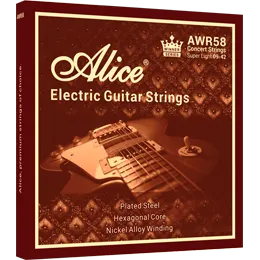
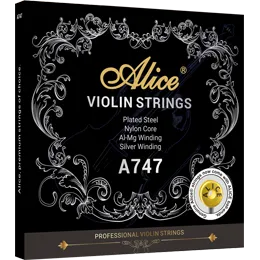
By Alice String — Leading OEM Guitar String Manufacturer in China
Understanding what makes a guitar string high-quality is essential for OEM brands, distributors, and musicians. From the choice of core wire to coating technologies, each component affects tone, durability, and playability. This guide breaks down the key elements of a premium guitar string.
1. Core Wire
The core wire is the backbone of every string, determining its tensile strength, flexibility, and tuning stability.
Materials: High-carbon steel is the most common, providing strength and sustain.
Core Shapes:
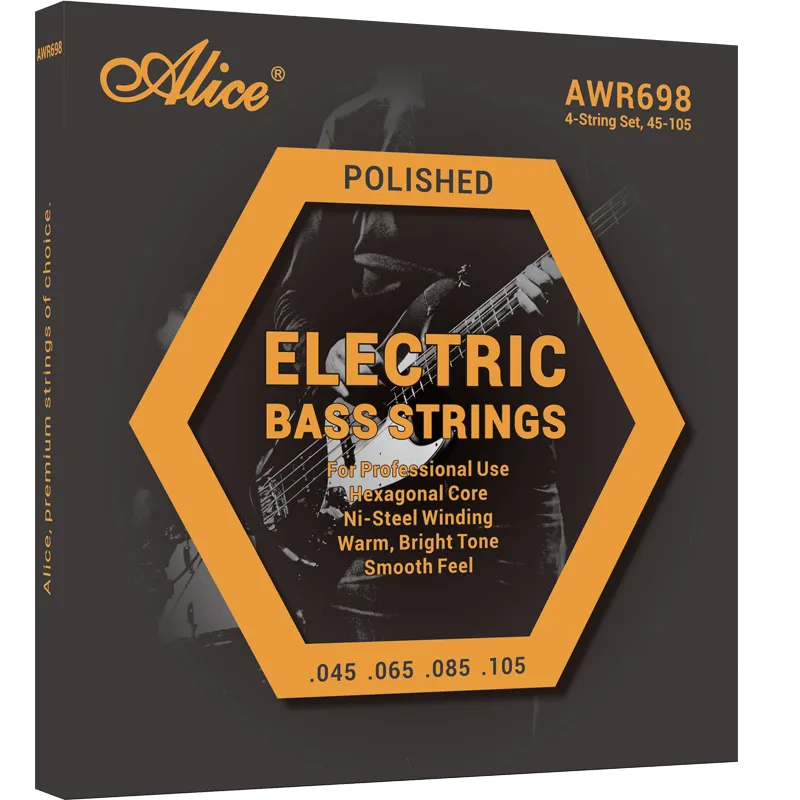
Hex-Core: Offers better winding grip and tuning stability.
Round-Core: Produces warmer tone and smoother feel.
OEM Implications:
Precision drawing ensures consistent diameter and tension.
Improperly drawn core wires can lead to uneven tone and frequent breakage.
Related Article: Phosphor Bronze vs 80/20 Bronze Strings — OEM Manufacturing Differences
2. Wrap Wire
The wrap wire defines the string’s tone, brightness, and feel:
Material Options:
Phosphor Bronze — balanced tone, corrosion-resistant
80/20 Bronze — bright tone, faster oxidation
Nickel-Plated Steel — smooth, bright, long-lasting
Stainless Steel — aggressive, precise tone
Winding Styles:
Round Wound: Most common; bright tone and sustain
Flat Wound: Smooth feel; reduces finger noise
Half Round: Compromise between smoothness and brightness
OEM Considerations:
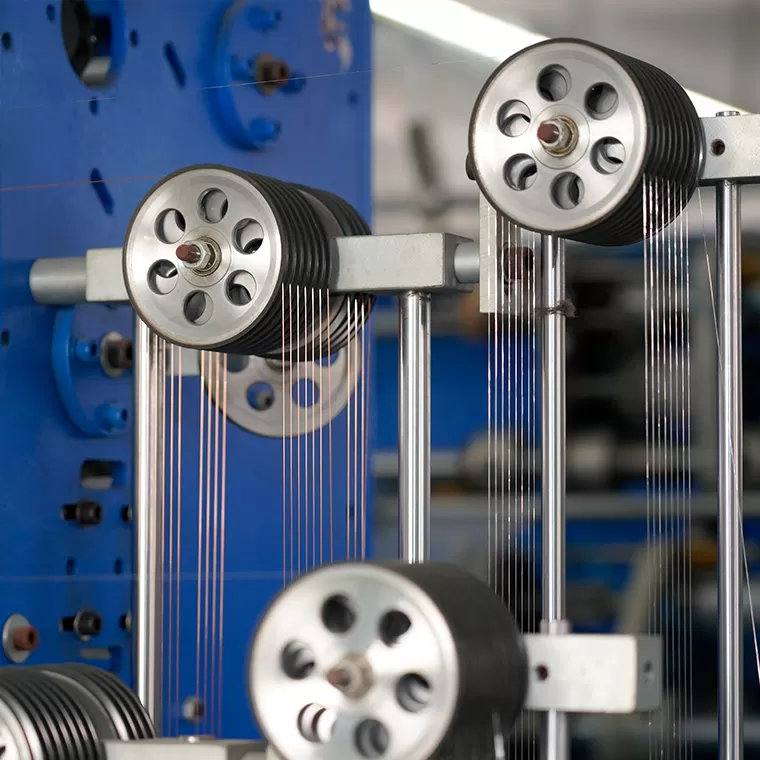
Winding tension must be controlled within ±0.5% to avoid tuning instability
Core and wrap wire compatibility is critical for tone consistency
3. Coating Technologies
Coatings extend string life and improve performance:
Anti-Rust Coating: Protects from corrosion and sweat
Nano Coating: Ultra-thin layer preserving tone and feel
Color Coating: For aesthetic customization or branding
Polymer Film: Adds durability without affecting tone
OEM Tip: Proper coating ensures long-lasting tone stability and reduces warranty claims.
Related Article: Do Coated Guitar Strings Really Last Longer?
4. Tension Stability
Tuning stability depends on both core and wrap wires, as well as manufacturing precision:
Tensile Strength Testing: Ensures string can handle repeated stress
Elasticity Control: Prevents long-term stretching
Ball-End Attachment: Proper installation avoids slippage during play
OEM Insight: Factories with automated winding machines and tight QC on tension yield higher consistency in mass production.
5. QC Methodology
High-quality guitar strings require multi-stage quality control:
Material Inspection: Diameter, hardness, surface smoothness
Production Inspection: Winding precision, coating adhesion
Tone Testing: Pitch, sustain, and harmonic consistency
Anti-Rust & Packaging Test: Ensures strings maintain performance in transit
OEM Best Practice: Continuous sampling and testing reduce batch-to-batch variability and maintain premium tone quality.
Related Article: How to Choose the Right Guitar String Manufacturer in China
6. Conclusion
A high-quality guitar string is a result of careful material selection, precise winding, advanced coating, and strict QC. OEM brands must evaluate every step of the manufacturing process to ensure:
Consistent tone
Long-lasting durability
Tuning stability
Premium feel
Alice String provides full OEM/ODM customization for acoustic, electric, and classical strings, offering superior core, wrap, coating, and QC solutions for global brands.
Next Steps for OEM Brands
Request Samples — Test core, wrap, and coating performance
Get a Custom Quote — Specify material, gauge, coating, and packaging
Download Catalog — Review all acoustic, electric, and classical strings
Author
Written by Alice Strings Technical Team
Based on Alice’s guitar string manufacturing experience and long-term feedback from educators and professional musicians, luthier shops, and global brand partners.