


How Bass Strings Are Made: Inside the Manufacturing Process
Learn how bass strings are made, from material selection and precision winding to quality control and packaging, with insights into OEM manufacturing.


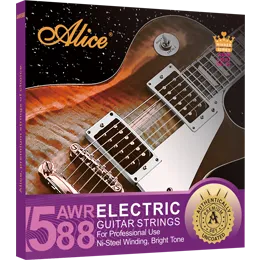
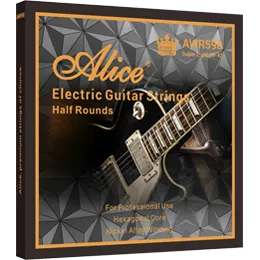
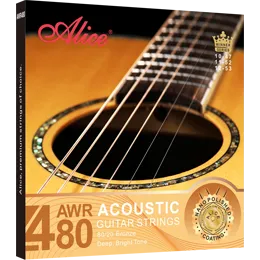
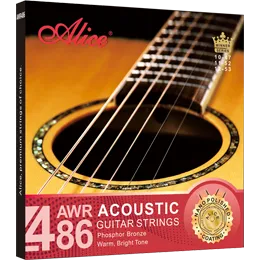
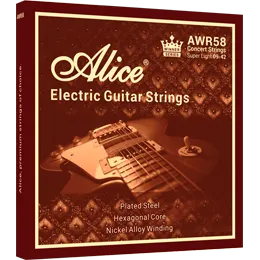
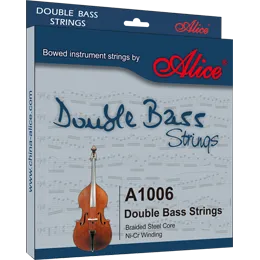
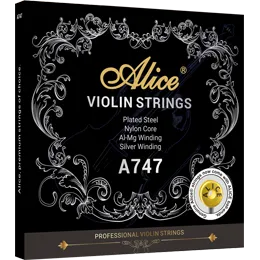


Banjo strings are available in several materials, including nickel-plated steel, stainless steel, phosphor bronze, and coated steel. Each material offers distinct tonal characteristics, durability, and playing feel. In addition to material, string gauge also affects tension, projection, and playability. For most players, medium-gauge nickel-plated steel strings provide the best balance of tone, comfort, and versatility, while coated strings are ideal for musicians seeking extended string life.
Banjo strings play a critical role in shaping the tone, brightness, and projection of your instrument. Unlike guitar strings, banjo strings are designed for higher tension and a sharper, more percussive sound.
Understanding different banjo string types will help you choose the right set for bluegrass, folk, or clawhammer playing styles.
Banjo strings are typically made from steel or nickel-based alloys, designed to deliver:
· Bright tone
· Strong projection
· Fast response
· High tuning stability
They are usually thinner than guitar strings and tuned to higher pitch tension systems.
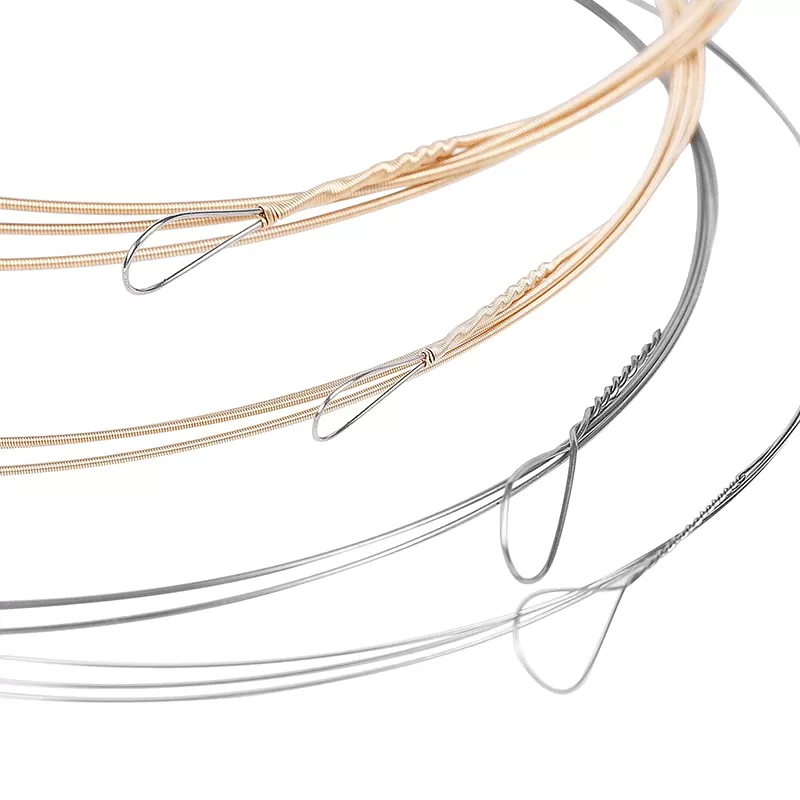
Unlike guitar strings, banjo strings are engineered for higher tension and faster attack, producing the bright, crisp sound that defines the instrument. Most five-string banjos use loop-end strings, although some specialty models may require ball-end strings. Choosing the right combination of material and gauge helps maximize tone, tuning stability, and playing comfort.
Characteristics:
· Balanced tone
· Smooth feel
· Durable performance
Best for:
· Bluegrass
· Studio recording
· General playing
Most commonly used banjo strings type.
Characteristics:
· Brighter tone
· Higher corrosion resistance
· More aggressive sound
Best for:
· Live performance
· Cutting through band mix
· Outdoor playing
Characteristics:
· Warmer tone
· Slightly softer attack
· Reduced brightness
Best for:
· Folk music
· Fingerstyle banjo
· Softer tonal preference
Characteristics:
· Longer lifespan
· Anti-rust coating
· Slight tone dampening
Best for:
· Humid environments
· Long-term use
· Low maintenance players
Loop-End Strings
· Traditional design
· Most banjos use this type
Ball-End Strings
· Easier installation
· Less common in banjo setups
Material | Tone | Durability | Corrosion Resistance | Best For |
Nickel-Plated Steel | Balanced | ★★★★☆ | ★★★☆☆ | Bluegrass, all-around use |
Stainless Steel | Bright | ★★★★★ | ★★★★★ | Live performance |
Phosphor Bronze | Warm | ★★★☆☆ | ★★★☆☆ | Folk, clawhammer |
Coated Steel | Balanced | ★★★★★ | ★★★★★ | Frequent performers |
String gauge affects tone, tension, and playability.
· Easier to play
· Softer tone
· Ideal for beginners
· Balanced tone
· Most popular choice
· Standard bluegrass setup
· Strong projection
· Higher tension
· Better for aggressive playing
· Steel → bright and sharp
· Nickel → balanced tone
· Bronze → warm and soft
· Light gauge → easier fretting
· Heavy gauge → louder projection
· Bluegrass → steel / medium gauge
· Folk → bronze / light gauge
· Performance → stainless steel
· Nickel-plated steel
· Light or medium gauge
· Stainless steel or nickel
· Medium gauge
· Phosphor bronze
· Light gauge
· Stainless steel
· Medium to heavy gauge
Open-back banjos generally produce a warmer, more natural tone and pair well with nickel or bronze strings. Resonator banjos, commonly used in bluegrass, often benefit from brighter nickel-plated or stainless steel strings that enhance projection.
If you practice or perform daily, coated strings can significantly reduce replacement frequency. Occasional players may prefer standard nickel strings for their lower cost and excellent tonal balance.
· Using guitar strings instead of banjo strings
Using guitar strings on a banjo may result in incorrect tension, poor tuning stability, and potential damage to the instrument because banjos are designed for different scale lengths and tuning systems.
· Choosing wrong gauge for bridge setup
· Ignoring string material differences
· Not replacing old strings regularly
· Every 2–3 months (regular use)
· When tone becomes dull
· When tuning becomes unstable
· After heavy performance cycles
If you are sourcing banjo strings for wholesale or distribution:
· Nickel-plated steel (highest demand)
· Stainless steel (performance segment)
· Entry level → light gauge nickel
· Mid range → medium gauge steel
· Premium → coated strings
· MOQ depends on product category and customization level.
· For standard products, MOQ is usually lower, while OEM/custom designs may require higher quantities.
· We support sample orders, mixed orders, and flexible MOQ solutions for long-term partners.
Balanced SKU mix improves turnover and margin stability.
Professional buyers typically evaluate more than just string material. Important considerations include:
· Available gauge combinations
· Core wire consistency
· Anti-rust treatment
· Individual packaging
· Custom logo printing
· Retail-ready packaging
· Barcode labeling
· Export carton specifications
· OEM branding capability
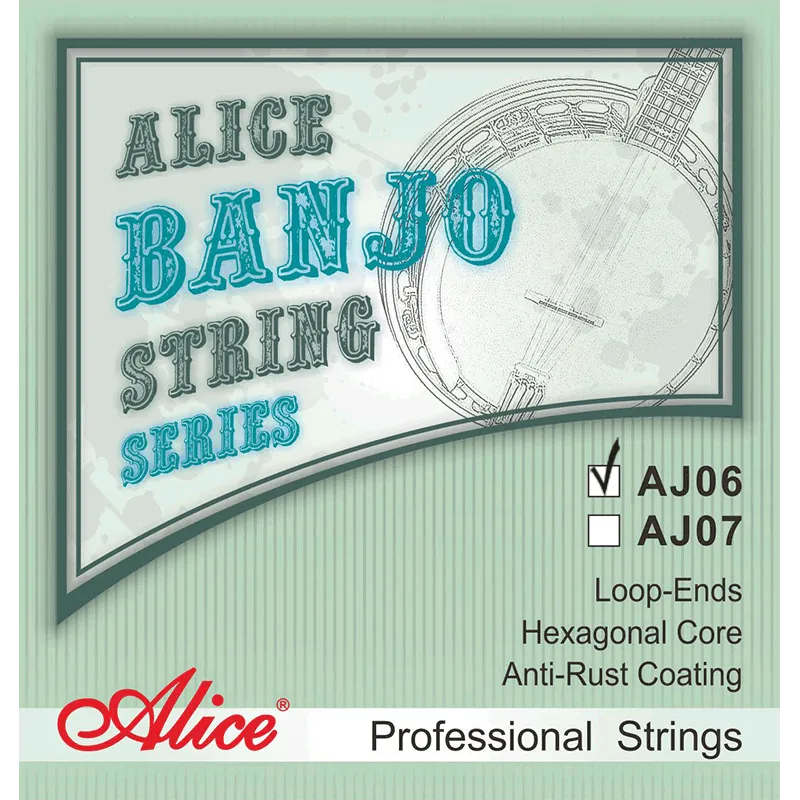
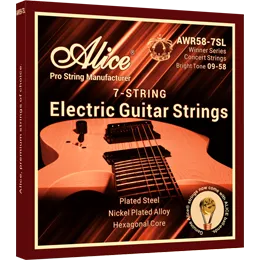
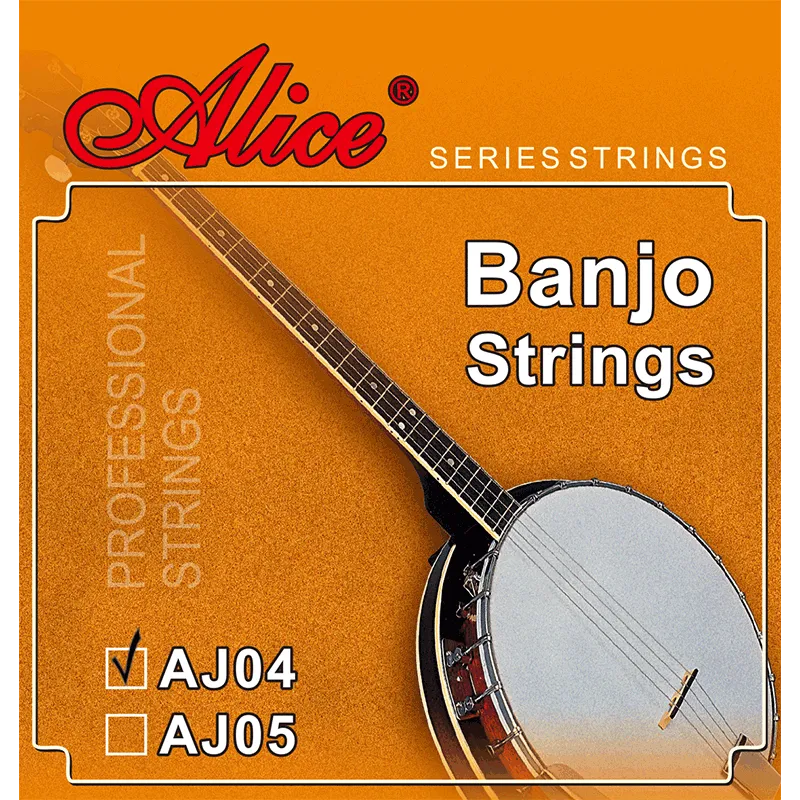
【 Alice 4-String Banjo String 】
Alice Strings provides professional-grade banjo strings designed for global markets and OEM customization.
· Nickel, stainless steel, coated options
· Stable tone and tuning performance
· Multiple gauge options
· Custom branding
· Packaging design
· Flexible MOQ
· Sample support
· Export-ready packaging
· Stable production capacity
· Fast delivery cycles
Suitable for:
· Private label brands
· Musical instrument brands
· Instrument manufacturers and factories
· Wholesalers and distributors
· Online sellers (Amazon, Shopify, eBay)
· Music schools and education suppliers
· Retail stores
Looking for a reliable banjo strings manufacturer?
We provide:
✔ OEM customization
✔ Wholesale pricing
✔ Sample support
✔ Fast quotation
· Get product recommendations
· Confirm MOQ & pricing
· Receive response within 48 hours
Start your banjo strings business with Alice Strings today.
Nickel-plated steel, stainless steel, and phosphor bronze are the most common types.
Light gauge nickel-plated steel strings are ideal for beginners.
Typically every 2–3 months depending on usage.
Yes, material and gauge significantly affect brightness, warmth, and projection.
No. Banjo strings are designed for different scale lengths, tension, and tuning systems.
Most five-string banjos do, but always check your bridge and tailpiece before purchasing.
Coated stainless steel strings generally offer the longest service life.
For players who perform frequently or live in humid climates, coated strings often provide better long-term value by reducing replacement frequency.
Many professional bluegrass musicians prefer medium-gauge strings because they offer an excellent balance between projection, tone, and playing comfort.