
How Bass Strings Are Made: Inside the Manufacturing Process
Learn how bass strings are made, from material selection and precision winding to quality control and packaging, with insights into OEM manufacturing.


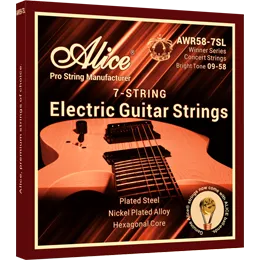
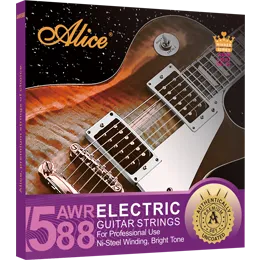
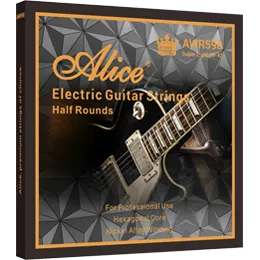

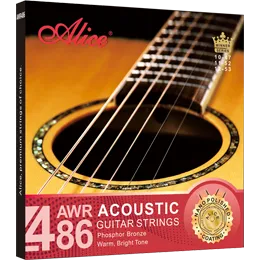
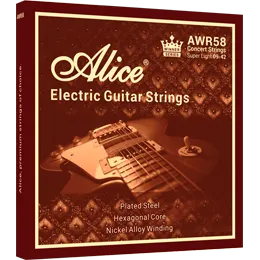
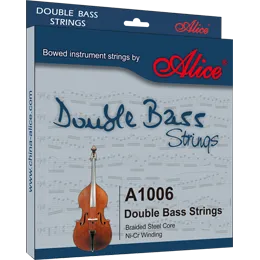
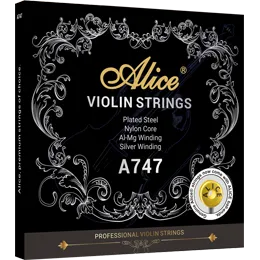



By Alice String — China’s Leading Guitar String Manufacturer
Global demand for OEM guitar strings continues to rise in 2026 as more brands, distributors, and eCommerce sellers seek private-label music accessories. This guide provides a complete overview of OEM manufacturing for acoustic, electric, and classical guitar strings — covering materials, workflow, customization, packaging, MOQ, and quality standards.
In 2026, several major factors are driving OEM/ODM growth in the guitar string industry:
1.1 Rising Demand from Emerging Markets
Countries such as Brazil, Mexico, India, Indonesia, and Eastern Europe show rapid growth in beginner guitar markets.
More local brands are turning to OEM factories to create affordable products.
1.2 Online Brands Increasing Private Label Orders
Sellers across various platforms are seeking OEM guitar strings to reduce costs and establish their own independent brands.
1.3 Guitar Manufacturers Outsourcing Strings
Many guitar factories no longer produce strings internally.
Instead, they partner with OEM suppliers for stable bulk production.
1.4 Higher Requirements for Quality Stability
Consumers demand longer lifespan and better tuning stability.
This forces OEM factories to improve:
Wire selection
Coating technology
QC systems
Packaging performance (anti-rust)
1.5 Environmentally Friendly Packaging Rising
More brands request:
Paper-based packaging
Recyclable pouches
Non-plastic outer boxes

High-quality guitar strings depend heavily on raw materials.
Alice sources from certified global suppliers to ensure tone consistency and durability.
2.1 Core Wire (Inner Wire)
High-Carbon Steel Core
Hex-Core / Round-Core Options
Hex-core = better tension stability
Round-core = warmer tone and longer sustain
2.2 Winding Wire (Outer Wire)
For different string types:
Acoustic Guitar Strings
80/20 Bronze
Phosphor Bronze
Silk & Steel
Electric Guitar Strings
Nickel-Plated Steel
Stainless Steel
Cobalt Alloy
Classical Guitar Strings
Clear or black nylon trebles
Silver-plated copper wound basses
2.3 Coating Materials
Anti-rust coating
Nano coating
Colored coating
Polymer protective film
Related Article: “Phosphor Bronze vs 80/20 Bronze – Which Is Better for OEM Brands?”
The guitar string manufacturing process contains 21+ critical steps.
Below is the simplified OEM version used by Alice String:
3.1 Wire Drawing & Core Preparation
Select high-carbon steel wire
Draw to specific diameter
Stress relief treatment
Apply anti-rust coating
3.2 Winding Process
Wind bronze, nickel, or other alloys onto steel cores
Computer-controlled winding speed
Tension precision ±0.5%
3.3 Coating Technology
Depending on OEM requirements:
Polymer nano coating
Color coating
Anti-rust plating
Surface micro-film treatment
Coated strings last 2–5× longer than uncoated ones.
Related Article: “Do Coated Guitar Strings Really Last Longer? (Full Test Data)”
3.4 Cutting & Ball-End Fixing
Precision cutting
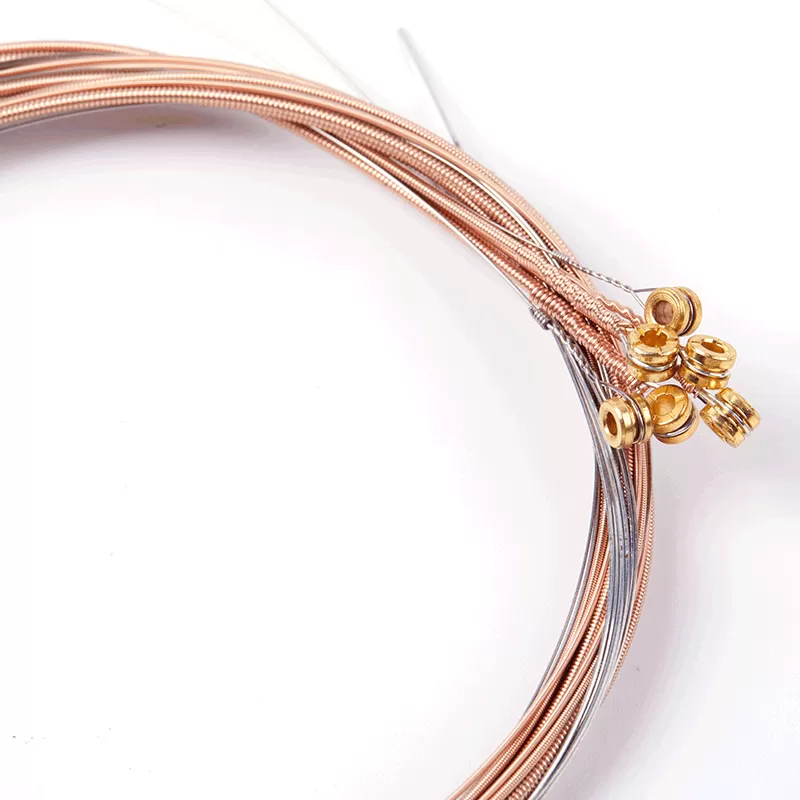
Brass ball-end installation
Pull-test to ensure >50 kg tensile strength
3.5 Pitch & Tension Testing
Every batch is tested for:
Tuning stability
Pitch accuracy
Consistency of tension
3.6 Rust-Proof Treatment
Before packaging, strings undergo:
Anti-corrosion spray
Dehumidification
Nitrogen flushing (optional premium OEM)
3.7 Final Packaging
Options:
Vacuum foil pouch
Individual paper envelopes
Retail box sets
Custom barcodes & SKU system
Modern brands require flexible customization.
Alice supports full OEM/ODM services.
4.1 Custom Gauges
Standard or special gauges:
Extra Light
Light
Medium
Heavy
Mixed / hybrid sets
4.2 Custom Materials
Phosphor Bronze
Stainless Steel
Nickel Plated Steel
Nylon
Coated or uncoated
4.3 Custom Coating
Nano coating
Polymer coating
Anti-rust coating
Colored coating (blue, red, gold, rainbow)
4.4 Custom Packaging
1-set retail pack
Bulk packaging (100–1,000 pcs)
Premium metal box
Eco-friendly kraft packaging
4.5 Custom Branding
Logo
Color system
Box design
Barcode / SKU
Private-label brand identity
5.1 MOQ (Minimum Order Quantity)
Product Type | MOQ |
Trial OEM Order | 300–1,000 sets |
Standard OEM Order | 3,000–10,000 sets |
Large Distributor Order | 20,000+ sets |
5.2 Lead Time
Order Level | Lead Time |
Trial Order | 7–10 days |
Standard OEM | 15–20 days |
Bulk Production | 20–30 days |
5.3 Price Factors
OEM pricing depends on:
Material
Coating type
Packaging level
Gauge complexity
Order quantity
Alice uses a multi-stage QC system:
Material Inspection
Diameter uniformity
Surface smoothness
Wire hardness
Production Inspection
Tension test
Winding density
Coating adhesion
Final Inspection
Tone test
Anti-rust performance
Packaging integrity
Step 1 — Tell us your specifications
Gauge, coating, material, tension, packaging.
Step 2 — Sample Production
Free samples for brand approval.
Step 3 — Packaging Design
Logo, colors, box style, barcodes.
Step 4 — Mass Production
Strict QC for every batch.
Step 5 — Shipping
Air freight, sea freight, or consolidated shipping.
This guide is ideal for:
Global guitar brands
Importers and wholesalers
Guitar manufacturers
Amazon / Shopee / Shopify sellers
Music schools and academies
Retail store chains
If you want private label guitar strings with stable quality and fast delivery, OEM is the best solution.
Alice supplies acoustic, electric, and classical strings to 60+ countries.
Tell us your gauge, coating, and packaging requirements — we reply in 48 hours.
Get Free OEM Samples
Request a Custom Quote
Download OEM Catalog
Author
Written by Alice Strings Technical Team
Based on Alice’s guitar string manufacturing experience and long-term feedback from educators and beginner players.