EN
Alice Strings News
News

Guitar Strings for Different Music Styles: Rock, Jazz, Classical

Release time: 2026-03-13
Views: 16
Share : icon-n1 icon-n2 icon-n3

Choosing the right guitar strings is essential for achieving the best tone, playability, and expression for your preferred music style. Different genres place different demands on tone, feel, and string response. Understanding these differences helps players select strings that complement their playing technique and musical goals.

This guide explains how string type, material, and gauge affect performance in rock, jazz, and classical music, and shows how Alice Guitar Strings cater to each style.


1. Rock Guitar Strings

Rock music often requires aggressive strumming, heavy riffs, and expressive solos. Strings need to provide brightness, sustain, and strong attack to cut through amplified sound.

Recommended String Types:

Electric: Nickel-plated steel or stainless steel

Gauge: Light (.009–.042) for lead guitar; medium (.010–.046) for rhythm

Tone Characteristics:

Punchy low end

Clear mids and articulate highs

Strong sustain under distortion

Playing Considerations:

Heavier gauge strings deliver more volume and note clarity but require finger strength

Stainless steel strings are ideal for cutting tone in high-gain settings

Alice Strings Recommendation:
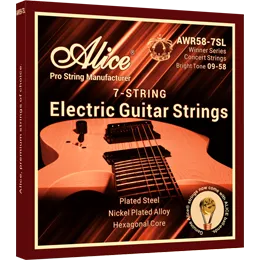
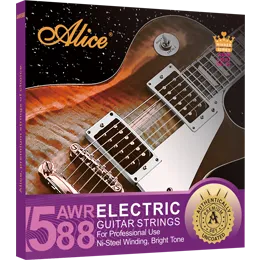
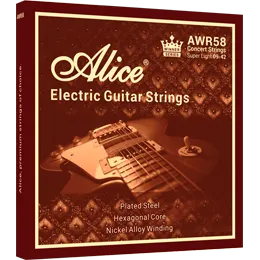
Alice electric guitar strings are engineered with consistent tension, precise winding, and corrosion resistance, providing reliable tone and playability for rock musicians, from beginners to professionals.

 Guitar Strings

2. Jazz Guitar Strings

Jazz guitar emphasizes smooth, warm tone, articulate chord voicings, and dynamic control. Players often need strings that balance clarity with a mellow, full-bodied sound.

Recommended String Types:

Electric: Nickel-plated steel or pure nickel

Acoustic: Phosphor bronze light or medium gauge

Gauge: Medium for both acoustic and electric, allowing dynamic control

Tone Characteristics:

Warm, balanced mids

Smooth high frequencies

Controlled resonance for chord comping and melodic lines

Playing Considerations:

Lighter gauges may feel easier for fast chord changes and improvisation

String materials that soften brightness are preferred to avoid harsh overtones

Alice Strings Recommendation:
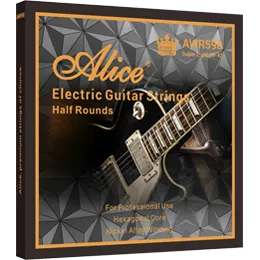
Alice strings provide even tension, smooth feel, and consistent tone, making them ideal for jazz guitarists who require precision, articulation, and comfort for long sessions.


3. Classical Guitar Strings

Classical music demands expression, clarity, and balanced tension, particularly with nylon strings.

Recommended String Types:

Normal or high tension nylon strings

Gauge/tension selected according to skill level and guitar type

Tone Characteristics:

Warm, rich sound with clear note separation

Soft trebles for fingerstyle articulation

Bass strings with smooth projection

Playing Considerations:

Beginners usually start with normal tension for comfort

Advanced players may prefer high tension for more volume and projection

Choosing the right tension prevents fatigue and protects the guitar top

Alice Strings Recommendation:
Alice classical guitar strings are precisely tensioned, with smooth nylon trebles and evenly wound basses, delivering consistent tone and comfortable playability for students, teachers, and performers.


4. Matching String Material and Gauge to Your Style

Music Style

Recommended Material

Typical Gauge

Notes

Rock

Nickel-plated or stainless steel

Light–Medium

Bright, punchy tone, suitable for high gain

Jazz

Nickel-plated or phosphor bronze

Medium

Warm, balanced tone for chords and lead lines

Classical

Nylon (normal/high tension)

Normal or high tension

Smooth articulation, controlled projection

By matching string material, gauge, and tension to your genre, you optimize tone, comfort, and playing technique.


Why Choose Alice Guitar Strings?

Alice Guitar Strings are manufactured with decades of experience, emphasizing:

Precise material selection and winding consistency

Stable tension and tuning reliability

Comfortable playability and long-lasting tone

Whether you play rock, jazz, or classical music, Alice strings provide reliable performance, helping players develop technique, express musicality, and achieve consistent sound across all styles.

➡ Explore Alice Guitar Strings by Style
➡ View the complete Guitar Strings collection


learn about Alice string-related products


Acoustic Guitar StringsElectric Guitar StringsClassical Guitar Strings
Acoustic Guitar Strings

Electric Guitar Strings

Classical Guitar Strings


Conclusion

Selecting the right guitar strings for your music style is essential for:

Achieving your desired tone

Ensuring comfort and playability

Enhancing control and expression

Rock: punchy, bright, aggressive

Jazz: warm, balanced, articulate

Classical: smooth, expressive, precise

Understanding how material, gauge, and tension interact with your guitar allows you to make informed choices and get the most out of your instrument. Alice Guitar Strings provide a trusted, high-quality option for every style and level of player.


Author
Written by Alice Strings Technical Team
Based on Alice’s guitar string manufacturing experience and long-term feedback from educators and beginner players.

Relate News

Alice-acoustic-guitar-string

Acoustic Guitar Strings Explained: Materials, Tone & Playability

Acoustic guitar strings play a crucial role in shaping tone, projection, and overall playing comfort. For acoustic instruments, string choice directly affects how the guitar responds to the player’s touch, from subtle fingerstyle dynamics to full strumming patterns. Understanding how different materials, gauges, and constructions influence sound helps players choose acoustic guitar strings that truly match their musical style, playing habits, and performance needs.
Electric Guitar Strings

Top 5 Electric Guitar Strings for Rock and Blues Players

When it comes to rock and blues, your guitar strings play a major role in defining your tone and playing feel. The right set of electric guitar strings can help you get closer to your signature sound. In this guide, we’ll look at five of the best electric guitar string types for rock and blues players, focusing on tone, playability, and durability.
Guitar Strings

How to Choose the Right Guitar Strings for Your Guitar

(Guide to Selecting the Perfect Strings for Acoustic, Electric, Classical, and Bass Guitars) Choosing the right guitar strings is one of the key steps to achieving your ideal tone and playing comfort. Whether you play acoustic, electric, classical, or bass guitar, the right string set can dramatically improve sound quality, tuning stability, and performance longevity.
nylon guitar strings manufacturer

Nylon Strings for Classical Guitars: Everything You Need to Know

At the heart of a classical guitar’s unique voice lies its nylon strings, which directly influence tone, playability, and overall musical experience. For musicians, retailers, and distributors, understanding the nuances of nylon strings is essential for making informed choices that meet performance and commercial needs.
Acoustic Guitar Strings

5 Key Indicators to Identify High-Quality Acoustic Guitar Strings

Acoustic guitar strings may look simple, but the difference between average and high-quality strings can be heard and felt immediately. Whether you are a professional performer, a studio musician, or a passionate hobbyist, learning how to recognize the hallmarks of premium acoustic guitar strings will help you achieve better sound, protect your instrument, and improve your playing experience.
Guqin Strings

What Are Guqin Strings Made Of?

At the heart of the guqin’s unique voice lies one essential element: its strings. To the untrained eye, guqin strings may seem like simple cords stretched across wood. But in reality, they are complex, delicately crafted components that greatly influence the tone, resonance, tension, and even the historical authenticity of the instrument.
Nylon Strings

Silk Strings, Steel Strings, and Nylon Strings: Which Is Best for Your Traditional Music Performance?

Among the many string options available, three dominate discussions around traditional and acoustic instruments: silk strings, steel strings, and nylon strings. Each has unique characteristics, strengths, and limitations. But which one is truly best for your playing style, musical tradition, and personal preference?
acoustic guitar string​, electric guitar string

Complete Guide to Guitar String Materials

Choosing the right guitar strings is one of the most important decisions a guitarist can make—yet it's often overlooked. Beyond string gauge or brand, the material of the strings plays a crucial role in shaping the tone, feel, and even longevity of your instrument. Whether you play acoustic, electric, or classical guitar, understanding the different types of string materials can help you find the sound and feel that best matches your playing style.
Orchestral Strings

Orchestral Strings Explained: A Beginner-Friendly Guide to Violin, Viola, Cello, and Double Bass

Alice Strings is a trusted global brand offering a full range of high-quality strings for orchestral instruments, including violins, violas, cellos, and double basses.
acoustic guitar strings

Tone Comparison of Brass Alloy, Phosphor Bronze, and Coated Guitar Strings

Alice Strings is a trusted global brand in the world of musical accessories, offering a wide range of acoustic guitar strings, including 80/20 bronze, phosphor bronze, and coated variants.
Guitar Strings

How to Choose the Right Guitar Strings for Your Performance: A Scenario-Based Buying Guide

Alice Strings is a leading name in the world of musical accessories, offering a wide range of guitar strings tailored for every performance setting. Whether you're gearing up for a rock concert, playing unplugged in an acoustic café, or performing classical masterpieces on stage, Alice provides high-quality strings that deliver consistency, durability, and exceptional tone.
Custom guitar strings

OEM Guitar String Customization: A Detailed Guide to the Process

In today’s competitive musical instrument market, more brands and retailers are turning to OEM (Original Equipment Manufacturer) guitar strings​ to offer products under their own names. Whether you’re a startup music brand, a professional luthier, or a well-established music store chain, OEM customization allows you to tailor your guitar strings to meet the specific needs of your customers while building brand identity.
Leave A Message