EN
Alice Strings News
News

How to Play Open Chords on Classical Guitar Strings

Release time: 2022-04-29
Views: 2452
Share : icon-n1 icon-n2 icon-n3

classical guitar strings 

Basically, an open chord is a chord where at least one classical guitar string is not fingered and the open classical guitar string vibrates freely. Open chords tend to put less stress on the player’s hands and fingers because there are fewer notes to fret. That is good news for starters who have been suffering from the painful fingers hurt by classical guitar strings.

Reasons Why Starters Should Learn Open Chords First

Beginner-Friendly

2.     While an open chord requires you to play a classical guitar string or more, the barre chord requires a player to use more fingers to press down on a single fret across multiple strings. Typically, a barre chord requires more strength to accomplish. For this reason, learning an open chord paves the road to a more complex chord, including the barre chord.

Have a Better Understanding of Classical Guitar


If you are a new guitar player, you might have met a chord chart but really have no idea how to read it. There are a few tips for you to read a chord chart:


  • The chord chart will show a thicker black line at the top to represent the nut of your guitar, and below are the first 4 frets. It is usually known that the represented chords that are played closer to the nut are open chords unless you see a number in front of the chord chart representing a different fret further down the neck of the guitar.
  • Lastly, the dots tell you where to put your fingers – just follow it, and then you will know how to play a chord.

How to Combine Open Chords?


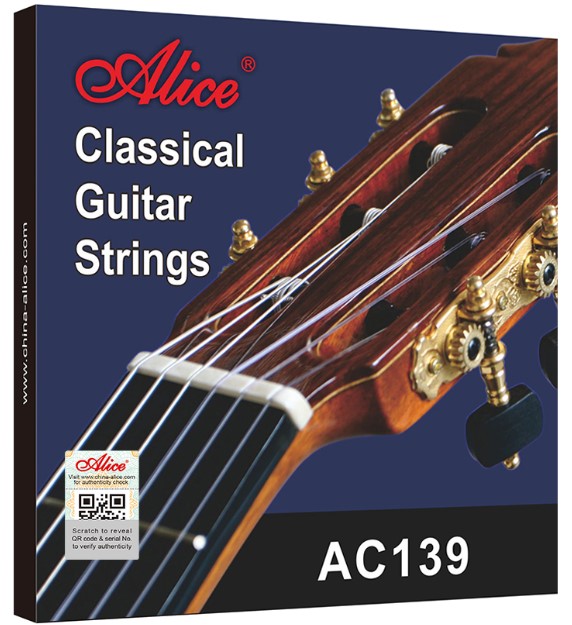
As a starter who needs to practice a lot, you are in need of durable classical guitar strings that save your money. What’s more, the classical guitar strings set should be bright and clear for you to identify if you are playing a harmonious chord. That is why you should choose : these titanium-nylon-plain strings have a transparent purple appearance and anti-rust coating that supports long-time playing. The wound material is silver plated 85/15 bronze, performing warm sound.
We hope that this article is valuable to you in your new journey as a guitarist. We at aim to improve our customer’s guitar-playing experience by providing high-quality strings. This is why we have dedicated ourselves to producing some of the best guitar strings in the market today. Our multiple lines of classical guitar strings have superb quality, so feel free to contact us if you would like to enjoy them!

Relate News

guitar string manufacturer

The Anatomy of a High-Quality Guitar String

Discover the technical elements of high-quality guitar strings. From hex-core tension stability to nano-coating, explore Alice String’s B2B OEM/ODM manufacturing standards.
Musical Instrument Strings

Guitar String Gauge Explained (Chart + Usage Guide)

Choosing the right guitar string gauge is crucial for tone, playability, and overall customer satisfaction. This guide explains gauge definitions, effects on tone and playability, popular gauges, selection tips, and OEM gauge combinations for private-label brands.
Phosphor Bronze vs 80/20 Bronze

Phosphor Bronze vs 80/20 Bronze Strings — OEM Manufacturing Differences

Explore the technical and manufacturing differences between Phosphor Bronze and 80/20 Bronze guitar strings. From material science and production complexity to cost analysis and coating requirements, Alice Strings provides professional OEM/ODM insights for global music brands and distributors.
Guitar Strings Manufacturer

How to Choose a Guitar Strings Manufacturer for Your Brand

Learn how to choose a reliable guitar strings manufacturer for your brand. This OEM guide covers production capability, customization, quality control, MOQ, and global supply considerations.
Guitar Strings OEM

Why Choose Alice Strings as Your Guitar Strings OEM Partner?

Looking for a reliable guitar strings OEM manufacturer? This guide explains how Alice Strings helps brands, distributors, and eCommerce sellers develop custom guitar strings with flexible MOQ, private label options, and stable global supply.
Bass Guitar String

Bass Guitar Strings Guide: Roundwound vs Flatwound

learn about differences between roundwound and flatwound bass strings, helps you choose the right type for your instrument and style, and shows how Alice Bass Guitar Strings deliver consistent performance.
Nylon vs Steel Guitar Strings

Nylon vs Steel Guitar Strings: Which Is Best for Your Needs?

Nylon strings, traditionally used on classical and flamenco guitars, are made from synthetic materials like nylon or fluorocarbon. They are softer and more flexible than steel strings, which affects both tone and playability.
Electric-guitar-strings

Electric Guitar Strings: Nickel vs Stainless Steel – Which Is Better?

Choosing the right electric guitar strings has a bigger impact on your tone and playing comfort than most beginners expect. Among all materials, nickel and stainless steel strings are the two most popular—and the most debated.
Electric guitar strings AE530

Electric Guitar Strings Gauge Chart and How It Affects Tone – A Complete Guide

Guitar Picks manufacturers

How Guitar Picks Affect Tone – And Why Stocking the Right Types Matters

The guitar pick, or plectrum, is the very first point of contact between the player and the strings. Its material, thickness, shape, and texture each affect how energy is transferred to the strings, shaping the instrument’s tone. Even the slightest change in pick design can alter the warmth, brightness, volume, and articulation of the sound produced.
guitar accessories OEM

Electric Guitar Strings Gauge Chart: A Complete Guide for Guitarists

As a trusted manufacturer offering electric guitar strings for wholesalers and guitar accessories OEM/ODM solutions, Alice provides competitive pricing, bulk availability, and reliable global distribution—supporting music stores, wholesalers, and educational institutions worldwide.
Violin Strings

What Are Violin Strings Made Of?

The violin, one of the most expressive and emotionally captivating instruments, produces its voice through the subtle vibration of its strings. While the bow and the violin body contribute to tone and resonance, it is ultimately the strings that define the instrument’s timbre, playability, and response. A question often asked by both learners and professionals is: What are violin strings made of? The answer involves centuries of evolution, material innovation, and craftsmanship that reflect both tradition and modern technology.
Leave A Message