


Beginner Guitar Starter Kit: Essential Accessories for New Guitar Players
Learn what to include in a beginner guitar starter kit, with practical accessory recommendations and OEM bundle options for brands and retailers.



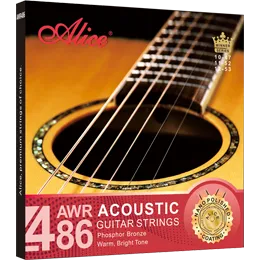
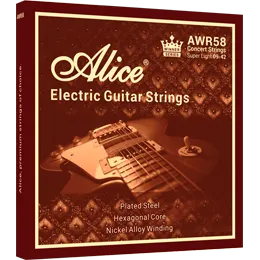
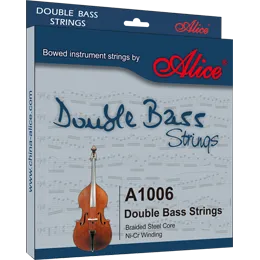
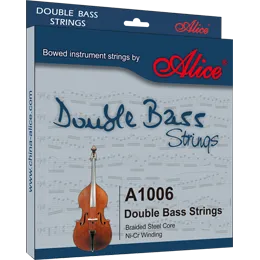



Bass strings are one of the most important components affecting your instrument’s tone, playability, and overall performance.
However, many players are unsure about one common question:
How long do bass strings actually last?
The answer depends on many factors, including:
· How often you play
· Your playing style
· String material
· Sweat and humidity exposure
· Cleaning habits
· Storage conditions
· Whether the strings are coated or uncoated
Unlike guitar strings, bass strings are thicker and generally last longer. However, even high-quality bass strings gradually lose brightness, flexibility, and tuning stability over time.
Knowing when to replace your strings helps maintain:
· Consistent tone
· Better intonation
· Improved playing comfort
· Reliable performance during recording and live shows
This guide explains how long bass strings typically last, the signs that indicate replacement is needed, and how to maximize string lifespan.
For most bass players:
Playing Frequency | Average String Life |
Professional daily use | 1–2 months |
Regular practice and performance | 3–6 months |
Occasional playing | 6–12 months |
Coated bass strings | 6–12+ months depending on usage |
There is no fixed replacement schedule. Some players prefer the bright tone of fresh strings and replace them frequently, while others prefer the warmer sound of older strings.
The right replacement time depends on your tone requirements and playing habits.
Bass strings are designed for durability, but they are constantly exposed to mechanical and environmental stress.
Over time, several factors affect string performance.
The more frequently you play, the faster your strings wear.
Professional musicians, touring artists, and recording players may replace strings every few weeks to maintain:
· Bright tone
· Reliable tuning
· Consistent attack
Bassists who play only occasionally may keep the same strings for six months or longer.
However, strings can still age due to:
· Oxidation
· Environmental exposure
· Loss of elasticity
Human sweat contains:
· Salt
· Moisture
· Acids
· Oils
These substances can accelerate corrosion, especially on uncoated strings.
Players with acidic sweat may notice:
· Faster loss of brightness
· Rough string surface
· Discoloration
· Reduced lifespan
Different materials naturally have different durability characteristics.
Characteristics:
· Warm tone
· Smooth feel
· Balanced response
Typical lifespan:
Several months depending on usage
Advantages:
· Comfortable playing feel
· Versatile tone
· Suitable for most styles
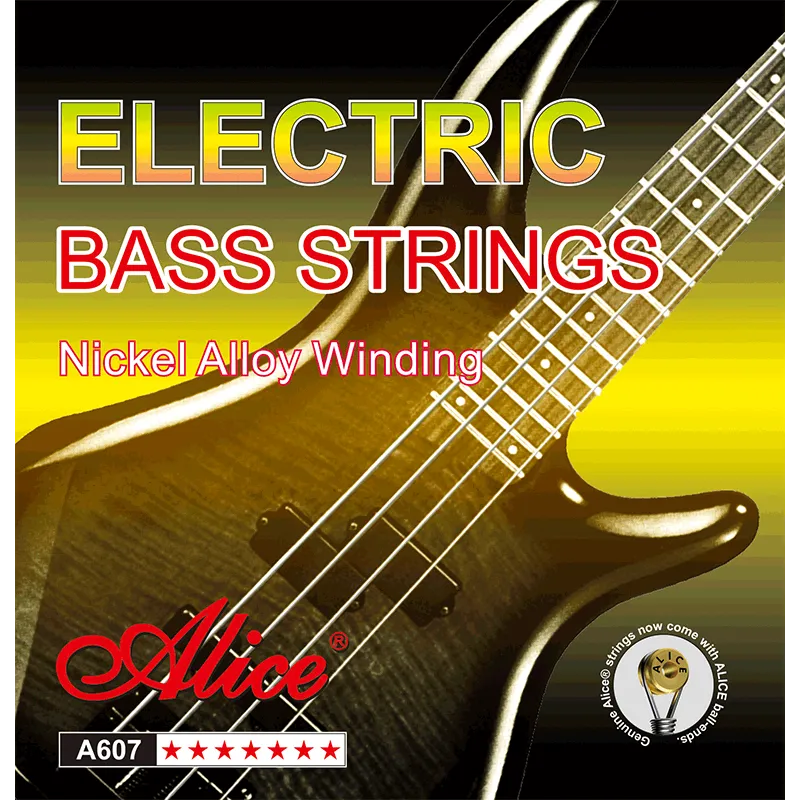
LIGHT 4-STRING NICKEL PLATED ALLOY ELECTRIC BASS STRINGS
Characteristics:
· Bright tone
· Strong attack
· Excellent clarity
Advantages:
· Better corrosion resistance
· Longer-lasting brightness
Popular among:
· Slap players
· Rock musicians
· Metal bassists
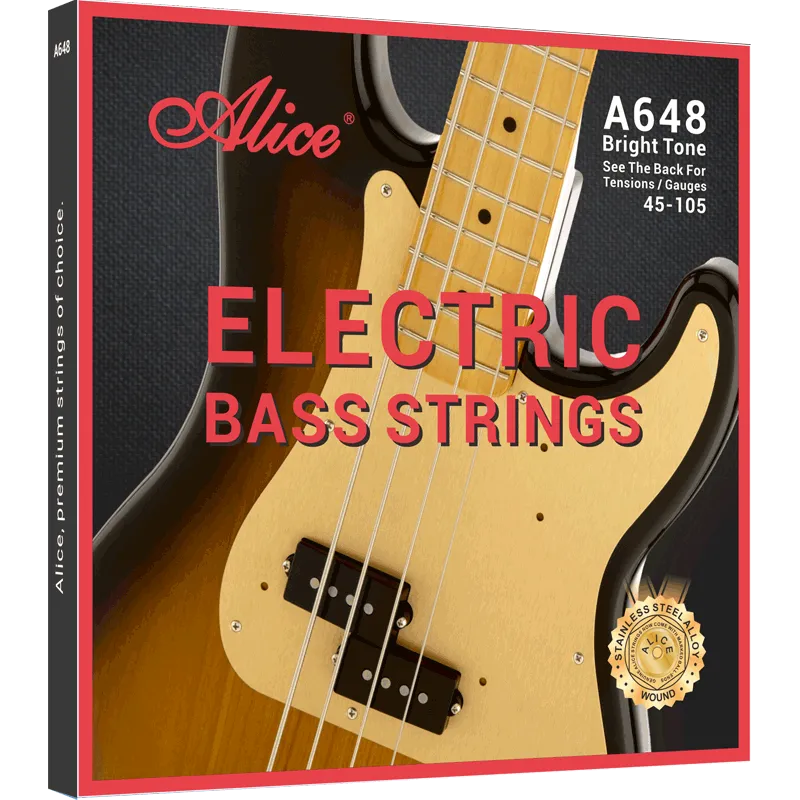
MEDIUM 4-STRING Stainless Steel PLATED ALLOY ELECTRIC BASS STRINGS
Coated strings include a protective layer that helps reduce exposure to:
· Sweat
· Moisture
· Dirt
Advantages:
· Longer usable life
· More stable tone
· Reduced maintenance
They are especially useful for:
· Touring musicians
· Players in humid environments
· Players who want fewer string changes
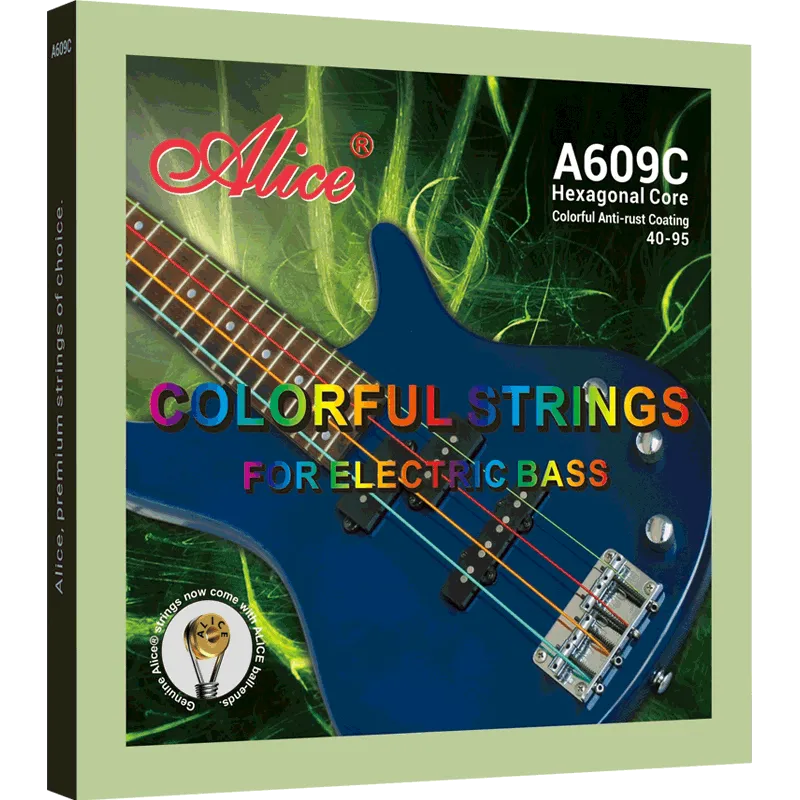
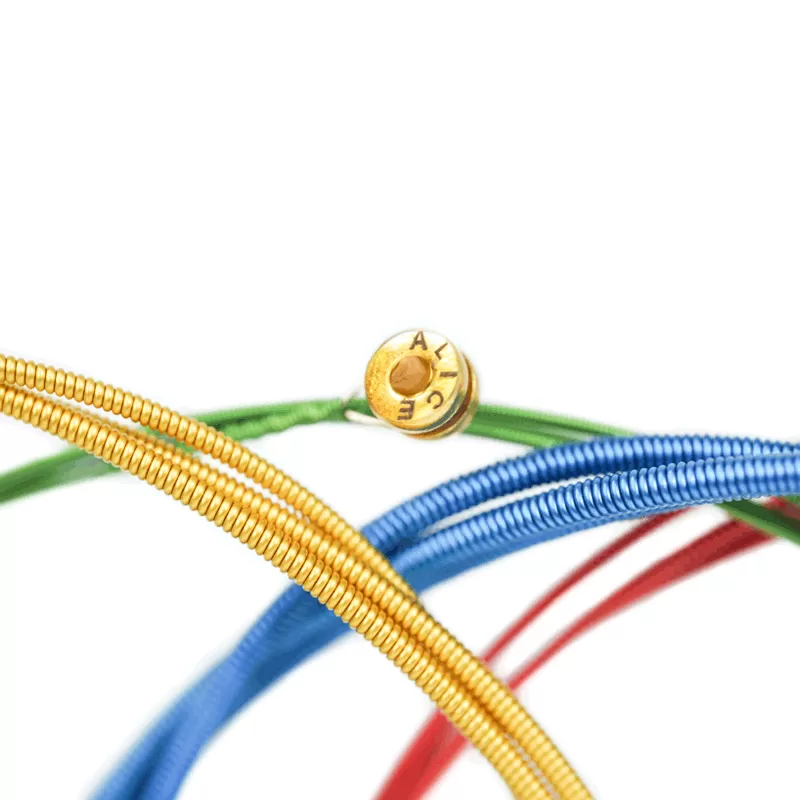
LIGHT 4-STRING COLORFUL COPPER PLATED ALLOY ELECTRIC BASS STRINGS
Many players wait too long before changing strings. Here are the most common signs that your bass strings are worn out.
Fresh strings usually provide:
· Clear highs
· Strong attack
· Better articulation
As strings age, they gradually become:
· Darker sounding
· Less responsive
· Less defined
If your bass sounds dull even after adjusting your amplifier, worn strings may be the reason.
Old strings may lose their ability to maintain consistent pitch.
Signs include:
· Frequent retuning
· Unstable notes
· Poor intonation
This happens because older strings lose elasticity and consistency.
Healthy strings vibrate efficiently.
Worn strings may produce:
· Shorter sustain
· Weaker resonance
· Less dynamic response
Physical appearance is an obvious indicator.
Replace strings if you notice:
· Rust spots
· Dark corrosion
· Rough texture
· Damaged winding
Fresh strings usually feel smooth and responsive.
Older strings may feel:
· Sticky
· Rough
· Uneven
This can affect:
· Sliding technique
· Finger comfort
· Playing speed
There is no universal replacement schedule for bass strings. The ideal replacement frequency depends on how often you play, your musical style, and the type of sound you want to achieve.
A touring musician and a bedroom practice player will have completely different replacement needs.
Playing Frequency | Recommended Replacement Time | Reason |
Professional / Daily Playing | Every 1–2 months | Maintain consistent tone and performance |
Several Times Per Week | Every 3–6 months | Balance tone and cost |
Weekly Practice | Every 6–12 months | Slower wear rate |
Occasional Playing | 12 months or longer | Depends on storage and condition |
These are general recommendations. Some players replace strings earlier for maximum brightness, while others prefer the warmer tone of aged strings.
Professional bassists often replace strings more frequently because their performance depends on consistent tone and reliability.
Touring musicians may change strings:
· Before important performances
· Before recording sessions
· During long tours
Reasons include:
· Consistent stage sound
· Better tuning stability
· Reduced risk of string failure
Recording environments often require precise tonal control.
Fresh strings provide:
· Clearer frequency response
· Better articulation
· More consistent dynamics
Many recording engineers prefer fresh strings because they sit more predictably in the mix.
Different string constructions provide different performance characteristics and lifespans.
Typical lifespan:
3–6 months for regular players
Advantages:
· Comfortable feel
· Balanced tone
· Versatile performance
Over time, nickel strings gradually develop:
· Warmer tone
· Reduced brightness
· Softer attack
Many players actually enjoy this warmer character for blues, jazz, and vintage styles.
Typical lifespan:
3–8 months depending on playing conditions
Advantages:
· Excellent brightness retention
· Strong corrosion resistance
· Clear articulation
Stainless steel strings are popular among players who need:
· Powerful attack
· Long-lasting brightness
· Consistent performance
Typical lifespan:
6–12+ months
Advantages:
· Protective coating reduces corrosion
· Less affected by sweat
· Lower maintenance requirements
Coated strings are especially suitable for:
· Touring musicians
· High-humidity environments
· Players who want longer replacement intervals
This depends on personal preference and playing style.
Some musicians prefer fresh strings because they provide:
· Maximum brightness
· Strong attack
· Clear articulation
Others prefer older strings because they produce:
· Warmer tone
· Softer highs
· Smoother character
· Funk
· Slap bass
· Modern pop
· Rock
· Studio recording
These styles often require:
· Strong attack
· Clear note separation
· Bright presence
· Jazz
· Blues
· Vintage rock
· Motown-style playing
These styles often benefit from:
· Warm tone
· Reduced brightness
· Smooth response
Proper maintenance can significantly increase string lifespan and preserve tone.
One of the easiest ways to extend string life is wiping your strings after every session.
Use a clean microfiber cloth to remove:
· Sweat
· Oils
· Dust
· Finger residue
This simple habit reduces corrosion and keeps strings feeling smoother.
Clean hands reduce the amount of:
· Oil
· Salt
· Dirt
transferred to the strings.
This is especially important for players whose sweat affects string life.
Environmental conditions have a major impact on string lifespan.
Avoid:
· Excessive humidity
· Extreme temperature changes
· Direct sunlight exposure
A stable storage environment helps protect both strings and the instrument.
String cleaning products can help remove buildup, but they should be used according to manufacturer recommendations.
Avoid products that may:
· Damage coatings
· Leave residue
· Affect string feel
If you frequently replace strings due to corrosion, coated bass strings may provide a practical solution.
They are especially beneficial for:
· Frequent performers
· Outdoor musicians
· Players in humid climates
Some musicians use boiling methods to temporarily restore old strings.
The idea is that heat removes:
· Dirt
· Oil buildup
· Residue
However, this method has limitations.
Boiling may:
· Temporarily improve brightness
· Reduce surface buildup
But it does not restore:
· Original tension
· Metal elasticity
· Structural strength
For professional performance, replacing worn strings is usually the better solution.
For important events, it is better not to wait until strings fail.
Consider replacing strings before:
· Live concerts
· Recording sessions
· Competitions
· Studio projects
However, avoid installing brand-new strings immediately before a major performance if you are unfamiliar with their feel.
Many players prefer changing strings several days before an event to allow:
· Stretching
· Stabilization
· Fine adjustment
As bass strings age, changes occur gradually.
String Condition | Tone | Feel | Performance |
New Strings | Bright, clear | Smooth | Maximum response |
Medium Age | Balanced | Comfortable | Good performance |
Old Strings | Warm, dull | Rougher | Reduced clarity |
The "best" replacement point depends on whether you prioritize:
· Brightness
· Warmth
· Comfort
· Reliability
If you want strings that last longer, consider:
Good for:
· Bright tone
· Corrosion resistance
· Heavy playing
Good for:
· Maximum lifespan
· Reduced maintenance
· Humid environments
The right gauge also affects durability.
Very light strings may experience:
· More movement
· Higher mechanical stress
Heavy strings may provide:
· Increased stability
· Stronger tension
Choosing the correct gauge helps optimize both performance and lifespan.
For individual players, choosing the right bass strings is mainly about tone, feel, and lifespan.
However, for music brands, distributors, and retailers, another important consideration is:
How can you develop bass strings that match your customers' needs and market positioning?
Custom bass strings provide a solution for companies that need more than standard products.
By working with an experienced bass string manufacturer, brands can create products with customized materials, gauges, packaging, and performance characteristics.
Different markets have different expectations for bass strings.
For example:
Beginner players usually prefer:
· Comfortable playing feel
· Balanced tone
· Reliable durability
· Affordable pricing
Experienced musicians may require:
· Specific tension characteristics
· Precise tone response
· Premium materials
· Consistent performance
Retailers and distributors may need:
· Unique product positioning
· Custom packaging
· Brand differentiation
· Stable supply capability
Custom bass strings allow companies to develop products designed specifically for their target customers.
A professional OEM bass string manufacturer can provide customization in multiple areas.
Different materials create different tonal characteristics.
Available options may include:
Features:
· Warm and balanced tone
· Smooth playing feel
· Wide musical compatibility
Suitable for:
· General-purpose bass strings
· Beginner products
· Rock and pop markets
Features:
· Bright tone
· Strong attack
· Excellent clarity
Suitable for:
· Slap bass
· Rock
· Metal
· Modern performance markets
Features:
· Extended lifespan
· Improved corrosion resistance
· Reduced maintenance
Suitable for:
· Professional players
· Touring musicians
· Humid environments
Different players require different tension and playing characteristics.
OEM customization can include:
· Light gauge bass strings
· Medium gauge bass strings
· Heavy gauge bass strings
· Custom gauge combinations
Examples:
Standard 4-string sets:
· .040–.095
· .045–.105
· .050–.110
Custom configurations can be developed according to:
· Target users
· Playing style
· Instrument requirements
· Market positioning
Support for different bass instruments:
· 4-string bass
· 5-string bass
· 6-string bass
· Short-scale bass
· Long-scale bass
· Extra-long-scale bass
This allows brands to build complete product lines for different customer groups.
For brands and distributors, packaging is an important part of product differentiation.
OEM services may include:
· Custom package design
· Brand logo printing
· Retail packaging
· Barcode labeling
· Product specifications customization
· Private label production
With more than 20 years of experience in musical instrument string manufacturing, Alice Strings provides professional bass string solutions for musicians, distributors, wholesalers, and international brands.
Alice focuses on delivering:
· Stable product quality
· Consistent string performance
· Flexible OEM/ODM solutions
· Reliable manufacturing support
Years of experience in string production allow Alice to understand the relationship between:
· Materials
· Winding technology
· Gauge selection
· String performance
Each production process focuses on:
· Material inspection
· Manufacturing consistency
· String performance testing
· Packaging quality
Alice provides:
· Nickel bass strings
· Stainless steel bass strings
· Custom bass string solutions
Whether you are developing a new music brand, expanding your product range, or searching for a reliable OEM supplier, Alice Strings can provide customized solutions based on your market requirements.
Most bass players replace strings every 3–6 months, but the ideal timing depends on playing frequency, string material, environment, and personal tone preference.
Professional musicians may replace strings every few weeks or months, while casual players may use the same strings for a year or longer.
Bass strings usually last longer than guitar strings because they are thicker and operate under different playing conditions.
However, bass strings still gradually lose:
· Brightness
· Flexibility
· Tuning stability
· Playing comfort
Common signs include:
· Dull tone
· Reduced sustain
· Tuning problems
· Rust or discoloration
· Rough playing feel
· Reduced string response
Yes. Coated bass strings generally last longer because the protective layer reduces exposure to:
· Sweat
· Dirt
· Moisture
· Corrosion
They are a popular choice for players who want longer replacement intervals.
Generally, stainless steel strings provide better corrosion resistance and maintain brightness longer.
However, lifespan also depends on:
· Playing frequency
· Sweat chemistry
· Storage conditions
· Maintenance habits
Old strings usually do not directly damage a bass guitar, but heavily worn strings may affect:
· Intonation accuracy
· Playing comfort
· Tuning stability
In extreme cases, corroded or damaged strings may increase the risk of breakage.
Yes. Replacing the complete set is usually recommended because all strings will have similar:
· Age
· Tension characteristics
· Tonal response
Mixing old and new strings may create uneven tone.
Higher-priced strings are not always necessary for every player.
The best choice depends on:
· Playing style
· Performance requirements
· Tone preference
· Expected lifespan
For professional musicians and recording situations, premium strings may provide better consistency and reliability.
Bass strings do not last forever, but understanding when and why they wear out helps players maintain better tone, comfort, and performance.
In general:
· Regular players: replace bass strings every 3–6 months
· Professional players: replace more frequently for consistent performance
· Casual players: replace based on condition rather than time
· Coated strings: provide extended lifespan and reduced maintenance
The lifespan of bass strings depends on many factors, including material, gauge, playing style, and maintenance habits.
Choosing the right string type and replacing strings at the right time ensures your bass continues to deliver the tone and response you expect.
For musicians, retailers, and brands looking for reliable bass string solutions, Alice Strings provides professional manufacturing experience, flexible customization options, and OEM/ODM support for global markets.
· Bass Strings vs Guitar Strings
· Roundwound vs Flatwound Bass Strings
· How to Choose Bass String Gauge
· Nickel-Plated vs Stainless Steel Bass Strings
· How Long Do Bass Strings Last?
· Custom Bass Strings Manufacturer: OEM & Private Label Bass String Solutions
· How Bass Strings Are Made: Inside the Manufacturing Process