
Beginner Guitar Starter Kit: Essential Accessories for New Guitar Players
Learn what to include in a beginner guitar starter kit, with practical accessory recommendations and OEM bundle options for brands and retailers.


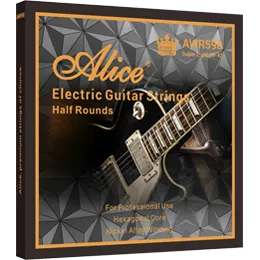
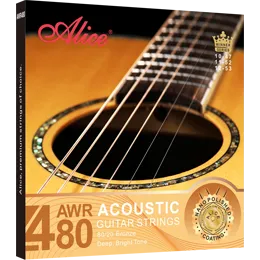
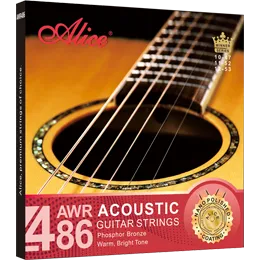
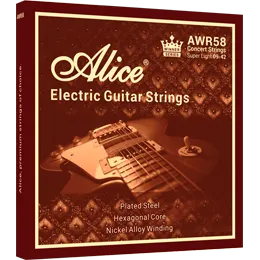
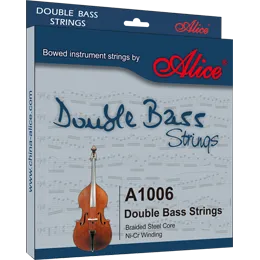
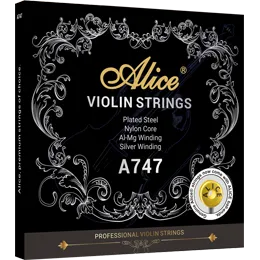
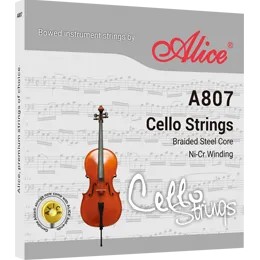


By Alice String — Trusted Guitar String Manufacturer
Choosing the right guitar string manufacturer in China is a critical decision for guitar brands, distributors, wholesalers, and e-commerce sellers. The supplier you select directly affects product quality, customer satisfaction, brand reputation, and long-term business growth.
A reliable manufacturer should provide more than competitive pricing. Buyers should evaluate manufacturing capability, material quality, production control, customization options, and export experience before starting an OEM partnership.
After identifying the right supplier, buyers also need to understand the complete sourcing process, including MOQ, pricing, shipping, and import requirements.
Learn more about :complete process of importing guitar strings from China
This guide explains how to evaluate a Chinese guitar string factory, conduct supplier audits, verify quality control systems, and choose the right OEM or ODM manufacturing solution.
Choosing a direct manufacturer instead of a trading company helps brands achieve better quality control, faster communication, and greater customization flexibility.
Alice String has more than 20 years of experience in guitar string manufacturing, supporting global customers with acoustic, electric, classical, and customized guitar string solutions.
Our OEM capabilities include:
· Custom guitar string development
· Acoustic, electric, and classical string production
· Material selection support
· Gauge customization
· Coated string solutions
· Private label packaging
· Quality control throughout production
· International export support
From material selection and string construction to packaging design and mass production, Alice works with customers to develop guitar strings that match their target markets.
When selecting a guitar string factory in China, buyers should evaluate several key factors.
Experience is one of the most important indicators of supplier reliability.
A qualified guitar string manufacturer should have:
· Long-term experience producing different types of strings
· Knowledge of acoustic, electric, and classical guitar string construction
· Experience with international customers
· Stable production processes for repeat orders
Manufacturers with deeper industry experience are usually better prepared to handle material selection, customization requirements, and quality consistency.
Before cooperation, confirm whether the factory has suitable production capabilities for your product requirements.
Important factors include:
· Production equipment
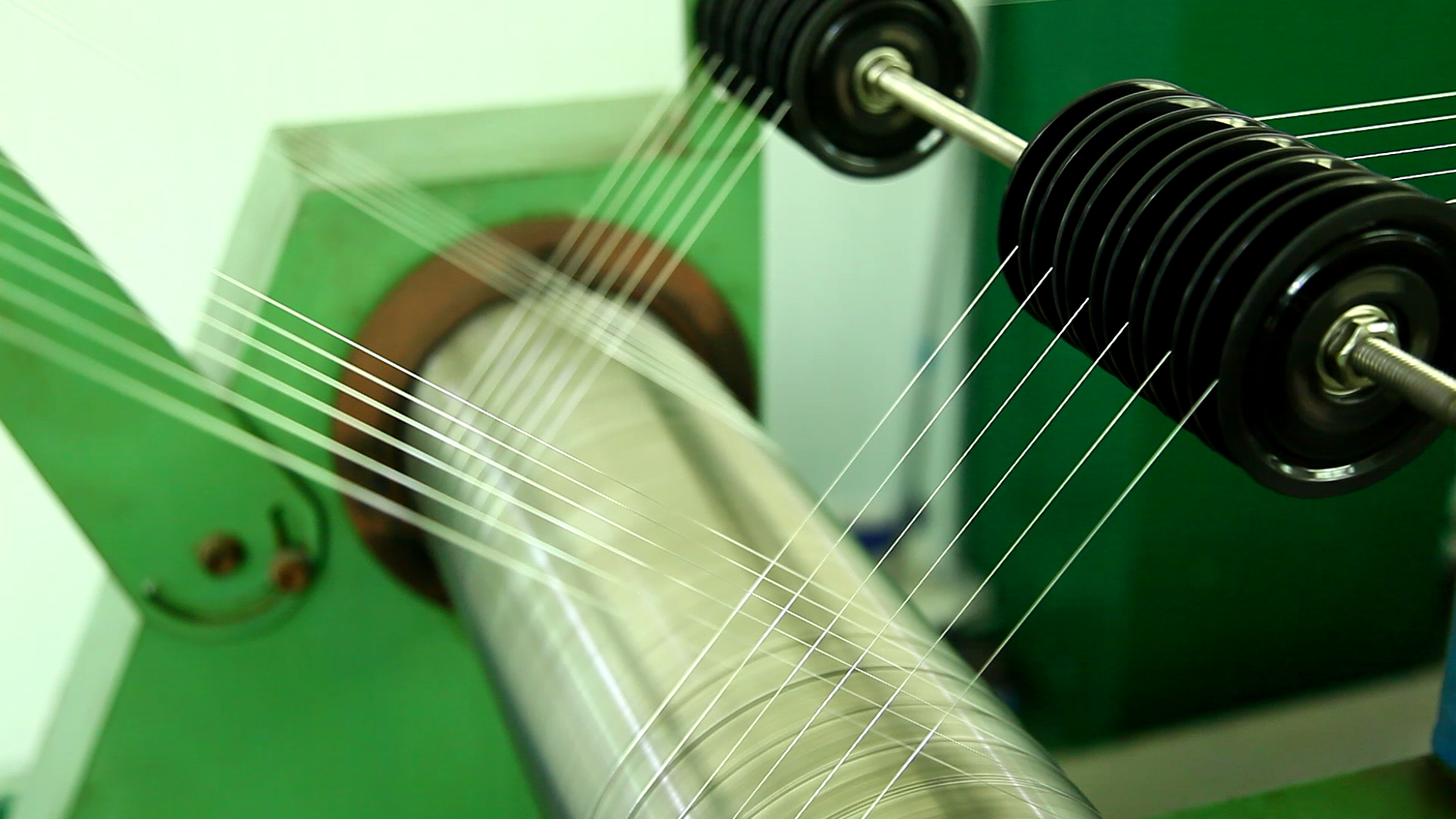
· String winding capability
· Available product categories
· Monthly production capacity
· MOQ requirements
· Lead time management
The right supplier should be able to support both initial small-volume orders and future business expansion.
String performance depends heavily on raw materials.
A professional manufacturer should understand and control materials including:
· High-carbon steel core wire
· Phosphor bronze
· 80/20 bronze
· Nickel-plated steel
· Nylon materials
· Coating materials
Stable raw material sourcing helps prevent quality fluctuations and supply interruptions during long-term cooperation.
Modern guitar string brands increasingly require differentiated products.
Manufacturers with stronger technical capabilities can provide:
· Coated guitar strings
· Anti-corrosion treatment
· Different gauge combinations
· Custom tone characteristics
· Color string options
· Packaging customization
These capabilities allow brands to create products that better match their target customers.
Many overseas buyers worry about working with trading companies instead of actual manufacturers.
Before cooperation, verify:
Check whether the supplier has:
· String production equipment
· Winding machines
· Quality inspection areas
· Raw material storage
· Packaging facilities
Ask about:
· Years of production experience
· Main product categories
· Export markets
· Previous OEM projects
A real manufacturer should be able to discuss:
· String structure
· Materials
· Gauge design
· Production processes
· Quality testing methods
Working directly with a factory provides better control over product quality, customization, and communication.
A factory audit helps buyers confirm whether a supplier can meet long-term production requirements.
During an audit, evaluate:
· Production equipment condition
· Manufacturing workflow
· Production efficiency
· Maintenance procedures
· Workplace organization
Before mass production, request samples and evaluate:
· Tone quality
· Tuning stability
· Playing feel
· String durability
· Coating performance
· Packaging quality
Sample testing helps identify potential issues before large-scale production.
A professional QC system helps maintain consistency between batches.
Check whether the factory has:
· Incoming material inspection
· Production inspection
· Final product testing
· Quality records
· Experienced technicians
Quality control is essential for OEM guitar string production.
A reliable manufacturer should control quality at every production stage.
Key checks include:
Inspection Item | Purpose |
Wire diameter | Ensure accurate gauge |
Material hardness | Maintain durability and tone |
Core alignment | Improve consistency |
Surface condition | Prevent defects |
During manufacturing, important checkpoints include:
· Winding precision
· Core wire positioning
· Coating adhesion
· Ball-end installation
· String tension consistency
Before shipment, manufacturers should evaluate:
· Tone consistency
· Pitch stability
· Corrosion resistance
· Packaging durability
· Appearance quality
Related Article: Do Coated Guitar Strings Really Last Longer?
Although guitar strings are not regulated like electronic products, international buyers may require compliance documentation depending on their markets.
Common requirements include:
RoHS documentation helps verify that products meet restrictions on hazardous substances for many international markets.
REACH-related documentation may be required for European market supply chains.
Some buyers may request independent material or product testing reports for quality verification.
A supplier familiar with export requirements can help reduce compliance risks.
Understanding OEM and ODM differences helps buyers choose the right cooperation model.
Feature | OEM | ODM |
Product design | Customer provides requirements | Factory provides solutions |
Customization | High flexibility | Limited customization |
Brand ownership | Customer brand | Depends on agreement |
Development control | Higher | Lower |
Buyer Type | Recommended Model |
New guitar brand | OEM with flexible MOQ and packaging |
Established brand | Fully customized OEM production |
Distributor | OEM standard product series |
E-commerce seller | Private label guitar strings |
Music retailer | Stable OEM supply program |
For most growing brands, OEM provides better control over product quality, branding, and market positioning.
Before placing an order, buyers should ask:
This helps confirm whether you are working with a real manufacturer.
Confirm whether the factory supports:
· Acoustic guitar strings
· Electric guitar strings
· Classical guitar strings
· Coated strings
· Custom specifications
Customization capability is important for private-label brands.
Sample approval reduces quality risks before mass orders.
Understanding production requirements helps buyers plan inventory and sales strategies.
Step | Description |
Requirement Discussion | Confirm string specifications, materials, and branding |
Sample Development | Develop strings and packaging samples |
Sample Approval | Evaluate performance and appearance |
Mass Production | Manufacture with standardized processes |
Quality Inspection | Verify finished products |
Delivery | Arrange international shipment and support |
Alice String supports brands, distributors, and wholesalers worldwide with reliable guitar string manufacturing solutions.
Our advantages include:
· 20+ years of guitar string manufacturing experience
· OEM and private label support
· Acoustic, electric, and classical string production
· Flexible customization options
· Stable quality control
· Export experience with international customers
Whether you are launching a new guitar string brand, expanding your product range, or developing customized strings, Alice can help transform your product ideas into market-ready solutions.
Looking for a reliable guitar string manufacturer?
Alice String can help you evaluate:
· String types
· Materials
· Gauge options
· Packaging solutions
· Custom OEM requirements
Contact Alice String today to discuss your project and request evaluation samples.
Author
Written by Alice Strings Technical Team
Based on Alice’s guitar string manufacturing experience and long-term cooperation with global customers.