
How Long Do Bass Strings Last? Signs You Need to Change Your Bass Strings
Learn how long bass strings last, when to replace them, signs of worn strings, and how material, playing frequency, and maintenance affect string lifespan.


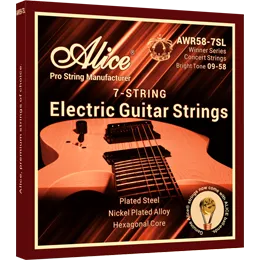
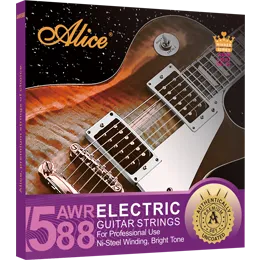
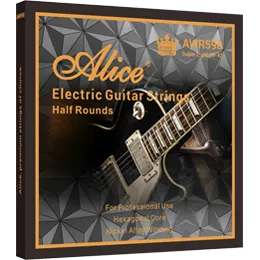

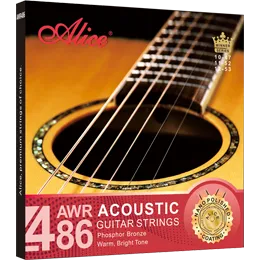
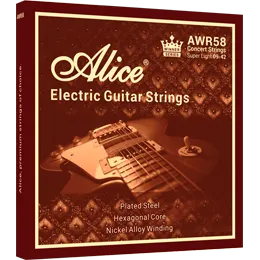
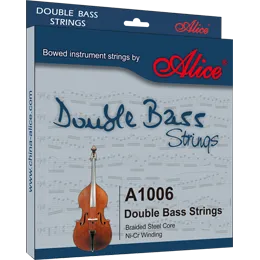
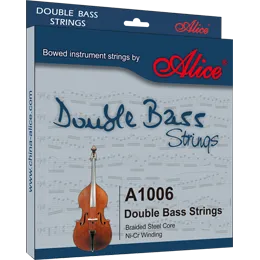
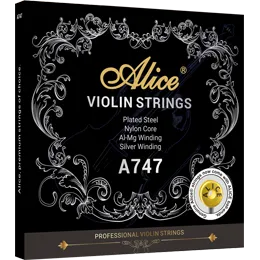
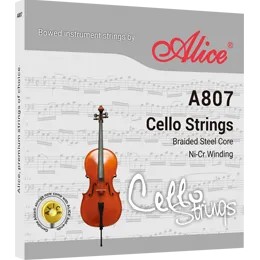

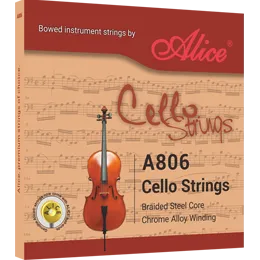


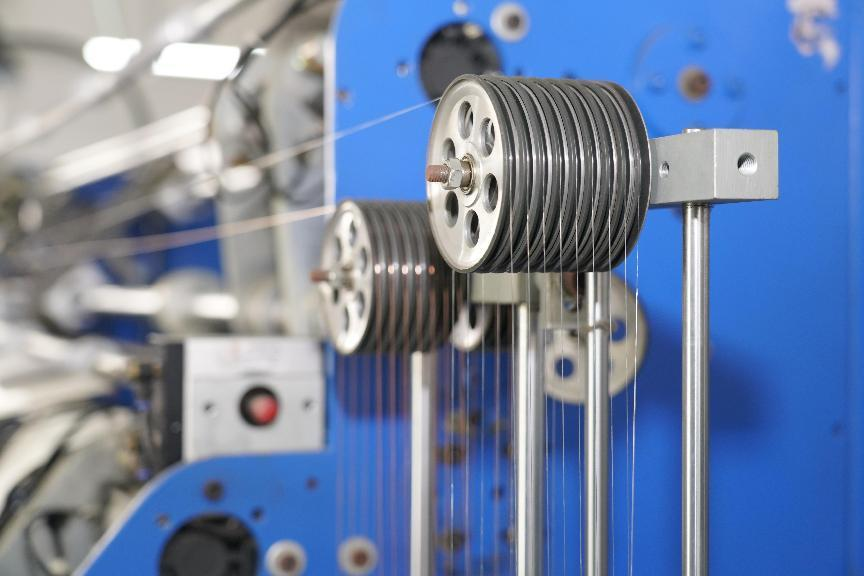
China has become one of the world's leading manufacturing centers for musical instrument accessories, supplying guitar strings, orchestral strings, ukulele strings, and related accessories to distributors, retailers, e-commerce sellers, and private-label brands worldwide.
For businesses looking to expand their product portfolio or launch a new brand, importing guitar strings from China offers significant advantages:
· Competitive manufacturing costs
· Mature supply chain
· Flexible OEM and private-label services
· Large production capacity
· Extensive product variety
However, successful importing requires more than simply finding the lowest-priced supplier. Product quality, manufacturing capability, logistics coordination, and supplier reliability all play a critical role in long-term business success.
This guide explains the complete process of importing guitar strings from China, helping buyers reduce sourcing risks and build a reliable supply chain.
China produces a substantial share of the world's musical instrument accessories and has developed a highly integrated supply chain for string manufacturing.
Key advantages include:
Large-scale production and efficient manufacturing systems allow Chinese suppliers to offer attractive pricing for wholesale buyers.
Chinese manufacturers can supply:
· Acoustic guitar strings
· Electric guitar strings
· Classical guitar strings
· Bass guitar strings
· Ukulele strings
· Mandolin strings
· Banjo strings
· Violin strings
· Cello strings
· Specialty instrument strings
Many factories offer:
· Custom packaging
· Brand logo printing
· Product labeling
· Barcode management
· Retail-ready packaging
Whether you're launching a startup brand or managing a large distribution network, many suppliers can accommodate varying order volumes and customization requirements.
Before contacting suppliers, create a detailed sourcing specification.
Determine which products you plan to import:
Common materials:
· Phosphor bronze
· 80/20 bronze
Common materials:
· Nickel-plated steel
· Stainless steel
Common materials:
· Nylon
· Carbon nylon
Common configurations:
· 4-string sets
· 5-string sets
· 6-string sets
Typical options include:
· Easier playability
· Popular among beginners
· Balanced tone and durability
· Greater volume and sustain
Choose between:
Suitable for wholesalers and distributors.
Suitable for music stores and e-commerce sales.
Includes:
· Custom logo
· Custom artwork
· Brand colors
· Marketing information
Clear specifications help suppliers provide accurate quotations and production timelines.
Supplier selection is one of the most important stages of the sourcing process.
Learn more about how to evaluate suppliers in our guide:
How to Choose the Right OEM Guitar String Manufacturer in China
Many buyers make the mistake of choosing suppliers based solely on price.
The lowest quote does not necessarily deliver the best value.
Understanding the difference can significantly impact costs and quality control.
Manufacturer | Trading Company |
Direct factory pricing | Additional markup |
Better production control | Limited factory control |
Faster customization | Longer communication chain |
Stable production planning | Depends on partner factories |
Better technical support | Limited engineering knowledge |
For OEM projects, working directly with manufacturers is generally preferred.
Consider the following factors.
Ask:
· How many production lines are available?
· What is the monthly output?
· Is automated winding equipment used?
· What coating technologies are available?
Experienced exporters typically understand:
· International packaging standards
· Customs documentation
· Logistics coordination
· Market-specific requirements
Ask suppliers about:
· Incoming material inspection
· Production quality control
· Final product testing
· Traceability procedures
Review:
· Existing OEM projects
· Packaging examples
· Branding capabilities
· Product customization options
Never place a large order without testing samples.
Sample evaluation helps verify whether supplier claims match actual product performance.
Evaluate:
· Brightness
· Sustain
· Balance
· Projection
Check whether multiple sets perform consistently.
Assess:
· String life
· Wear resistance
· Tuning stability
Strings should maintain performance under normal environmental conditions.
Review:
· Printing quality
· Material strength
· Barcode accuracy
· Label compliance
MOQ (Minimum Order Quantity) varies depending on product type and customization level.
Product Type | Typical MOQ |
Standard Products | 500–1000 Sets |
Custom Packaging | 1000–3000 Sets |
OEM Products | 3000–5000 Sets |
Actual requirements vary among manufacturers.
Many established suppliers offer flexible solutions for long-term partners and new brands.
Many factors influence pricing.
Material selection significantly impacts cost.
Examples include:
· Phosphor bronze
· 80/20 bronze
· Nickel-plated steel
· Stainless steel
· Nylon
Premium coatings improve durability but increase production costs.
Custom packaging adds:
· Printing costs
· Design costs
· Packaging material costs
Larger orders typically reduce per-unit costs.
Cost Item | Typical Share |
Product Cost | 60–80% |
Packaging | 5–15% |
Freight | 5–20% |
Customs Duties | Country Dependent |
Brokerage Fees | Country Dependent |
Buyers should calculate total landed cost rather than focusing only on unit price.
Private-label products require detailed planning before production begins.
Confirm:
· Logo placement
· Printing method
· Artwork approval
Include:
· SKU codes
· Barcodes
· Product descriptions
Confirm:
· Packaging structure
· Color design
· Language requirements
Outer cartons should meet shipping and warehouse requirements.
Always approve a pre-production sample before mass production.
Quality issues can damage customer satisfaction and brand reputation.
A structured quality inspection process reduces risk.
Performed by the manufacturer's QC team.
Independent inspectors verify product quality before shipment.
Products are tested based on statistically representative samples.
Ensures manufacturing precision.
Verifies performance specifications.
Measures tuning retention.
Evaluates long-term durability.
Confirms packaging accuracy and appearance.
Shipping strategy impacts both cost and delivery speed.
Advantages:
· Faster delivery
· Reduced lead time
Typical Transit Time:
5–10 Days
Best For:
· Urgent replenishment
· New product launches
Advantages:
· Lower shipping cost
· Better for bulk orders
Typical Transit Time:
20–40 Days
Best For:
· Wholesale shipments
· Regular inventory replenishment
Examples:
· DHL
· FedEx
· UPS
Best For:
· Samples
· Small orders
Accurate documentation helps avoid customs delays.
Contains transaction details.
Lists package contents.
Required for sea shipments.
Required for air shipments.
Required in certain markets.
Import regulations vary by country.
Before placing an order:
· Verify HS code classification
· Check import duties
· Review local compliance requirements
· Consult a customs broker when necessary
Proper planning prevents unexpected costs and delays.
Many sourcing problems can be avoided through proper planning.
The cheapest supplier may create higher long-term costs through quality issues.
Unverified products increase risk.
MOQ misunderstandings often delay projects.
Incomplete specifications lead to production errors.
Undetected defects can reach customers.
Product price alone does not reflect total import expenses.
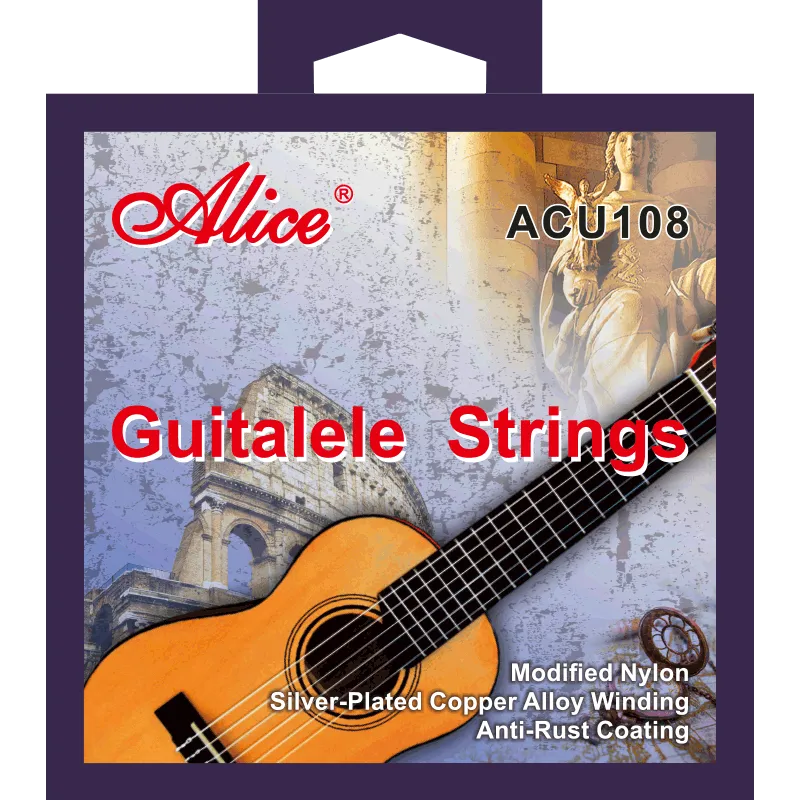
Alice Strings has served distributors, wholesalers, retailers, and private-label brands across international markets.
Including:
· Acoustic
· Electric
· Bass
· Flamenco
· Hawaii
· Violin
· Viola
· Cello
· Ukulele
· Banjo
· Mandolin
· Oud
· Cuatro
· Picks
· Capos
Services include:
· Custom branding
· Private label packaging
· Product customization
· Sample development
· Flexible MOQ programs
Production is supported by:
· Standardized manufacturing procedures
· Product testing processes
· Quality inspection protocols
· Continuous process improvement
Alice provides assistance with:
· International shipping
· Documentation preparation
· Logistics coordination
· Market-specific packaging requirements
Importing guitar strings from China can be a profitable and scalable business strategy when approached systematically.
Success depends on selecting the right manufacturer, verifying product quality, understanding costs, implementing quality control procedures, and establishing a reliable long-term partnership.
By following the sourcing framework outlined in this guide, distributors, retailers, and private-label brands can significantly reduce risk while building a stable supply chain for long-term growth.
Ready to Source Guitar Strings from China?
Whether you are launching a new music accessories brand or expanding an existing product portfolio, Alice Strings provides OEM, wholesale, and private-label solutions tailored to your business needs.
MOQ varies depending on product type, packaging requirements, and customization level.
Yes. Sample evaluation is strongly recommended before mass production.
Yes. Most manufacturers offer OEM and private-label services.
Production schedules vary depending on order size and customization requirements.
Sea freight is generally the most economical solution for bulk shipments.
Review manufacturing capabilities, export experience, certifications, and sample quality before ordering.
Many manufacturers support mixed-product orders, subject to MOQ requirements.
Strategies include optimizing packaging, consolidating shipments, and increasing order volume.