



How Bass Strings Are Made: Inside the Manufacturing Process
Learn how bass strings are made, from material selection and precision winding to quality control and packaging, with insights into OEM manufacturing.



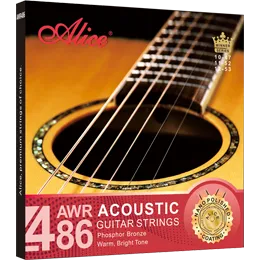







A guitar is only part of what you need to enjoy playing. The right accessories can significantly improve your tone, playing comfort, tuning stability, instrument protection, and long-term maintenance.
Whether you're learning your first chords, performing on stage, recording in a studio, or sourcing products for your music business, choosing the right guitar accessories helps you get the best performance from your instrument.
Some accessories, such as strings, picks, and tuners, are essential for every guitarist. Others—including maintenance tools, gig bags, humidifiers, and performance equipment—become increasingly valuable as your skills or professional requirements grow.
In this guide, you'll find a complete guitar accessories list, organized by category, guitar type, and skill level. We'll also share practical buying advice for retailers, distributors, private-label brands, and OEM buyers looking for reliable wholesale guitar accessories.
Guitar accessories are products designed to improve the playing experience, protect the instrument, simplify maintenance, or enhance live performance. While some accessories are considered essential for every guitarist, others are optional upgrades tailored to specific playing styles or professional needs.
Most guitar accessories can be grouped into four categories.
These are the accessories you use while practicing or performing.
Examples include:
· Capos
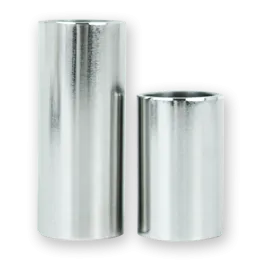
· Slides
· Finger picks
These accessories directly affect tone, feel, accuracy, and playing technique.
Regular maintenance keeps a guitar sounding its best and extends its service life.
Common maintenance tools include:
· Fretboard cleaners
· String lubricants
· Fretboard conditioning oil
Proper care also helps reduce corrosion and premature string wear.
Protective accessories reduce the risk of damage during transportation and storage.
Typical products include:
· Gig bags
· Hard cases
· Guitar stands
· Wall hangers
· Humidifiers
· Hygrometers
These are especially important for acoustic guitars, which are more sensitive to humidity changes.
Professional musicians often require additional accessories for rehearsals, recording sessions, and live performances.
Examples include:
· Instrument cables
· Wireless guitar systems
· Guitar pedals
· Pedalboards
· Power supplies
· DI boxes
· Clip-on tuners
While not essential for every player, these accessories greatly improve stage performance and recording flexibility.
The following list covers the most common guitar accessories used by beginners, hobbyists, professional musicians, retailers, and OEM brands.
Some are essential purchases, while others become valuable as your experience grows.
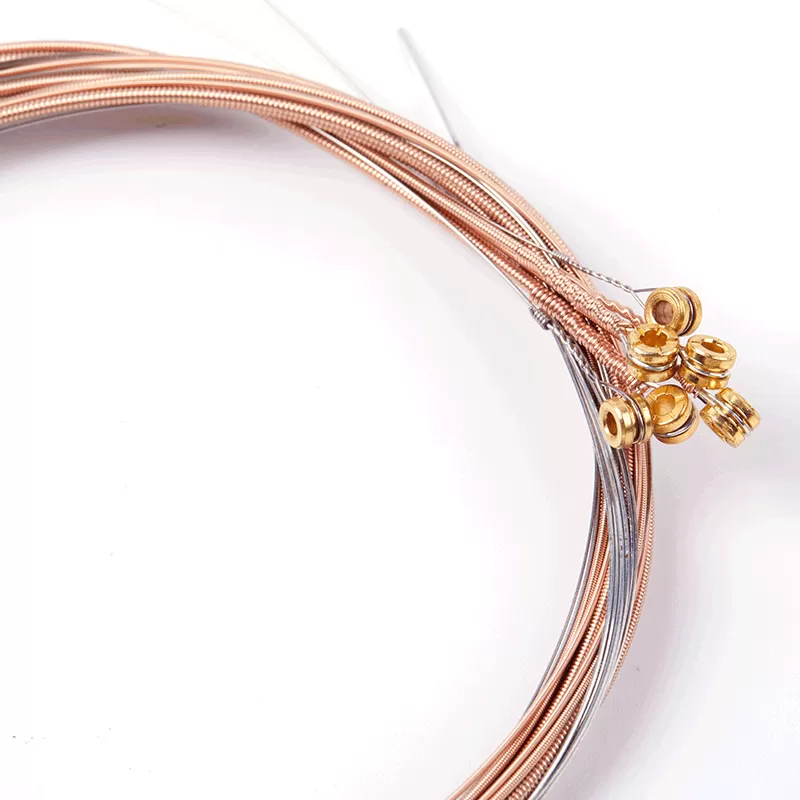
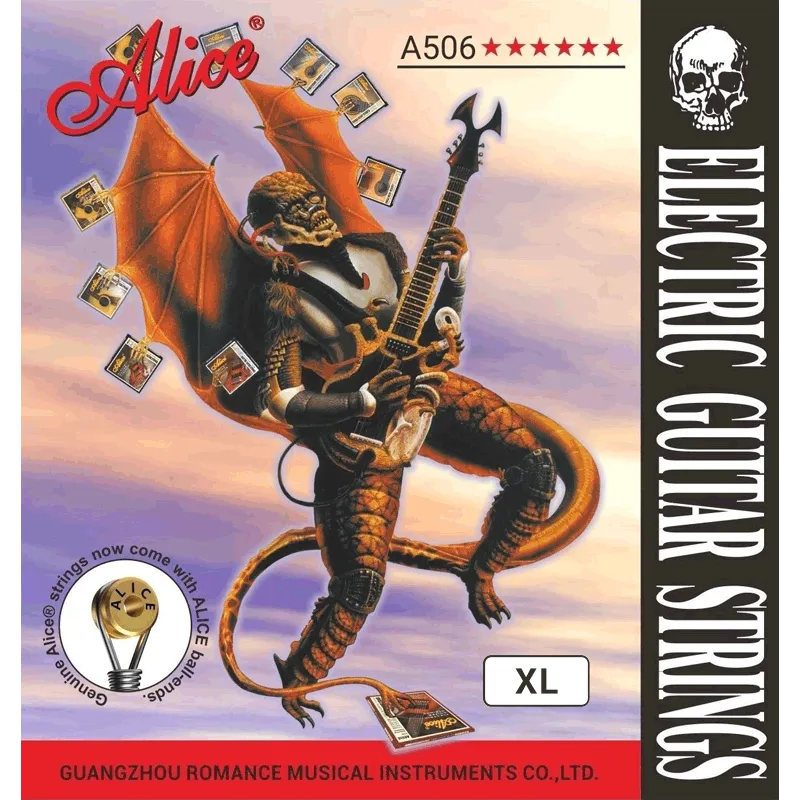
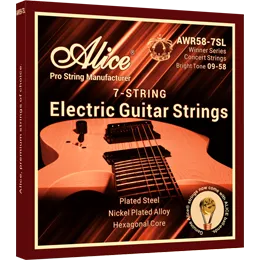
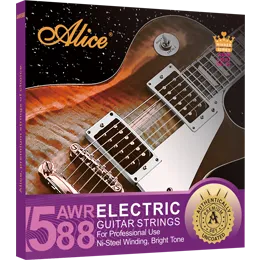
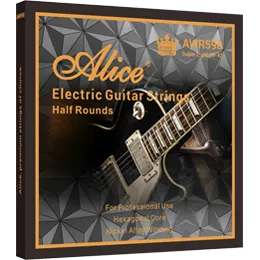
No guitar accessory affects your instrument more than the strings. They directly influence tone, playability, tuning stability, and overall performance.
Common Types
· Coated guitar strings
Why They Matter
· Define brightness and tonal balance
· Affect finger comfort and playing feel
· Influence sustain and projection
· Require regular replacement
For retailers and distributors, guitar strings are one of the highest-repeat-purchase products, making them a key category for long-term sales.
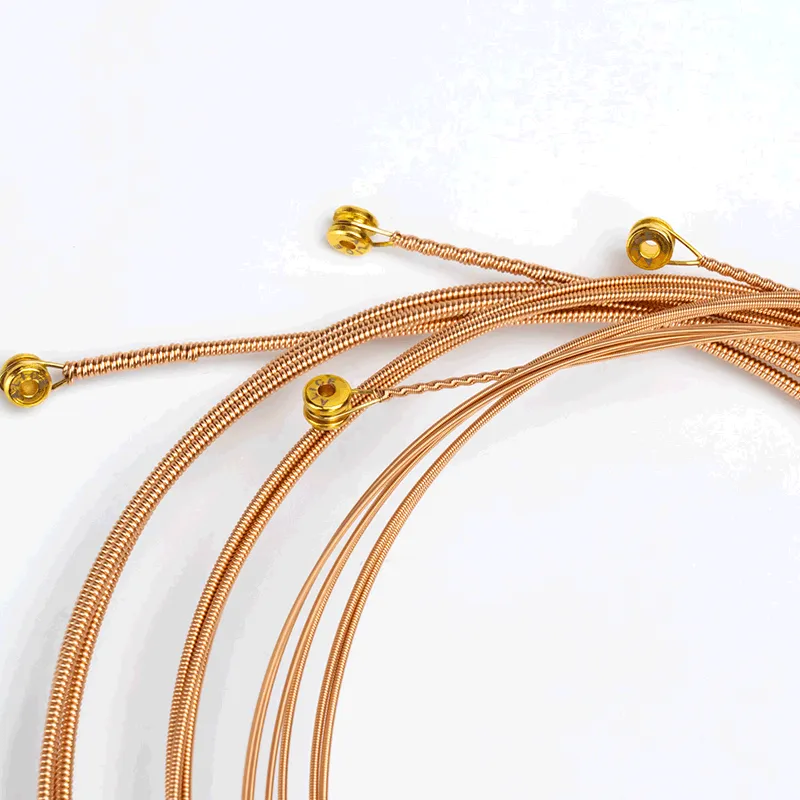
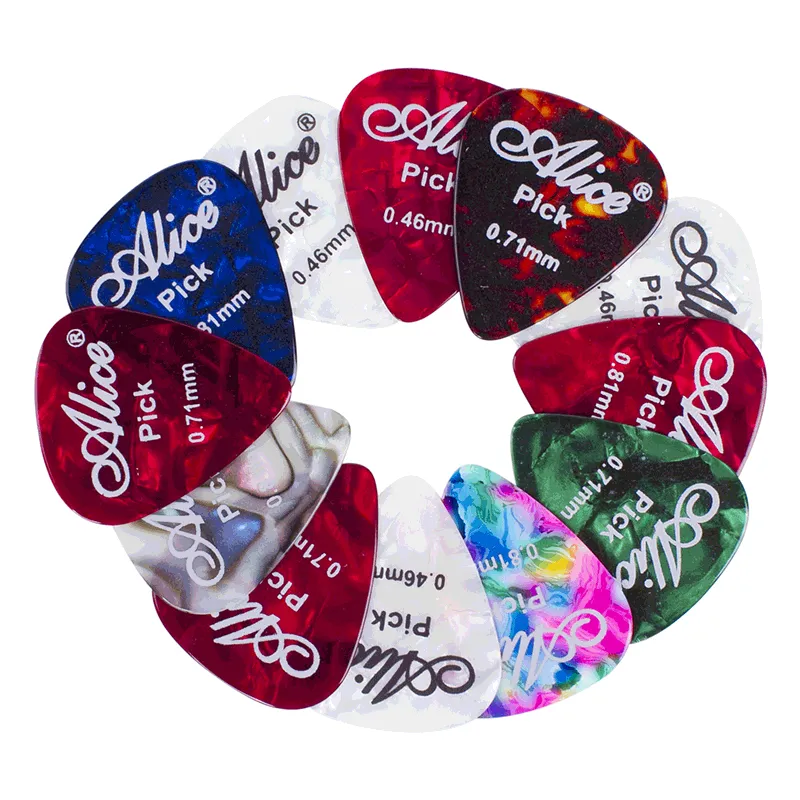
Although small and inexpensive, guitar picks have a significant impact on tone, speed, and playing accuracy.
Popular Materials
· Nylon
· Delrin
· Ultem
· Acrylic
Thickness Guide
· Thin (0.38–0.60 mm): smooth strumming
· Medium (0.60–0.88 mm): all-purpose use
· Heavy (0.88 mm+): lead playing and precise picking
Choosing different pick materials and thicknesses allows players to customize their playing experience.
Keeping a guitar properly tuned is essential for enjoyable practice and professional performance.
Common Types
· Clip-on tuner
· Pedal tuner
· Desktop tuner
· Smartphone tuning app
Benefits
· Accurate tuning
· Better ear training
· Improved sound quality
· Faster tuning during rehearsals and performances
A clip-on tuner is often the best choice for beginners due to its simplicity and affordability.
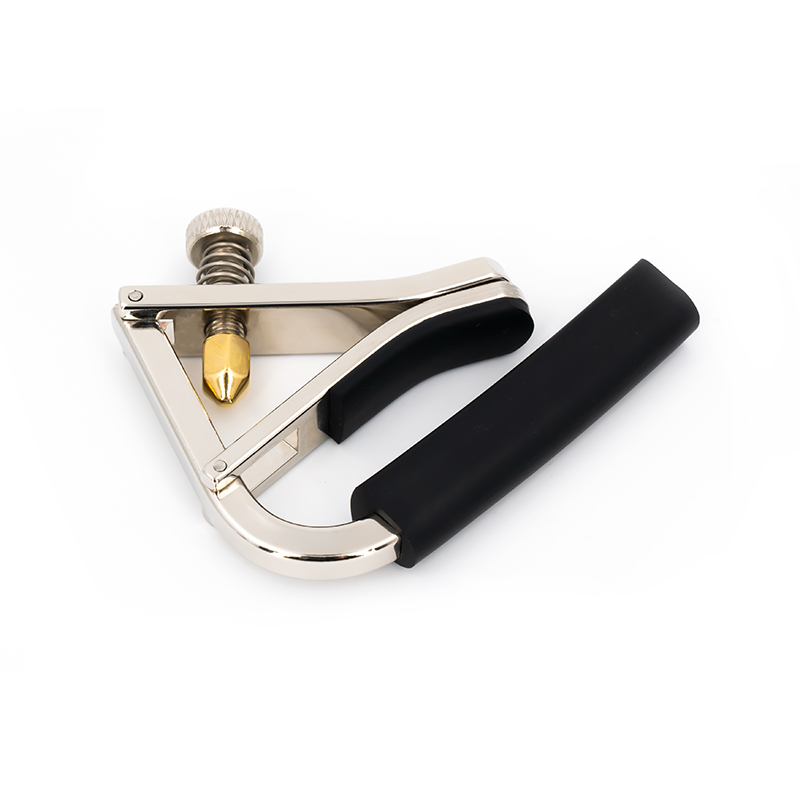
A capo clamps onto the guitar neck to raise the pitch of all strings without changing chord shapes.
Benefits
· Simplifies difficult songs
· Makes key changes quick and easy
· Expands creative playing options
· Popular for acoustic performances
Capos are widely used in folk, pop, country, and worship music.
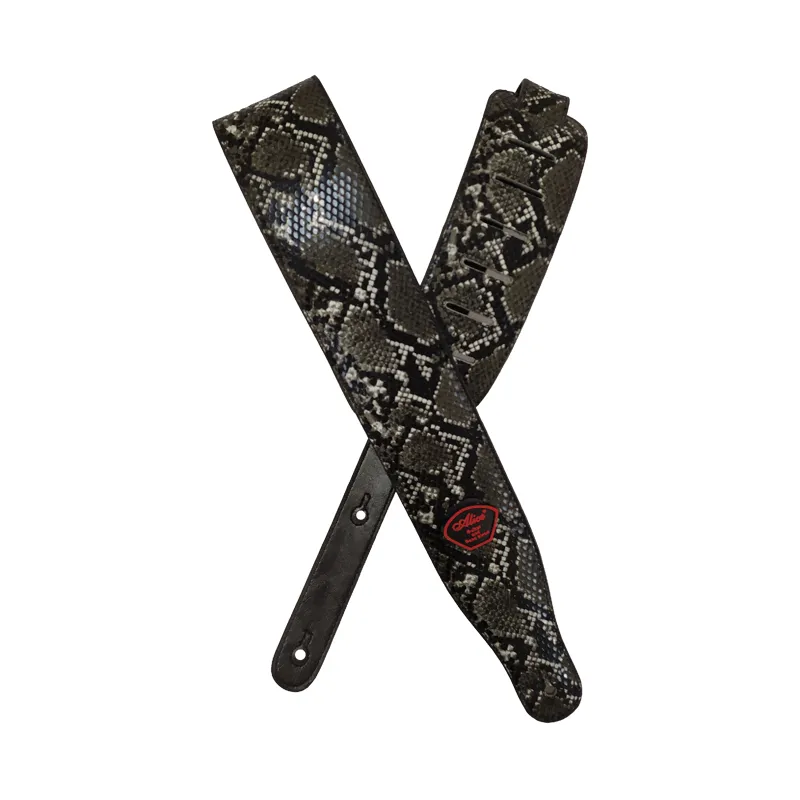
A quality strap improves comfort and stability while standing.
Common Types
· Nylon straps
· Cotton straps
· Leather straps
· Padded straps
Benefits
· Better posture
· Reduced shoulder fatigue
· Increased playing comfort
· Improved stage confidence
Many professional players also use strap locks to prevent accidental drops.
Transporting a guitar without protection increases the risk of scratches, impacts, and environmental damage.
Gig Bag
Best for:
· Daily practice
· School
· Local travel
Advantages
· Lightweight
· Affordable
· Easy to carry
Hard Case
Best for:
· Touring
· Shipping
· Long-distance transport
Advantages
· Maximum protection
· Better humidity insulation
· Longer product lifespan
Changing strings by hand can be slow and inconvenient.
A string winder speeds up tuning peg rotation, while a string cutter trims excess string safely and cleanly.
Benefits
· Faster string replacement
· Reduced hand fatigue
· Cleaner string installation
· Convenient maintenance
Many modern tools combine a string winder, bridge pin puller, and cutter into one compact accessory.

Routine maintenance helps preserve both appearance and sound quality.
A typical maintenance kit includes:
· Microfiber polishing cloth
· Guitar polish
· Fretboard cleaner
· Lemon oil or conditioning oil
· String lubricant
Benefits
· Removes dirt and fingerprints
· Prevents fretboard drying
· Reduces corrosion
· Extends string life
· Maintains a professional appearance
Leaving a guitar on the floor or leaning it against furniture can increase the risk of accidental damage.
A dedicated stand or wall hanger provides a safer and more organized storage solution.
Benefits
· Prevents falls and scratches
· Saves storage space
· Keeps the guitar within easy reach
· Ideal for homes, studios, classrooms, and retail displays
For valuable instruments, choose models with soft padding to protect the guitar finish.
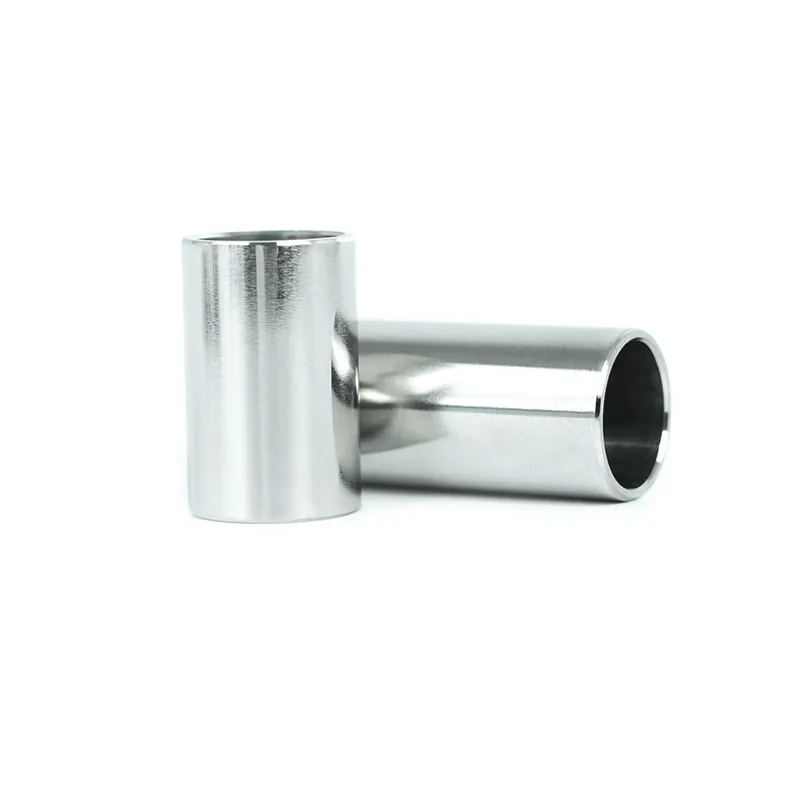
Slides create the smooth, expressive sound commonly heard in blues, country, and rock music.
Common Materials
· Glass
· Brass
· Steel
· Ceramic
Each material produces a slightly different tonal character, allowing players to experiment with their preferred sound.
Finger picks are commonly used for fingerstyle guitar, banjo, and resonator guitar.
Advantages
· Louder volume
· Improved picking consistency
· Increased playing speed
· Better note separation
They are especially popular among bluegrass and country musicians.
Wooden acoustic guitars are highly sensitive to changes in humidity.
A guitar humidifier helps maintain a stable moisture level inside the instrument.
Benefits
· Prevents cracks
· Reduces fret shrinkage
· Maintains neck stability
· Protects long-term tone quality
This accessory is particularly valuable for players living in dry climates or using air-conditioned environments.
Electric guitars require high-quality instrument cables to deliver a clean, noise-free signal.
When selecting a cable, consider:
· Shielding quality
· Connector durability
· Cable length
· Flexibility
A reliable cable helps reduce signal loss and unwanted interference during recording and live performances.
Effects pedals allow players to shape and customize their sound.
Common pedal types include:
· Overdrive
· Distortion
· Delay
· Reverb
· Chorus
· Compressor
Pedalboards help organize multiple pedals and simplify stage setup.
Wireless systems eliminate instrument cables, providing greater freedom of movement on stage.
Advantages
· Cleaner stage setup
· Greater mobility
· Reduced cable wear
· Convenient for live performances
Although unnecessary for most beginners, wireless systems are a popular upgrade for performing musicians.
Not every guitarist needs every accessory immediately. However, understanding the purpose of each item helps you prioritize purchases based on your playing style, skill level, and budget.
For retailers, distributors, and OEM buyers, offering a well-balanced selection of essential and premium accessories also creates more opportunities for repeat purchases, bundled sales, and private-label product lines.
Different guitars require different accessories to achieve the best tone, performance, and playing experience. Choosing accessories that match your instrument helps improve both sound quality and comfort.
Acoustic guitar players often prioritize natural tone, portability, and instrument protection.
Recommended accessories include:
· Phosphor bronze guitar strings
· Clip-on tuner
· Capo
· Soft or medium guitar picks
· Guitar humidifier
· Gig bag
· Guitar stand
· Maintenance kit
A humidifier is especially important for solid wood acoustic guitars, as changes in humidity can affect the neck, fretboard, and soundboard.
Electric guitar players typically require additional equipment for amplification and sound shaping.
Recommended accessories include:
· Nickel-plated electric guitar strings
· Instrument cable
· Pedal tuner
· Effects pedals
· Pedalboard
· Guitar strap
· Wireless guitar system
· Guitar stand
Professional players often invest in higher-quality cables and power supplies to reduce signal noise during recording or live performances.
Classical guitars use nylon strings and generally require fewer electronic accessories.
Recommended accessories include:
· Nylon strings
· Footstool or guitar support
· Nail care kit
· Clip-on tuner
· Soft gig bag
· Humidifier
Proper nail care is an important part of classical guitar technique and directly affects tone production.
Bass guitars use heavier strings and often require accessories designed for higher tension and larger instruments.
Recommended accessories include:
· Bass guitar strings
· Wide padded strap
· Clip-on tuner
· Instrument cable
· Hard case
· Maintenance kit
Wide straps help distribute weight more evenly, improving comfort during long rehearsals or performances.
Not every guitarist needs the same equipment. Your accessory needs will naturally change as your skills and playing situations evolve.
Focus on essential accessories only.
Recommended items:
· Guitar strings
· Picks
· Clip-on tuner
· Capo
· Gig bag
· String winder
· Maintenance cloth
These accessories provide everything needed for daily practice without unnecessary expense.
As skills improve, additional accessories can increase convenience and tonal flexibility.
Recommended upgrades include:
· Higher-quality strings
· Leather strap
· Guitar stand
· Maintenance kit
· Guitar slide
· Better capo
· Hard case
Professional players typically require equipment designed for live performance, touring, or studio recording.
Recommended accessories include:
· Premium coated strings
· Wireless guitar system
· Effects pedals
· Pedalboard
· DI box
· Professional cables
· Backup tuners
· Premium hard case
These accessories improve reliability, efficiency, and stage performance.
With hundreds of products available on the market, choosing the right accessories can seem overwhelming. Rather than buying everything at once, focus on products that match your guitar, playing style, and long-term needs.
Not every accessory is universal.
For example:
· Acoustic guitars require phosphor bronze strings.
· Electric guitars use nickel or stainless steel strings.
· Classical guitars require nylon strings.
Using incompatible accessories can negatively affect tone and playability.
Different music styles require different equipment.
For example:
Playing Style | Recommended Accessories |
Folk | Capo, light picks |
Rock | Heavy picks, pedals |
Blues | Glass slide |
Fingerstyle | Finger picks |
Worship | Capo, tuner |
A few well-made accessories often provide a better playing experience than purchasing many inexpensive products.
Higher-quality strings, tuners, and straps generally offer:
· Longer lifespan
· Better performance
· More consistent quality
· Improved user experience
Accessories are consumable products.
Items such as strings, picks, and cleaning supplies require regular replacement.
For distributors and retailers, these products generate repeat purchases and long-term customer retention.
Whether purchasing for personal use or wholesale distribution, selecting an experienced manufacturer helps ensure:
· Stable quality
· Consistent specifications
· Reliable delivery
· Better after-sales support
For OEM brands, manufacturing capability and quality control are equally important.
Not every accessory is essential during the early stages of playing.
Once your skills or performance needs increase, consider adding:
· Wireless guitar systems
· Premium leather straps
· Guitar slides
· Effects pedals
· Pedalboards
· DI boxes
· Studio recording accessories
Building your collection gradually allows you to invest where it provides the greatest value.
Many guitar players purchase accessories based on price or appearance rather than practicality.
Common mistakes include:
Always choose strings designed for your guitar type.
Failing to clean the guitar regularly shortens string life and affects tone.
An inaccurate tuner makes practice frustrating and negatively impacts ear training.
Cheap accessories often wear out quickly or deliver inconsistent performance.
A quality gig bag or hard case can prevent expensive repairs caused by accidental damage.
Guitar accessories are among the fastest-moving consumable products in the musical instrument industry. Unlike guitars, many accessories require regular replacement, creating repeat purchasing opportunities and long-term customer loyalty.
When building a product portfolio, distributors and retailers should balance essential accessories with higher-value products.
High-volume products include:
· Guitar strings
· Guitar picks
· Clip-on tuners
· Capos
· Guitar straps
· Gig bags
These products typically generate consistent repeat sales throughout the year.
Bundled products often increase average order value while simplifying purchasing decisions.
Popular bundle options include:
· Guitar Starter Kit
· Maintenance Kit
· Acoustic Guitar Accessories Set
· Electric Guitar Performance Kit
· Professional Guitar Care Kit
Offering complete accessory kits can also improve inventory turnover.
Many global brands expand their product lines through OEM manufacturing.
Popular customization options include:
· Custom printed guitar picks
· Private label string packaging
· Logo-printed straps
· Custom accessory kits
· Retail-ready gift packaging
· Barcode and retail labeling
Private label accessories help distributors strengthen brand recognition while increasing profit margins.
When selecting an OEM supplier, evaluate:
· Manufacturing experience
· Product consistency
· Quality control system
· International certifications
· Export experience
· Packaging capabilities
· Flexible MOQ
· Delivery reliability
Choosing a long-term manufacturing partner often reduces procurement costs and improves supply chain stability.
With more than 20 years of manufacturing experience, Alice Strings supplies a comprehensive range of guitar accessories for brands, distributors, retailers, and musical instrument manufacturers worldwide.
Our product portfolio covers essential accessories for acoustic, electric, classical, and bass guitars, making us a reliable one-stop sourcing partner for global customers.
We manufacture and supply:
· Capos
· Clip-on tuners
· Maintenance tools
· Guitar accessory kits
We support:
· Custom logos
· OEM packaging
· Private label branding
· Custom product combinations
· Retail display packaging
Whether launching a new brand or expanding an existing product line, our team provides flexible customization solutions.
We offer:
· Flexible MOQ options
· Mixed container orders
· Stable production capacity
· Fast lead times
· Export-ready packaging
These services help distributors efficiently manage inventory while reducing purchasing risks.
Our accessories are supplied to customers across North America, Europe, South America, Southeast Asia, and many other international markets.
We understand the quality standards, packaging requirements, and logistics expectations of global B2B buyers.
Whether you're developing a private-label brand or sourcing products for wholesale distribution, we provide stable manufacturing, flexible OEM services, and export-ready packaging to support your business.
Alice Strings offers complete OEM and wholesale solutions covering guitar strings, picks, capos, tuners, maintenance tools, and accessory kits.
Contact our team today to:
· Request product catalogs
· Receive OEM recommendations
· Discuss customization options
· Confirm MOQ and pricing
· Get a quotation within 48 hours
Most guitarists should own guitar strings, picks, a tuner, a capo, a strap, and a gig bag. These accessories improve tuning accuracy, comfort, maintenance, and instrument protection.
Optional accessories include guitar slides, wireless systems, pedalboards, humidifiers, finger picks, and maintenance kits. These products become more useful as your playing skills or performance requirements grow.
Not always. Some accessories, such as straps and tuners, are generally universal, while others—especially guitar strings—must match the guitar type, such as acoustic, electric, classical, or bass.
Replacement intervals vary by product. Guitar strings and picks are consumable items and should be replaced regularly depending on playing frequency, while accessories like capos, straps, and gig bags typically last much longer with proper care.
Yes. Alice Strings provides OEM and private-label services for a wide range of guitar accessories, including custom logos, retail packaging, and bundled accessory kits for brands, distributors, and wholesalers.