EN
Alice Strings News
News

Round Core vs. Hex Core Guitar Strings: How do you Choose?

Release time: 2022-09-07
Views: 3789
Share : icon-n1 icon-n2 icon-n3

A guitar string contains plenty of elements, including materials, gauges, winding types, coating, etc. Each element affects the tone produced by the strings. The core shape of the guitar string is an important feature. Round core and hex core strings are the most popular and commonly used types.

This article will discuss the differences between the round core and hex core guitar strings and how to choose between them. Follow up and keep reading!

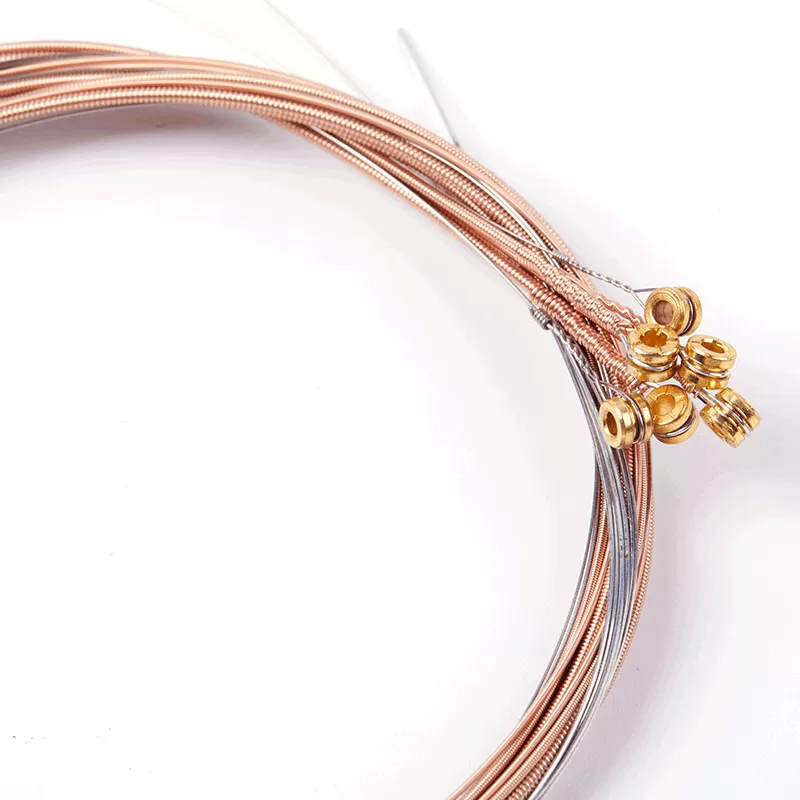
The core wire of round core strings is cylindrical, and their central core is in full contact with the outer wire. On the other hand, a hex core string's central core has a hexagonal shape, with six sides and corners. The outer wrap wire, during the manufacturing process, into the hexagon wire's six corners rather than making full contact with the core's entire surface due to its shape. At present, both shapes of cores are popular in the market. Some of their characteristics are as follows.

Tone


It's well known that maintaining intonation is essential for guitar playing. In general, hex core strings are more stable in tuning than round core strings. Because hex core strings can "grip" the outer wire more firmly than round core strings, it helps maintain the tension throughout the string and prevents them from being out of tune. Therefore, hex core is particularly suitable for blues players, which prefer to play a lot of glissando and vibrato(both have a large probability of pulling the strings out of tune).

Round core strings don't have as much grip as hex core strings. Therefore, in some cases, the tension in holding the core and wind wire is lost, resulting in a slightly stiff tone.


Flexibility


● People like playing soft music, such as folk, country music, etc.

● Players looking for string durability

People Suitable for Hex Core Strings

● Players who prefer strings with strong grip and stability

● People who don't mind changing strings frequently

Why Choose Alice String as Your Supplier

Founded in 1999, Alice Strings owns twelve expert production lines, five modern workshops, and sixteen lines of string processing. The materials and products of the company  thoroughly and rigorously tested in accordance with ISO9001:2015 standards.

Alice Strings is one of the most well-known manufacturers of musical instruments and accessories. We provide more than 2,000 products to satisfy the demands of music enthusiasts, such as classical guitar strings, acoustic guitar strings, electric guitar strings, acoustic bass strings.

If you need a professional supplier. Contact us!


Relate News

Acoustic Bass Strings

How to Choose the Right Acoustic Bass Strings: Materials, Construction, and Applications

Learn how to choose acoustic bass strings by core construction, wrap material, gauge, coating, application, and OEM supplier capabilities.

Alice bass strings

How Bass Strings Are Made: Inside the Manufacturing Process

Learn how bass strings are made, from material selection and precision winding to quality control and packaging, with insights into OEM manufacturing.
Custom Bass Strings Manufacturer

Custom Bass Strings Manufacturer: OEM & Private Label Bass String Solutions

Alice Strings is a professional custom bass strings manufacturer offering OEM and private label bass string solutions, including custom gauges, materials, packaging, and branding.
Nickel vs. Stainless Steel Bass Strings

Nickel vs. Stainless Steel Bass Strings: Which Should You Choose?

Compare nickel and stainless steel bass strings in terms of tone, feel, sustain, durability, slap performance, and playing styles. Learn which bass strings best suit your needs and discover custom OEM solutions from Alice Strings.
Guitar Accessories List

Guitar Accessories List: The Complete Guide for Every Guitar Player

Discover the complete guitar accessories list for beginners, professionals, retailers, and brands. Learn essential gear, buying tips, and OEM wholesale solutions.
Banjo Strings

Banjo Strings Types Explained: Materials, Gauges & How to Choose

Learn the different types of banjo strings, compare materials and gauges, and choose the best option for your playing style. OEM and wholesale banjo strings available from Alice Strings.
Ukulele Strings

Ukulele Strings Guide: Types, Materials, Sizes & How to Choose

Explore our ultimate ukulele strings guide covering materials (nylon/fluorocarbon), sizes, and High/Low G setups. Get flexible MOQ and OEM solutions from Alice.
Guitar String OEM

The Complete Guide to Guitar String OEM Manufacturing

a complete overview of OEM manufacturing for acoustic, electric, and classical guitar strings — covering materials, workflow, customization, packaging, MOQ, and quality standards
custom guitar picks manufacturer

Guitar Pick Materials Explained: Celluloid vs Nylon vs ABS (Which Is Best?)

Compare guitar pick materials including celluloid, nylon, and ABS. Learn tone, durability, and grip differences, plus OEM customization options for brands and distributors.
Flamenco Guitar Strings

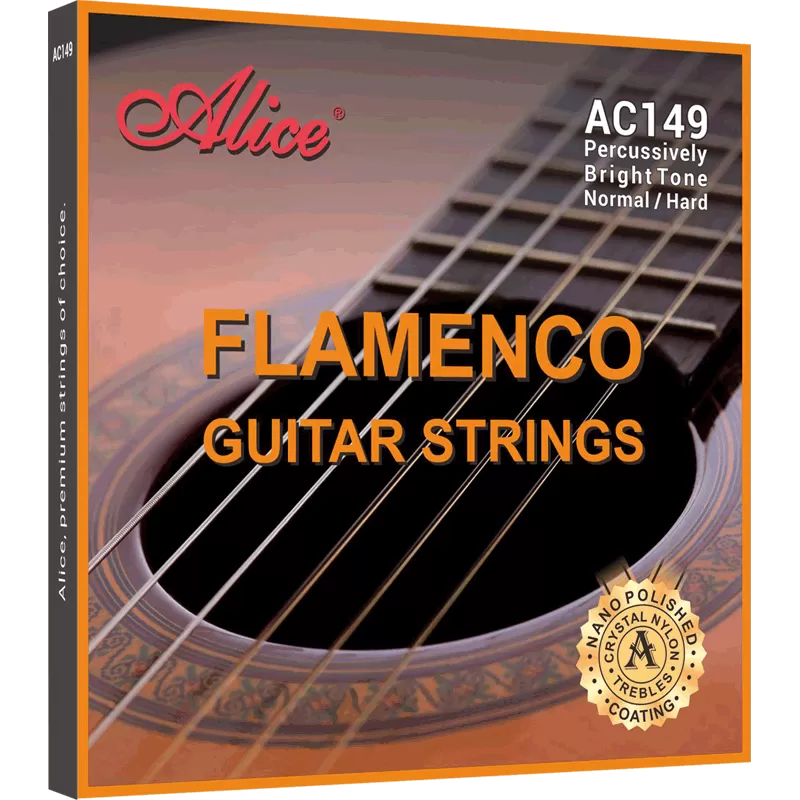
Flamenco Guitar Strings: Design and Performance Characteristics

This guide explains the design and performance characteristics of flamenco guitar strings, how they differ from classical strings, and why Alice Flamenco Guitar Strings are trusted by professionals and students alike.
Guitar Strings

Guitar Strings for Different Music Styles: Rock, Jazz, Classical

Choosing the right guitar strings is essential for achieving the best tone, playability, and expression for your preferred music style. Different genres place different demands on tone, feel, and string response. Understanding these differences helps players select strings that complement their playing technique and musical goals.
Alice-acoustic-guitar-string

Acoustic Guitar Strings Explained: Materials, Tone & Playability

Acoustic guitar strings play a crucial role in shaping tone, projection, and overall playing comfort. For acoustic instruments, string choice directly affects how the guitar responds to the player’s touch, from subtle fingerstyle dynamics to full strumming patterns. Understanding how different materials, gauges, and constructions influence sound helps players choose acoustic guitar strings that truly match their musical style, playing habits, and performance needs.
Leave A Message