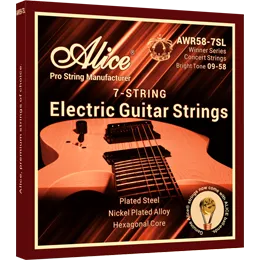
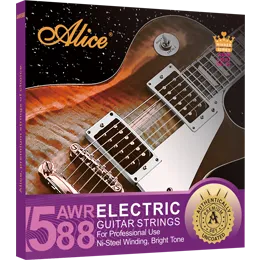
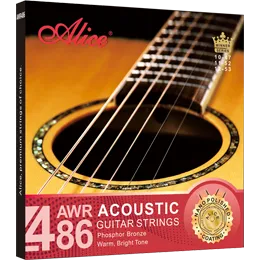
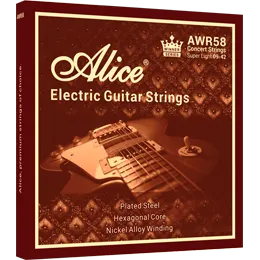
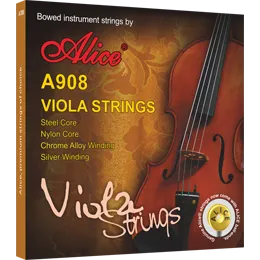
Taking care of your violin is crucial to keep it sounding its best. A well-maintained violin can last for many years, but a neglected violin will begin to show its age in a matter of years – and you can tell it from its most obvious and functional part – its strings. Alice violin strings are high-quality string that is made with durable materials, but they still need proper maintenance. Keeping your strings on the violin in top playing condition and sounding its best is not an easy task, and a string maintenance routine is definitely required.

The Significance of a Well-Maintained Violin and Alice Violin Strings
There are many points on why keeping your violin and its strings in nice condition is essential. Here are some of these reasons:
Stable Tone: A well-maintained violin will have a more stable tone. This is because the strings are kept in good condition and are at the correct tension.
Better Sound: If your Alice violin strings are well-maintained, they will produce better sound. Good-sounding violins are more enjoyable to play, which can help you practice more and improve your skills.
Longer Lifespan: Routine violin maintenance makes your violin less likely to need costly repairs or break down. Regular cleaning, polishing, and changing the strings when they become worn to increase the lifespan of your violin.
Respect: Taking care of your violin shows respect for the instrument, the people who made it, and your passion. By taking good care of your violin, you're ensuring that you can continue to enjoy playing it for many years to come.
5 Tips on Violin Strings Maintenence
As a violinist, you know your violin performs as excellently as its strings. Even when strings on a violin are not visibly frayed, they wear out with time due to constant use, air pollutants, and humidity. Here are five tips on violin and Alice violin string maintenance:
Clean the Dirt
Cleaning your Alice violin string is an essential task for preventing the build-up of dust and dirt. It is more crucial to clean it if you often use it. Follow the tips below to clean the dirt off of your string:
1. Use a soft, dry cloth to wipe down the string after each use.
2. If there is any built-up dirt, gently scrubbing it away with a slightly dampened cloth can solve the problem.
3. Dry the string completely before putting away your instrument.
4. You can also use a commercial violin cleaning solution to clean your strings, following the manufacturer's instructions.
5. When cleaning the fingerboard, be careful not to damage the delicate varnish. Only use a soft cloth and avoid using any abrasive or harsh cleaners.
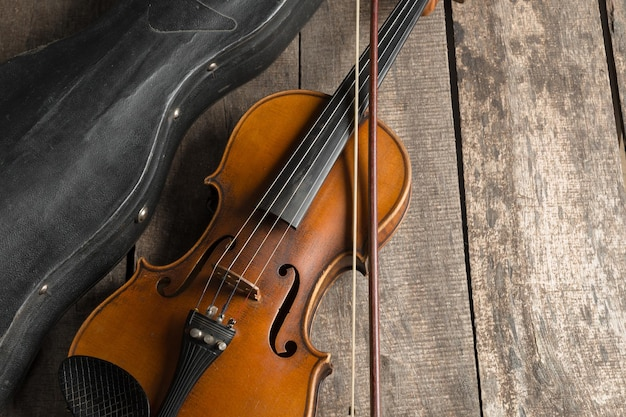
Choose a Case
Notice the following things when choosing a violin case:
Material: When choosing a violin case, it is essential to consider the type of wood your instrument is made of. With a tight budget, you can choose a violin case made of plastic or lower-protective wood. But you should be clear that these materials are less durable and protective than high-protective wood, fiberglass, carbon fiber, and thermoplastic.
Humidity Control: You should also consider the climate you live in. In a dry environment, your violin will be less likely to crack than in a humid climate. A hard case will prevent your violin from bumps and scrapes. A soft case will protect your instrument from moisture and temperature changes. Choose your violin case according to your needs and your environment.
Suspension & Protection: If you're a professional musician who travels often, you'll need a case that can withstand being thrown around by baggage handlers. A suspension case is ideal in this situation. These cases have internal straps that secure the violin, preventing it from moving around and getting damaged.
If you're not a professional musician or don't travel often, you might not need such a heavy-duty case. A hard case will provide adequate Protection for your instrument.
Built to Last: You should go with a well-constructed case that will stand up to years of use.
Keep It in Proper Temperatures and Humidity
It is crucial to have proper temperatures and humidity for your violin, which should be stored with proper temperature and humidity. The strings will become brittle and may break if it is too dry or too cold. If it is too humid, the violin’s neck may buckle and warp.
The ideal temperature for Alice is between 60 and 70 degrees Fahrenheit, and the perfect humidity level for your violin and also Alice violin strings is between 40 and 50%. If you live somewhere with higher humidity, you can use a dehumidifier to help keep the Alice violin string in good condition.
Be Careful When Changing Strings
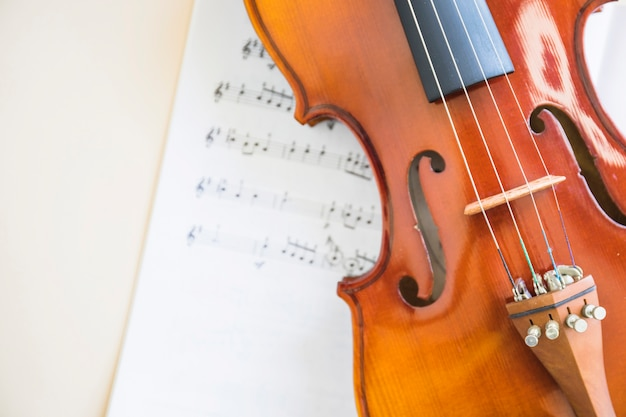
When changing the strings on your Alice violin, be careful not to damage the bridge or soundboard. Remove the old strings by tuning pegs, then unscrew them and carefully slide them off the bridge. If you are replacing all of the strings, your should do so one at a time so that the tension on the bridge is evenly distributed.
Start With Lighter Rosin
When it comes to rosining the violin bow, you can start with a light touch and then increase the pressure if needed. This will help to avoid over-rosining the bows, which can lead to a build-up of rosin on the bridge or soundpost, making the sound dull. The way to apply rosin on the violin bows can vary: some players prefer to use their fingers, while others use a soft cloth.
Importance of Changing Violin String Sets Regularly
As a violinist, you know that the violin’s tone depends mainly on the quality of your strings. That's why it's essential to change your string sets regularly - and to choose the right strings for your violin and playing style.
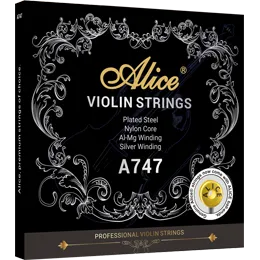
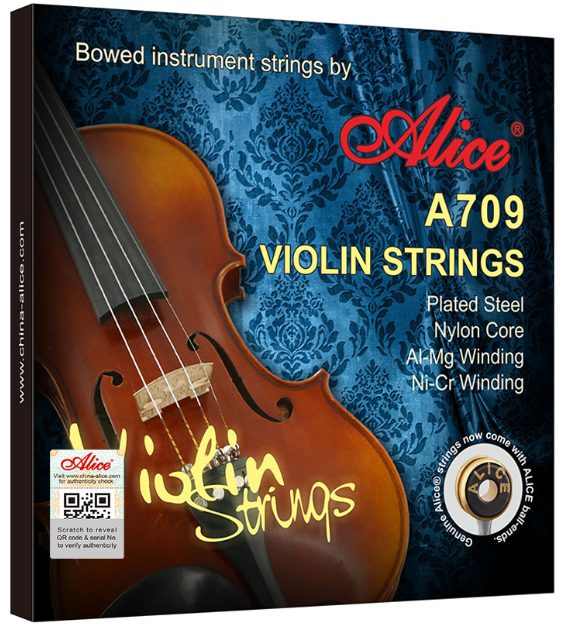
Alice A709 violin strings are great for professional guitarists, stage performers, and guitar tutors who want a warm, rich tone. They're designed to last longer, so they have the best nylon core and plated steel and are wound with Al-Mg or Ni-Cr alloy. You won't be disappointed! If you're looking for new violin strings, we recommend giving Alice A709 a try.
Conclusion
Alice is a professional string manufacturer known for its quality strings and excellent customer service. We have a reputation for making high-quality strings that last longer and sound great. Alice offers a wide range of strings, including electric, acoustic, and classical, as well as custom-made strings, so our customers can be sure they're getting the best product from us.