
EN
Alice Strings News

News

When to Replace Cello Strings

Release time: 2023-03-06
Views: 1769
Share : icon-n1 icon-n2 icon-n3

Replacing strings is a fundamental skill that cello beginners need to learn. When cello strings are appropriately replaced, transitions between phrases can be made smoothly and without various noises. Frayed strings can lead to out-of-tune playing, causing great frustration and displeasure for the player. This article looks at the causes of cello string wear and provides steps to replace cello strings.



Cause of cello string wear

Signs of worn strings include metal falling apart, rust, exposed cores, discoloration, or complete breakage of the strings in the middle. A good understanding of the condition of the strings will help the cello player better check the cello strings. In general, string wear may be due to one of the following conditions:


- Over-tightening

One cause of string fraying that many cellists have is over-tightening the strings. Many players tune the cello string incorrectly when they tune it before playing, which causes a string to become over-tuned and eventually break in the pegbox.


- Contact with oil hands

The condition of the player’s skin can significantly affect the strings. Dirt, sweat, and oils from the player’s hands can corrode the outer metal rings of the cello strings. To avoid this, the cello players must wash their hands simply before playing the cello and wipe the strings thoroughly after each playing session before putting the cello back in the case.


- Incorrect installation

Cello strings can also break if installed incorrectly on the pegs, causing them to rub against each other unnecessarily. For example, if the cello strings come straight out of one side of the pegbox, this can cause the player to tune to one side instead of being evenly centered. Also, this can damage the outer metal layer of the strings and cause fraying and cracking.


- Material

Cello strings are made from various materials, and some string materials wear out faster than others. Cello strings made from guts, for example, have an excellent sound but do not last very long, while steel strings take some time for cello players to get used to, but the type of string is relatively durable.


- The frequency of playing cello

The frequency of cello playing greatly impacts the wear and tear of the strings and when they need to be replaced. For professional cello players, it is general to change new strings every 3 to 4 months. For those who do not play the cello often, strings can be replaced every 6 to 7 months.


Steps to replace cello strings

The method for replacing cello strings is straightforward. The player must replace each string in the appropriate order on the peg. The strings need to be stretched as straight as possible to prevent them from loosening quickly. After the strings are inserted into the shaft holes, the player must twist the strings in and out. Note that when replacing the strings, the player should ensure that the strings are not wound crooked and staggered. Otherwise, the strings may interfere with each other and affect the cello’s pronunciation.


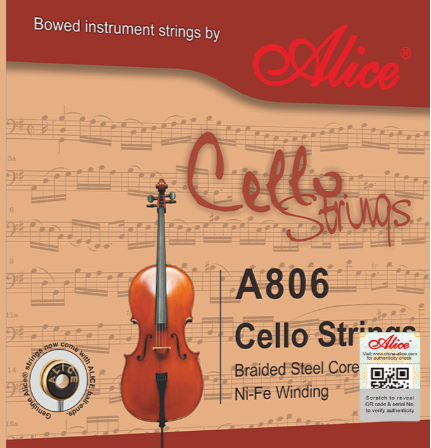
Alicestrings: A806 Cello String Set

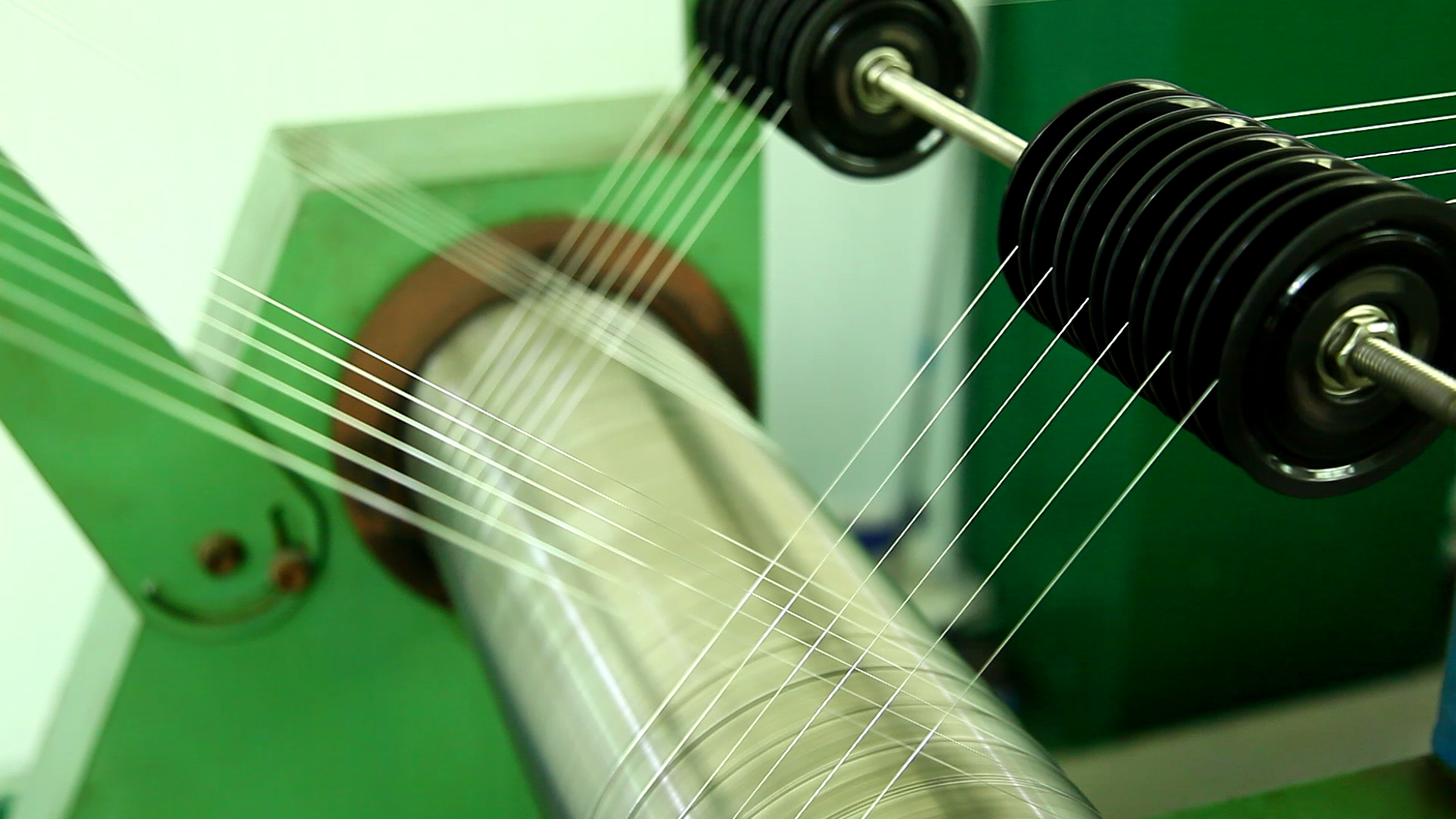
Cello strings need to be replaced regularly, so choosing the right strings is very important. Guangzhou Romance Musical Instrument Co., Ltd. was established in 1999 and had 23 years of experience in the R&D and manufacturing of strings. Alicestrings pays close attention to quality control throughout the string manufacturing process. With the full implementation of the ISO9001:2015 standard, the entire production cycle of strings is closely monitored to ensure they meet the standard. We rarely see faulty strings make it through rigorous quality controls. Alicestrings’ A806 Cello String Set is made of a braided steel core. This product has a bright sound and a comfortable feel and is suitable for cello beginners or professional players to practice or perform.

Contact us if you are interested in Alicestrings cello strings!


Related articles:

- Do Heavier Strings Sound Better?

- Nylon Strings vs. Steel Strings

- How a Capo Can Help Guitar Beginners

Relate News

Guitar Strings

How to Clean Guitar Strings Without Damaging Them

Guitar strings are the heart of your instrument’s sound. They not only produce tone but also directly influence playability and feel. Over time, however, strings can accumulate dirt, sweat, oils, and other debris that dull their tone and shorten their lifespan. Cleaning your guitar strings regularly is essential for maintaining consistent performance and prolonging their life. In this guide, we’ll explore safe and effective ways to clean guitar strings without damaging them, ensuring that your guitar always sounds its best.
Guitar String

Common Guitar String Problems and How to Fix Them

Whether you’re a beginner learning your first chords or a touring professional playing night after night, guitar strings are the heart of your tone. But even the best strings can run into problems — from tuning instability to premature breakage. Understanding the most common guitar string issues and knowing how to fix them can keep your instrument sounding its best and help you avoid unnecessary frustration.
guitar strings

Why Your Guitar Strings Keep Breaking (and How to Prevent It)

Discover why guitar strings break and how to prevent it. Learn expert tips from Alice, a leading guitar strings manufacturer and OEM provider.
Acoustic Guitar String

A Beginner’s Guide to Acoustic Guitar Strings

(Everything You Need to Know Before Changing Your First Set) When you first start playing the acoustic guitar, strings may seem like a small detail — but in reality, they’re one of the most critical factors shaping your tone, comfort, and overall playing experience. Choosing the right acoustic guitar strings can make your instrument sound brighter, fuller, and more expressive, while also helping you develop proper technique.
Alice guitar accessories

How to Source High-Quality Guitar Strings: A Complete Buyer’s Guide

As one of the world’s leading guitar strings manufacturer and guitar accessories suppliers, Alice combines decades of expertise with cutting-edge technology to produce strings that meet the highest professional standards. From classical nylon to electric steel and acoustic bronze, Alice Guitar Strings deliver unmatched tone, durability, and playability for musicians of all levels.
acoustic guitar string types

Phosphor Bronze Strings vs. 80/20 Bronze Strings: Which Should You Choose?

When it comes to acoustic guitar strings, two of the most popular choices are phosphor bronze and 80/20 bronze. Both are widely used by guitarists around the world, but they differ in composition, tonal characteristics, durability, and playing applications.
Alice ACU108 Nylon Guitalele Strings

What is the Difference Between Guitar Strings and Guitalele Strings?

While the guitar and guitalele share many similarities, their strings are designed for different purposes. Guitar strings come in nylon, steel, or coated varieties and provide a wide tonal palette suitable for diverse genres. Guitalele strings, usually nylon-based, are tailored for higher tuning, lower tension, and the hybrid sound of this compact instrument.
Guitar Capo

What Is a Guitar Capo Used For?

A guitar capo (pronounced kay-poh) is a small clamp-like device that attaches to the neck of a guitar. Its main purpose is to shorten the playable length of the strings, effectively raising the pitch of the open strings. In simple terms, it acts like a movable nut.
Guitar String gauge

How to Choose the Right Guitar String Gauge: Light, Medium, or Heavy?

One of the most important yet often overlooked aspects of your guitar’s sound and playability is the string gauge—in simple terms, the thickness of the strings. Whether you’re a beginner or a seasoned player, choosing between light, medium, or heavy gauge strings can greatly influence your tone, playing comfort, and technique.
Acoustic Guitar Strings

What Strings Are Best for an Acoustic Guitar?

When it comes to acoustic guitars, the strings you choose can have a dramatic impact on your tone, playability, and overall playing experience. Whether you're a beginner or a professional, understanding the types of acoustic guitar strings available and how they affect your sound is crucial. With so many brands, materials, and gauges to choose from, selecting the best strings can seem overwhelming.
string cutter

How to Change Acoustic Guitar Strings: A Step-by-Step Guide

Whether you're a beginner learning your first chords or a seasoned player preparing for your next gig, changing your acoustic guitar strings is a fundamental skill every guitarist should master. Over time, strings lose their brightness, become harder to tune, and even break. Fresh strings not only improve your guitar’s tone but also enhance your playing experience. This guide walks you through everything you need to know about changing acoustic guitar strings efficiently and safely.
Acoustic Guitar Strings

Electric Guitar Strings vs Acoustic Guitar Strings Difference, and Can Swap Them?

Guitar strings may all look similar to the untrained eye, but the difference between electric and acoustic guitar strings runs deep—both in terms of materials and musical function.
Leave A Message