

Bass Strings vs Guitar Strings: Key Differences Explained
Bass strings vs guitar strings: learn the key differences in thickness, scale length, tension, construction, tone, and compatibility, and find out if they can be used interchangeably.




Bass strings play a crucial role in shaping your instrument's tone, feel, and overall performance. Whether you're replacing your first set of strings or searching for the perfect sound for live performances or studio recording, choosing the right bass strings can make a significant difference.
With so many options available—including different materials, gauges, winding types, and scale lengths—it can be difficult to know where to start. The ideal strings depend on your instrument, musical style, playing technique, and tonal preferences.
This complete buying guide explains everything you need to know about choosing bass strings. You'll learn how different string types affect sound and playability, discover which strings are best for various genres and playing styles, and find practical tips to help you make an informed purchasing decision.
Whether you're a beginner, an experienced bassist, a music retailer, or a brand looking for custom bass strings, this guide will help you choose the right solution.
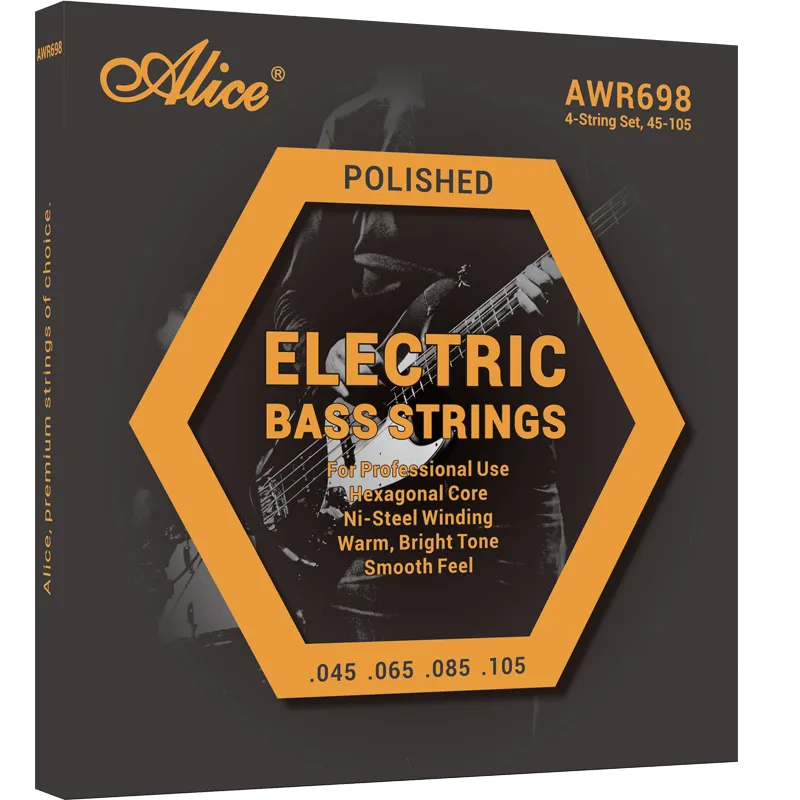
Choosing the right bass strings depends on five key factors: material, gauge, winding type, scale length, and your playing style. For most beginners, nickel-plated roundwound strings in a medium gauge (.045–.105) offer the best balance of tone, comfort, durability, and versatility. Players seeking brighter tones may prefer stainless steel strings, while those pursuing vintage warmth often choose flatwound or pure nickel strings.
· Why Bass Strings Matter
· Choose the Right String Material
· Select the Correct String Gauge
· Roundwound vs. Flatwound Bass Strings
· Bass String Materials Comparison
· Choose the Correct Scale Length
· Match Strings to Your Playing Style
· Consider the Number of Strings
· How Often Should You Replace Bass Strings?
· Which Bass Strings Should You Choose?
· Common Mistakes When Choosing Bass Strings
· Custom Bass Strings: OEM & Private Label Solutions
· Frequently Asked Questions
· Conclusion
· Why Choose Alice Strings?
Bass strings are much thicker than guitar strings and operate under significantly higher tension. Their construction directly influences how your bass sounds, feels, and responds while playing.
Even changing to a different material or gauge can noticeably alter your instrument's character.
The right bass strings can improve:
· Tone (bright, warm, deep, punchy, or vintage)
· Playing comfort
· Sustain
· Attack and articulation
· Tuning stability
· String lifespan
· Finger noise
· Slap bass performance
· Overall playing experience
For this reason, many professional bassists experiment with different string types until they find the combination that best matches their musical style.
The material used in bass strings has the greatest influence on tone, brightness, playing feel, and durability. Understanding the characteristics of each material will help you select strings that complement both your bass and your playing style.
Nickel-plated steel is the most popular choice among bass players because it offers an excellent balance between warmth and brightness.
· Balanced frequency response
· Warm low end
· Smooth high frequencies
· Strong midrange
· Natural, versatile sound
· Rock
· Pop
· Blues
· Country
· Worship music
· General-purpose playing
· Comfortable playing feel
· Reduced finger noise
· Moderate brightness
· Suitable for fingerstyle, pick playing, and slap
· Excellent all-around performance
Recommended for: Beginners and players looking for a versatile string that performs well across multiple genres.
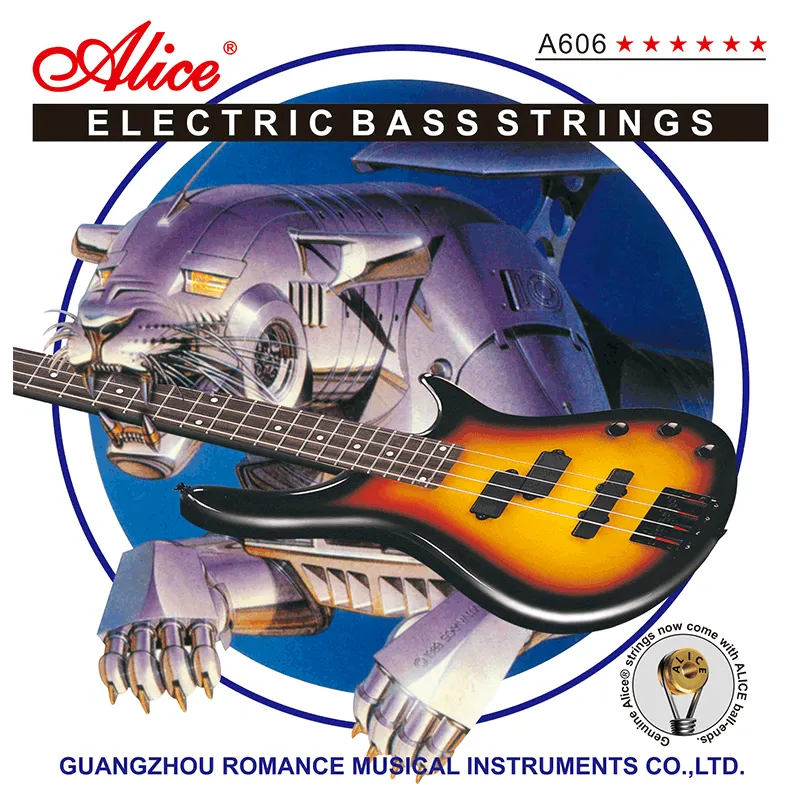
Stainless steel strings produce a brighter, more aggressive sound with exceptional clarity and attack.
· Bright and crisp
· Strong attack
· Excellent note definition
· Extended high frequencies
· Powerful harmonics
· Slap bass
· Funk
· Metal
· Progressive rock
· Technical playing
· Outstanding articulation
· Excellent sustain
· Highly responsive
· Maintains brightness longer than many traditional strings
· Rougher texture
· Increased finger noise
· Can cause more fret wear over time
· May sound too bright for vintage styles
Recommended for: Bassists who want maximum clarity, punch, and cutting power.
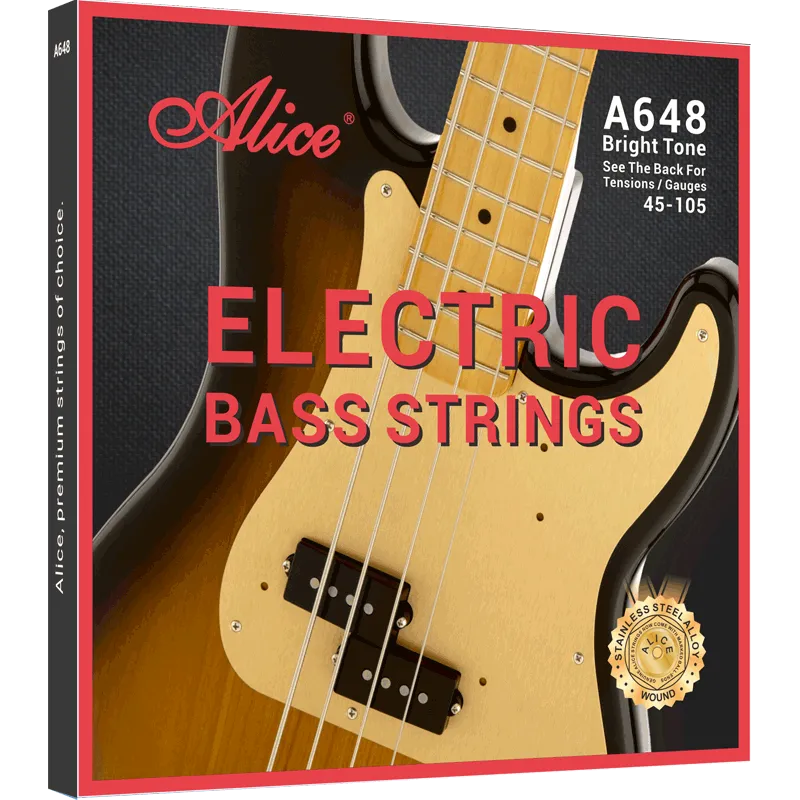
Pure nickel strings deliver a classic vintage sound that has remained popular for decades.
· Warm
· Rounded
· Smooth
· Vintage-inspired
· Less aggressive high frequencies
· Jazz
· Blues
· Soul
· Classic rock
· Vintage recordings
· Smooth playing feel
· Warm, musical tone
· Reduced string noise
· Ideal for traditional bass sounds
Recommended for: Players who prefer a mellow, old-school bass tone.
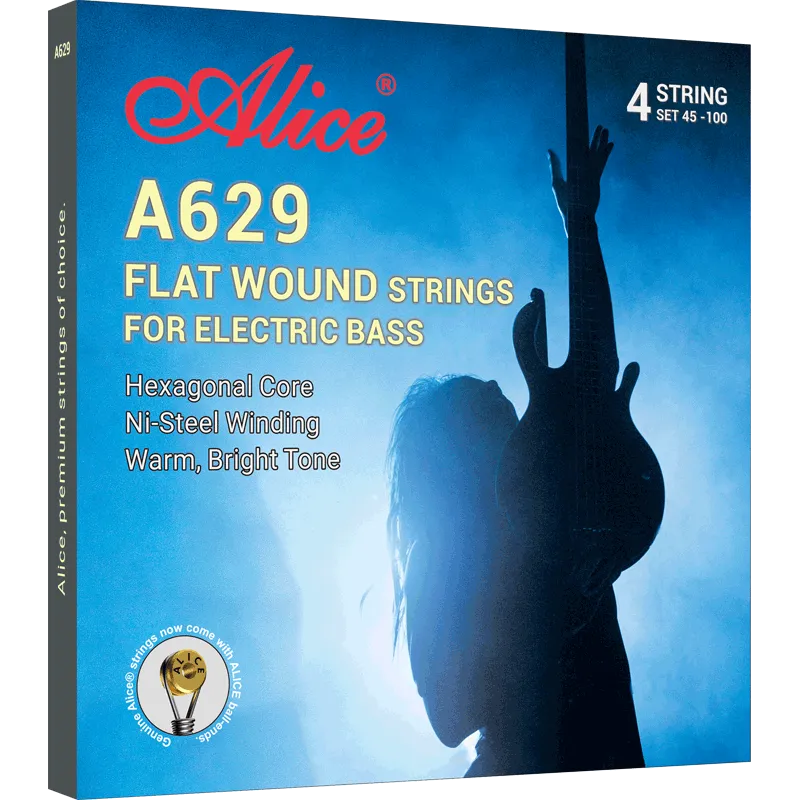
Coated bass strings feature a thin polymer coating that protects the metal from moisture, sweat, dirt, and corrosion.
· Longer string lifespan
· More consistent tone over time
· Better corrosion resistance
· Less maintenance
· Reduced oxidation
Although coated strings typically cost more than standard strings, many players find that their extended lifespan makes them a worthwhile investment.
Recommended for: Touring musicians, frequent performers, and players living in humid climates.
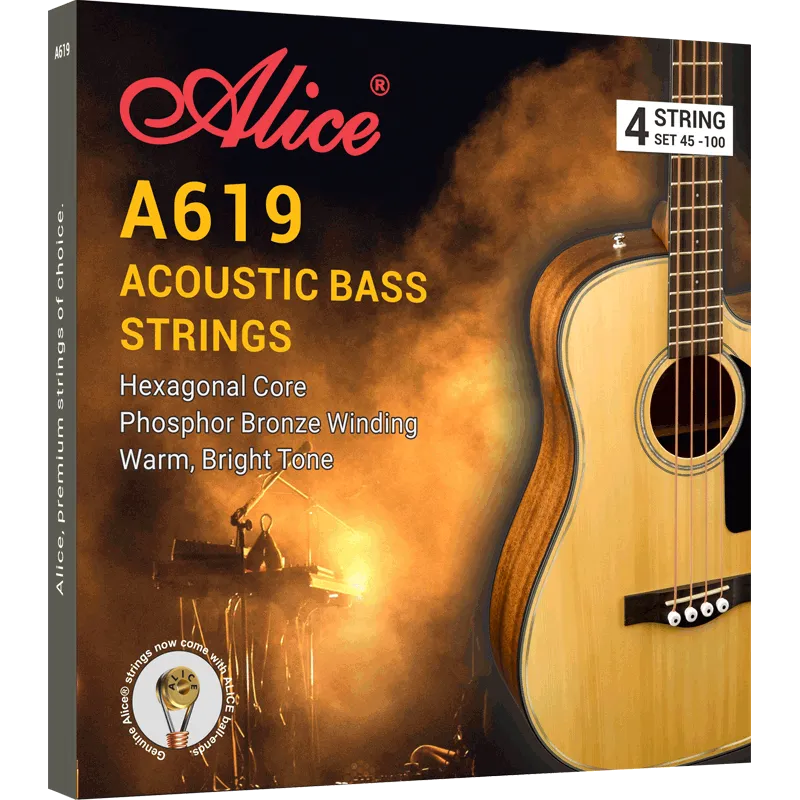
Material | Tone | Feel | Durability | Best For |
Nickel-Plated Steel | Balanced and versatile | Smooth | ★★★★☆ | Most players |
Stainless Steel | Bright and aggressive | Firm | ★★★★☆ | Slap, funk, metal |
Pure Nickel | Warm and vintage | Soft | ★★★☆☆ | Jazz, blues, classic rock |
Coated Strings | Balanced | Smooth | ★★★★★ | Long-lasting performance |
String gauge refers to the thickness of the strings. It affects string tension, tone, sustain, and playing comfort.
Choosing the correct gauge is just as important as selecting the right material.
· .040–.095
· Lower tension
· Easier to fret
· Faster playing
· Easier bending
· Bright, responsive tone
· Beginners
· Fingerstyle players
· Fast technical playing
· Players with a lighter touch
· Comfortable playability
· Reduced finger fatigue
· Quick response
· Slightly less low-end power
· Reduced sustain compared with heavier gauges
· .045–.105
Medium gauge is considered the industry standard and offers the best balance of playability and tone.
· Balanced tension
· Strong low frequencies
· Comfortable feel
· Excellent sustain
· Versatile performance
· Beginners
· Intermediate players
· Professional musicians
· Most musical styles
· Excellent overall balance
· Works well with fingerstyle, slap, and pick playing
· Suitable for nearly all genres
Recommended for most bass players.
· .050–.110
Heavy gauge strings produce a fuller sound with increased tension.
· Higher tension
· Bigger low-end response
· Longer sustain
· Powerful attack
· Increased tuning stability
· Drop tunings
· Metal
· Hard rock
· Aggressive playing styles
· Stronger bass response
· Excellent sustain
· Stable tuning under heavy playing
· Requires more finger strength
· May need a professional bass setup after switching gauges
Gauge | Tension | Tone | Playability | Recommended For |
Light (.040–.095) | Low | Bright | Excellent | Beginners, fast playing |
Medium (.045–.105) | Medium | Balanced | Excellent | Most bass players |
Heavy (.050–.110) | High | Deep & Powerful | Moderate | Metal, drop tuning, aggressive playing |
One of the most important decisions when choosing bass strings is whether to use roundwound or flatwound strings. While both are widely used, they offer very different playing experiences and tonal characteristics.
If you're unsure which type is right for you, the following comparison can help.
Feature | Roundwound | Flatwound |
Brightness | High | Low |
Sustain | Long | Moderate |
Attack | Sharp | Smooth |
Finger Noise | More noticeable | Minimal |
Feel | Textured | Smooth |
Slap Bass | Excellent | Limited |
Vintage Tone | Good | Excellent |
Most Suitable For | Rock, Pop, Funk, Metal | Jazz, Blues, Soul, Motown |
Roundwound strings are the most widely used bass strings today. Their textured outer winding creates a bright, lively sound with strong attack and extended sustain.
They are especially popular among players who need versatility across multiple genres.
Advantages
· Bright, modern tone
· Excellent clarity and articulation
· Long sustain
· Powerful harmonics
· Ideal for slap bass techniques
Best For
· Rock
· Pop
· Funk
· Metal
· Gospel
· Contemporary worship music
Recommended for: Players looking for maximum versatility and a modern bass sound.
Flatwound strings have a smooth, polished outer surface that produces a warm, mellow, and vintage-inspired tone.
Compared with roundwounds, they generate less finger noise and offer an exceptionally comfortable playing experience.
Advantages
· Warm, smooth sound
· Reduced finger noise
· Comfortable feel
· Strong fundamental notes
· Excellent tuning stability
Best For
· Jazz
· Blues
· Soul
· Motown
· Vintage rock
· Studio recording
Recommended for: Bassists seeking a classic, smooth, and vintage tone.
Choose roundwound strings if you:
· Want bright and punchy tones
· Frequently play slap bass
· Need versatility across different genres
· Prefer strong harmonics and sustain
Choose flatwound strings if you:
· Prefer warm, vintage tones
· Play jazz, blues, or soul
· Want minimal finger noise
· Enjoy a smoother playing feel
Selecting the correct scale length is just as important as choosing the right material or gauge. Strings designed for the wrong scale length may cause poor tuning stability, improper tension, or winding issues around the tuning posts.
The scale length refers to the vibrating length of the string between the nut and the bridge.
Scale Type | Length | Typical Instruments |
Short Scale | 30" | Compact basses, beginner basses |
Medium Scale | 32" | Selected vintage and specialty models |
Long Scale | 34" | Most standard bass guitars |
Extra Long Scale | 35" or longer | Extended-range and multi-scale basses |
Before purchasing new strings, always check your bass manufacturer's specifications to ensure compatibility.
Tip: If you own a five-string, six-string, or multi-scale bass, make sure the strings are specifically designed for your instrument.
Different playing techniques benefit from different string characteristics. Choosing strings that match your playing style will improve both comfort and tone.
Recommended
· Nickel-plated steel
· Medium gauge
· Roundwound
Produces a balanced tone with comfortable playability and excellent versatility.
Recommended
· Stainless steel
· Light to medium gauge
· Roundwound
Provides:
· Bright pops
· Tight low frequencies
· Excellent articulation
· Fast response
Ideal for funk, gospel, and modern pop.
Recommended
· Nickel-plated steel or stainless steel
· Medium gauge
Offers:
· Strong attack
· Clear note definition
· Excellent consistency
Suitable for rock, punk, and alternative music.
Recommended
· Flatwound
· Pure nickel
· Medium gauge
Creates:
· Warm low end
· Smooth attack
· Vintage character
· Minimal string noise
Recommended
· Stainless steel
· Heavy gauge
Provides:
· Powerful low-end response
· Higher string tension
· Better tuning stability
· Aggressive attack
Ideal for heavy rock and modern metal.
Bass strings are manufactured for different instrument configurations. Always choose a set designed specifically for your bass.
Available options include:
· 4-string bass
· 5-string bass
· 6-string bass
· Multi-scale bass
· Extended-range bass
Using the wrong string set may result in improper tension, poor intonation, or installation difficulties.
If you're replacing strings on an extended-range or fan-fret bass, verify both the scale length and string compatibility before purchasing.
Bass strings gradually lose brightness and responsiveness as they accumulate sweat, dirt, and oxidation. Replacing them at the appropriate time helps maintain consistent tone and tuning stability.
Playing Frequency | Suggested Replacement |
Daily professional use | Every 1–2 months |
Regular practice | Every 3–4 months |
Casual playing | Every 6–12 months |
Coated strings | Typically last significantly longer |
Replace your strings if you notice:
· Loss of brightness
· Poor tuning stability
· Rust or discoloration
· Reduced sustain
· Rough playing feel
· Intonation issues
· Visible wear or corrosion
Cleaning your strings after each playing session can help extend their lifespan and maintain better performance.
If you're still unsure which bass strings best suit your needs, use the following guide as a quick reference.
If You Want To... | Recommended Bass Strings |
Learn bass | Nickel-plated steel, medium gauge, roundwound |
Play multiple genres | Nickel-plated steel (.045–.105) |
Play slap bass | Stainless steel, light to medium gauge |
Achieve vintage tone | Flatwound, pure nickel |
Play metal or use drop tunings | Stainless steel, heavy gauge |
Reduce maintenance | Coated bass strings |
Maximize versatility | Nickel-plated roundwound strings |
For most players, nickel-plated roundwound strings in a medium gauge (.045–.105) remain the best all-around choice thanks to their balanced tone, comfortable feel, and versatility.
Even experienced bass players occasionally select the wrong strings. Avoiding these common mistakes can save you time, money, and frustration.
Low-cost strings may seem attractive, but they often lose tone quickly and require more frequent replacement. Consider overall performance, durability, and value rather than price alone.
Installing strings designed for the wrong scale length can result in poor tension, unstable tuning, or winding problems at the tuning machines.
Always verify your bass scale before purchasing replacement strings.
Changing from a light gauge to a heavy gauge significantly increases string tension.
Without adjusting your bass setup, this may affect:
· Neck relief
· String action
· Intonation
· Overall playability
A brand-new string often sounds much brighter than older strings. Replacing the entire set usually provides more balanced tone and consistent performance.
Stainless steel strings deliver excellent brightness and attack, but they may sound too aggressive for players seeking a vintage sound.
If you prefer a warmer, smoother tone, consider nickel-plated or pure nickel strings instead.
While choosing the right bass strings is important for musicians, many music brands, distributors, wholesalers, and retailers have another priority—developing products that stand out in a competitive market.
Custom bass strings allow brands to differentiate themselves through exclusive specifications, packaging, and branding while meeting the preferences of their target customers.
Whether you're launching a new brand or expanding an existing product line, customized bass strings can help strengthen your market presence and create additional value for your customers.
Custom bass strings provide greater flexibility than standard off-the-shelf products. Instead of offering the same specifications as every other brand, you can develop strings tailored to your market.
Benefits include:
· Unique tone and playing feel
· Customized gauges and string tension
· Product differentiation
· Consistent quality across production batches
· Professional retail packaging
· Stronger brand recognition
· Better positioning for premium markets
For distributors and private label brands, custom strings can become a key competitive advantage.
At Alice Strings, we offer comprehensive OEM and ODM manufacturing services for customers worldwide.
Our customization options include:
· Nickel-plated steel, stainless steel, pure nickel, and coated strings
· Roundwound and flatwound construction
· Custom gauges and string tension
· 4-string, 5-string, and 6-string bass string sets
· Long-scale and extra-long-scale options
· Colored ball ends
· Customized envelopes and retail packaging
· Private label branding
· Custom logos and artwork
· Barcode and retail-ready packaging
Whether you need standard production or a fully customized solution, our experienced engineering and production teams work closely with you to ensure reliable quality and consistent performance.
Choosing the right manufacturing partner is just as important as choosing the right product.
A reliable bass string manufacturer should provide:
· Stable product quality
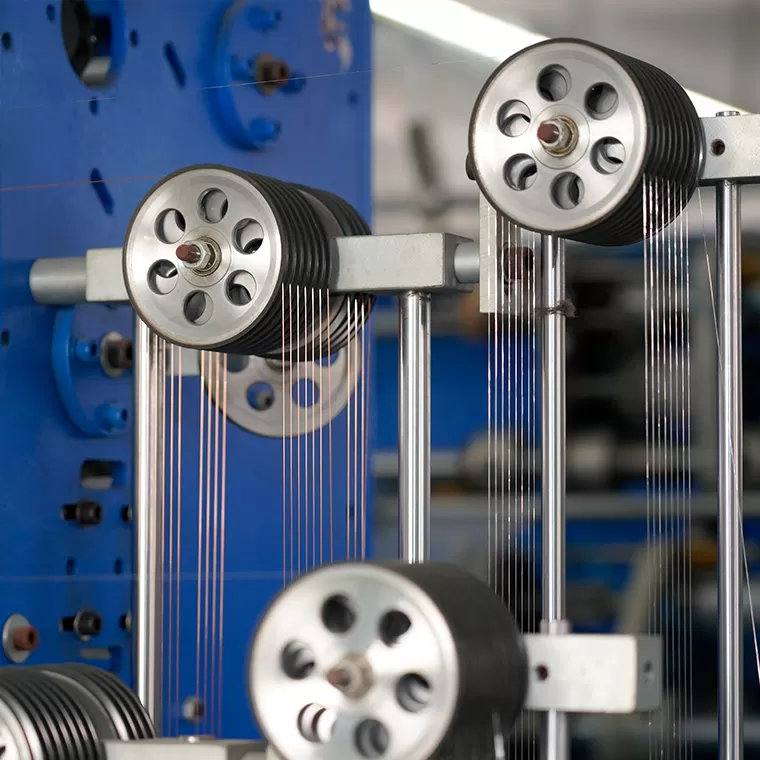
· Modern manufacturing facilities
· Flexible OEM and ODM capabilities
· Strict quality control
· Competitive lead times
· International export experience
· Responsive technical and sales support
With more than two decades of manufacturing experience, Alice Strings has built long-term partnerships with distributors, music brands, wholesalers, and retailers in over 100 countries.
Whether you're sourcing standard bass strings or developing a private label product line, our team can provide professional manufacturing solutions tailored to your business.
For most beginners, a medium gauge (.045–.105) set is the ideal starting point. It provides an excellent balance of comfort, tone, durability, and versatility for a wide variety of musical styles.
Not necessarily. Stainless steel strings produce a brighter, more aggressive tone with greater clarity and attack, while nickel-plated strings deliver a warmer, smoother, and more balanced sound. The better choice depends on your playing style and tonal preference.
Flatwound strings have a smooth surface that reduces finger noise and feels comfortable under the fingers. Although they often have slightly higher tension, many players appreciate their warm tone and smooth playing experience.
For many musicians, yes. Coated bass strings resist corrosion, maintain their tone for longer, and require less frequent replacement, making them a cost-effective choice over time.
Traditional bass strings typically last one to six months, depending on playing frequency, playing conditions, and maintenance. Coated strings generally last significantly longer.
No. Guitar strings are designed for different scale lengths, string tension, and tuning. Always use strings specifically designed for your bass guitar to ensure proper performance and avoid damaging your instrument.
Choosing the right bass strings isn't simply about buying a new set of strings—it's about finding the combination that best matches your instrument, musical style, and playing technique.
By understanding the differences in materials, gauges, winding types, and scale lengths, you can select strings that improve tone, playability, tuning stability, and overall performance.
For most players, nickel-plated roundwound strings in a medium gauge (.045–.105) provide the best all-around balance of versatility and sound. However, every bassist has unique preferences, so experimenting with different string types is often the best way to discover your ideal tone.
Whether you're a beginner choosing your first replacement strings, an experienced performer refining your sound, or a business searching for reliable OEM manufacturing, investing in high-quality bass strings is one of the simplest ways to enhance both performance and playing enjoyment.
With over 20 years of manufacturing experience, Alice Strings is a trusted manufacturer of guitar strings, bass strings, violin strings, ukulele strings, and a comprehensive range of musical instrument accessories.
Our products are exported to more than 100 countries, serving musicians, distributors, wholesalers, retailers, and international brands worldwide.
In addition to high-quality standard bass strings, we offer flexible OEM and ODM solutions, including:
· Custom materials and winding types
· Custom gauges and string configurations
· Private label manufacturing
· Customized packaging and branding
· Retail-ready product development
· Stable production capacity and strict quality control
Whether you're looking for dependable products under the Alice® brand or planning to develop your own private label bass strings, our experienced team is ready to support your business with reliable manufacturing and professional service.
Contact Alice Strings today to discuss your custom bass string project or request product samples.
· Bass Strings vs Guitar Strings
· Roundwound vs Flatwound Bass Strings
· How to Choose Bass String Gauge
· Nickel-Plated vs Stainless Steel Bass Strings
· How Long Do Bass Strings Last?
· Custom Bass Strings Manufacturer: OEM & Private Label Bass String Solutions
· How Bass Strings Are Made: Inside the Manufacturing Process